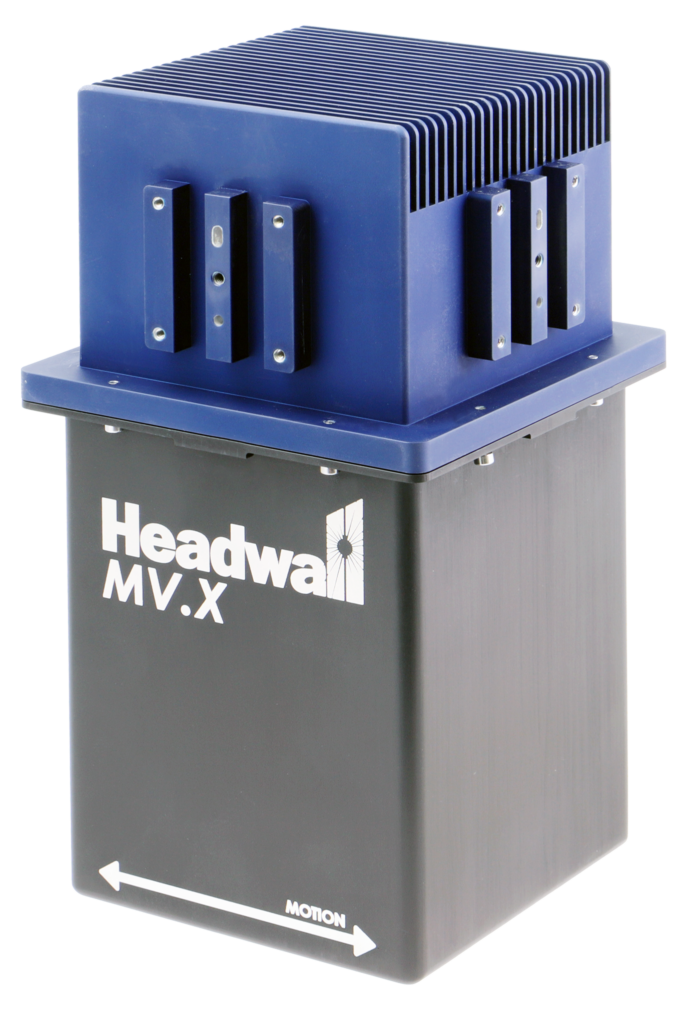
Portable analytical Solutions logo
Malvern logo

Malvern Panalytical Scientific Award 2023

Our 2023 Scientific Award is now open – and there’s a €5,000 prize for the best entry.
Entries close August 31st – you’ve still got time!

A Tale of Two Spectra: The Difference Between NIR and FTIR

A Tale of Two Spectra: The Difference Between NIR and FTIR

Near-Infrared Spectroscopy (NIR) and Fourier Transform Infrared Spectroscopy (FTIR) are two molecular analysis technologies that are used in a wide range of industries – especially mining.

While NIR is a well-known and well-established technology, FTIR is often considered the new kid on the block, and you may not know much about it.

So, which one is the best for your needs?

Read on to learn the difference between NIR and FTIR.

What is NIR?

Near-Infrared Spectroscopy (NIR) is a non-destructive analytical technique that identifies the molecular composition of a sample.

When the light in the near-infrared region is applied to the sample, the amount of light absorbed or reflected at different wavelengths can be measured. This can be used to identify the presence and abundance of different elements.

What is FTIR?

Fourier Transform Infrared Spectroscopy (FTIR) is also a technique used to identify and analyse the molecular structure of a material.

Unlike NIR, FTIR applies fully infrared light to the sample and measures how much light is absorbed in different wavelengths. Using the Fourier Transform method, it can analyse the entire spectra simultaneously, improving the speed and scalability of its analysis.

What’s the Difference Between NIR and FTIR?

The main difference between NIR and FTIR is the spectral range they use for analysis. NIR uses light in the near-infrared region (approximately 350-2500 nm), while FTIR uses light in the mid-infrared region (approximately 4000-400 cm^-1).

This difference in wavelength range affects the types of samples that can be analysed. This means NIR and FTIR aren’t like-for-like substitutes, but are instead complementary.

Benefits of NIR

NIR is best used for testing a larger sample size, where compositions aren’t exceedingly complex. This makes NIR a preferred method for quantitative analysis, where the aim is to identify the main components of a sample range quickly.

NIR analysers are also able to analyse all three states of matter: solids, liquids and gases. This means along with identifying the composition of a sample, it can also detect the moisture content and air pockets which can effect what the sample is worth and how it may need to be processed.

It’s ability to analyse wide ranges of samples across different states of matter makes it ideally suited to greenfield mining exploration.

Benefits of FTIR

The biggest strength of FTIR is it can assess an impressively wide spectra which lets it identify trace elements like chemicals and other contaminants.

Along with trace elements, it can also provide far more detailed breakdowns of sample composition because it can examine the entire spectra simultaneously, rather than having to examine individual wavelengths.

The ability to assess the composition of samples to such a precise level opens up a lot of opportunities in the mining industry. Not only does it shed more light on the true value of a sample, it can also reveal the transformation history of the minerals in the area.

The other benefit of FTIR is the speed of its analysis. The Fourier Transform method means the entire spectrum is analysed as a whole when using FTIR Spectrometers, saving time from having to measure singular wavelengths.

NIR vs FTIR: Which is Better?

In this case, it isn’t ‘which is better’, but rather which do you need? Either NIR or FTIR could be more suitable depending on the application.

For analysis of larger sample sizes, NIR is likely to be more suitable. However, for a more in-depth breakdown of sample composition, FTIR may be your preferred solution.

The TerraSpec 4 Analytical Spectral Device
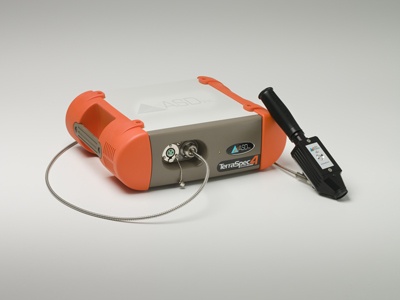
A Tale of Two Spectra: The Difference Between NIR and FTIR 2

The TerraSpec 4 Analytical Spectral Device is a portable, full-range NIR spectrometer.

It delivers highly accurate results in mere seconds, all without damaging the sample. Highly regarded among top geologists worldwide, its ease of use and rugged reliability means your operators will have the ability to take accurate readings in the field.

It also comes with several incredible features, including:

  • High-res and standard-res options
  • Non-destructive, reliable analysis
  • Portable and built for endurance
  • Unparalleled alteration mineral analysis
  • Rapid key mineral identification

For rapid NIR results, you can’t go wrong with a TerraSpec 4!

The Agilent 4300 Handheld FTIR Analyser
agilent 4300 handheld ftir

The Agilent 4300 Handheld FTIR Analyser is the first of its kind and has quickly become the leading handheld FTIR device on the market. With its easy point-and-shoot functionality and lightweight (only 2 kgs) design, it really is the premier option for FTIR analysis in the field.

One of the most time-consuming tasks in any analysis process is the wait for laboratory results. However, with the Agilent 4300, you can obtain instant results in the field, allowing for faster progress.

This instrument also offers an interchangeable interface, making it easy to switch between analysing different materials, such as changing from analysing a polymer sample to analysing a soil sample. Additionally, the Agilent 4300 can analyse solids, liquids, and gases, making it highly versatile.

Portable Analytical Solutions

To put it simply, portable analysis devices are the best way to gather highly accurate data when in the field or on the move.

Portable Analytical Solutions supplies various NIR and FTIR analysis devices for a range of industries across Australia and New Zealand.

To purchase your own ASD TerraSpec 4 or Agilent 4300, don’t hesitate to get in contact today.
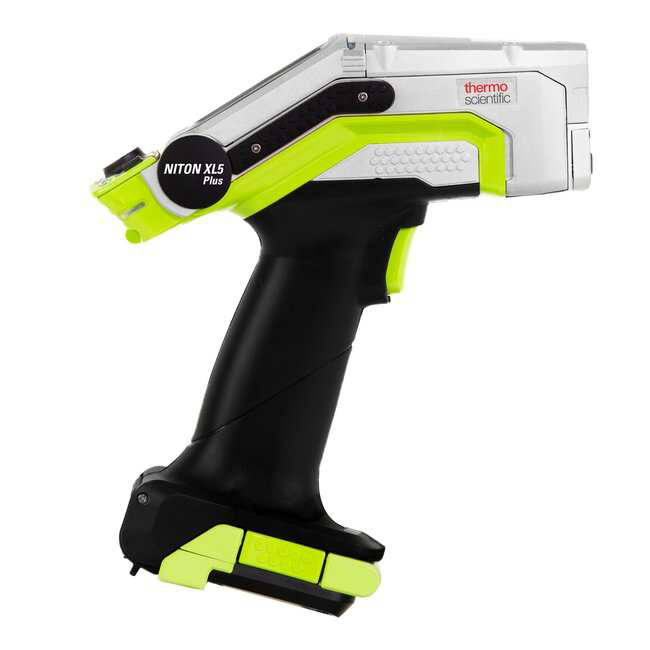
A Guide to Portable XRF Geochemistry in Mining

Geochemistry analysis is an incredibly important part of the mining industry. It is relevant to every stage of a mine’s life cycle and needs to be fast and accurate enough to avoid costly delays.

Portable XRF geochemistry analysers are the solution and are making mines more profitable all across Australia. So read on to learn how these incredible devices are applied to mining.

What is XRF?

X-ray Fluorescence Spectroscopy (XRF) is a non-invasive method for measuring the elemental composition of materials.

It uses a spectrometer to detect and measure X-Rays emitted by the atoms of a sample that has been irradiated. Depending on the element, the intensity of the fluorescent radiation it emits will change, allowing it to be identified.

What is Portable XRF Geochemistry?

Portable XRF geochemistry uses the same technology as regular XRF, except it’s calibrated to a specific range of elements. For example, geochemistry is most often applied to mining industries, so these portable XRF devices will be calibrated to detect both the desired elements and also commonly occurring contaminants.

How does Portable XRF Geochemistry Work?

To use portable XRF analysers in the field, a small portion of the sample is placed in the analyser’s sample chamber. The instrument then fires X-Rays at the sample. The device will then measure the resulting energy of the emitted radiation. For the final stage, the analyser then processes this information and compiles a composition report.

This gives the operator insight into several things, including:

  • The composition of the sample
  • The concentration of the elements they are looking for
  • The concentration of undesirable elements
  • The presence of any contaminants

The speed and accuracy of portable XRF geochemistry make testing in the field simple and effective. That’s why it has become one of the most popular and useful analysis methods in the mining industry.

How is Portable XRF Geochemistry Used in Mining?

Portable XRF geochemistry is applicable to all stages of the mining process.

Exploration

The initial phase of mining is either greenfield or brownfield exploration. XRF is especially useful at this stage because surveyors need to be able to take samples in the field and on the move. Because of its rapid results, samples can be taken over multiple days without costly interruptions waiting for lab results.

Resource Estimation

Once exploration has detected the presence of the desired minerals, the site needs to be assessed. Starting a new mine is an enormous financial undertaking so sites need to be rich enough to be worth the investment.

Using portable XRF geochemistry, testing the composition of samples over a wider area will reveal whether the site is worth pursuing.

Ore Processing

While ore is being mined, it is important to know the composition to determine how best to process it. Portable XRF geochemistry is so fast and accurate that mining companies can react quickly if the composition of the ore demands a different process.

Environmental Compliance

Mining companies must abide by strict environmental compliance legislation, especially regarding pollutants and contaminants.

Portable XRF geochemistry is an effective tool for testing soil and water samples to assess the risk of run-off which could risk breaching the rules.

The Ultimate Portable XRF Geochemistry Device

A Guide to Portable XRF Geochemistry in Mining 4

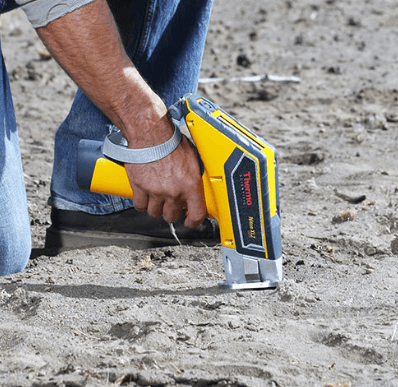
The Niton XL5 Plus Handheld Analyser is the leading XRF device for the mining industry.

It can detect geochemical data for elements and minerals, as well as identifying pure metals and alloys. For mining specifically, mining mode can be utilised to limit the detection range between Mg and U to target certain geochemical materials.

Aside from its impressive detection abilities, the Niton XL5 Plus has additional features that make it incredibly intuitive to use. These include:

  • Customisable for individual applications
  • Vivid navigation and custom user profiles
  • Micro and Macro cameras
  • Lightweight, ergonomic design
  • Installed customer database

Solve all your mining analysis needs with one device – the Niton XL5 Plus Handheld Analyser!

Portable Analytical Solutions

Portable Analytical Solutions (PAS) is the leading distributor of Niton devices in Australia.

In particular, the Niton XL5 Plus is incredibly popular. As Australia’s mining industry continues to boom, so does demand for the premier portable XRF geochemical analyser.

If you’d like to purchase or rent your own XL5 Plus, PAS has you covered. Simply get in touch today.

Custom Calibrations

PAS also offers custom calibrations for the XL5 Plus. Make analysis even easier with a calibrated detection range that suits your needs. If you already own an XL5 Plus, we can still calibrate it for you. Contact us if you’d like to discuss your custom calibration options.

On a Whole New Wavelength: What is FTIR and How Does it Work?

On A Whole New Wavelength: What Is FTIR And How Does It Work?

Meet the new kid on the spectroscopy block – FTIR.

Whether you work with polymers, minerals, environmental science or even historical artefacts, FTIR can be applied to transform your analysis capabilities.

Read on to learn what FTIR is and how it works!

What is FTIR?

FTIR, or Fourier Transform Infrared is a form of spectroscopy that utilises infrared light to identify the chemical composition of a sample. Unlike other forms of infrared spectroscopy, FTIR analyses the entire spectrum of light at once, rather than individually.

How Does FTIR Work?

FTIR analyses the elemental composition of a material sample. It works by projecting a beam of infrared light through the sample and measuring the amount of light absorbed at different frequencies.

This absorption spectrum is unique for different molecules, with molecules belonging to different elements absorbing light at specific frequencies. The absorption spectrum is then transformed into a more detailed spectrum through the Fourier transform method. This allows for the identification of specific elements in the sample.

What Are the Benefits of FTIR?

FTIR offers several key benefits over other forms of infrared spectroscopy.

More Detailed Spectral Range

FTIR is highly accurate and provides an impressively detailed spectra that allow for the identification of even trace amounts of chemical compounds. This is because unlike regular Infrared technologies, the transform process makes the spectrum even more detailed than simply studying individual wavelengths.

Faster Analysis

Regular Infrared technology analyses portions of the spectrum individually. However, the Fourier transform process allows the entire spectrum to be analysed simultaneously, making analysis much faster.

Different Sample Forms

Fourier Transform Infrared has the ability to analyse samples across the three main states of matter: solids, liquids and gas. This gives it a significant advantage because you don’t need to conduct different methods of analysis for different sample states. If you are out in the field, you can test any sample you come across in the environment.

Non-Destructive

FTIR is non-destructive, meaning samples can be analysed without damaging them, making it ideal for use in industries where samples must be handled delicately, like historical artefact analysis. It’s also a safer technology for testing potentially harmful or toxic samples, as the operator doesn’t have to disturb or handle them.

Which Industries Can Apply FTIR?

FTIR is a useful technology for a wide variety of industries.

Polymers and Coatings

FTIR is used to identify the chemical composition of polymers, as well as to analyse the properties of these materials, such as their thermal stability. It can also help detect the presence of harmful contaminants in coatings, such as lead.

Environmental Science

Because of its ability to test samples in solid, liquid and gas form, FTIR is uniquely equipped to handle all types of environmental analysis. This can include testing soil, water or air contaminants.

Mineral Identification

The wide detection range of FTIR makes it a vital tool in the field of mineral analysis. Not only can it positively identify the presence of specific minerals, it can also measure their quality and purity with a high degree of accuracy.

Historical Artefacts

Historical artefacts, especially paintings, require extreme care when being tested. They are often priceless and taking or damaging samples is unacceptable. FTIR detects non-destructively, and can accurately assess the composition of artefacts. This is especially useful for detecting painted over sections of paintings, or level of degradation within metallic artefacts.

The Agilent 4300 Handheld FTIR Analyser

agilent 4300 handheld ftir

The Agilent 4300 Handheld FTIR Analyser is the first of its kind, and has quickly become the leading handheld FTIR device on the market. With its easy point-and-shoot functionality and lightweight (only 2 kgs) design, it really is the premier option for FTIR analysis in the field.

One of the most time-consuming aspects of mining exploration is lab turnaround times. Sending samples and waiting for their return halts progress. WIth the Agilent 4300’s instant results, you can get confirmation in the field.

Its interchangeable interface also allows for easy switching when analysing different materials, such as swapping from a polymer to a soil sample. When combined with its ability to analyse solids, liquids and gases, the diversity of sample types it can test are astounding.

Furthermore, for mining specifically, its superior mineral analysis range means it is much more competent at finding previously unseen minerals than any alternatives. The specificity of its analysis also reveals the presence of quartz and garnets, which can help you avoid inefficient energy use while grinding during processing.

Portable Analytical Solutions

Portable Analytical Solutions supplies all sorts of analysis devices for a range of industries across Australia and New Zealand.

While Fourier Transform Infrared is one such technology, there are many others that could also help you make sample analysis faster and more accurate.

To purchase your own Agilent 4300 Handheld FTIR Analyser, or one of our other FTIR products, don’t hesitate to get in contact today.
Fool’s Gold: How Precious Metal Testing Saves You From Being Swindled

Fool’s Gold: How XRF Precious Metal Testing Saves You From Being Swindled

Precious metals are, as the name would suggest, very expensive commodities. From jewellery to luxury household items, they are highly sought after and extremely rare.

The problem is, just like most naturally occurring metals and minerals, their quality depends on the purity of their composition. This means knowing the precise quality of what you’re buying is vital if you want to stay profitable in the precious metals industry. 

Read on to learn how precious metal testing, specifically with X-ray fluorescence (XRF), can save you from being swindled. 

What are Precious Metals?

Precious metals are elements that aren’t naturally abundant. As with most commodities, supply and demand affects the price. In this case, precious metals are extremely expensive because their supply is scarce while demand for them is high.

Specifically, the four main precious metals are:

  • Gold
  • Silver
  • Platinum
  • Palladium

Of these four, gold is the most recognisable and universally sought after, especially for its use in jewellery. 

What is Precious Metal Testing?

Precious metal testing aims to identify the purity of an alleged precious metal sample. While a precious metal may look pure, most samples are alloys, meaning they are mixed with other elements or other precious metals. 

For example, gold has five common alloys to be aware of:

  • Fine gold – 99.9% pure gold
  • Gold alloy – Gold mixed with other elements
  • Yellow gold – silver alloy
  • Rose gold – copper alloy
  • White gold – palladium or nickel alloy

To accurately price these alloys, you need to know specifically how much gold is in the alloy. Otherwise, you may be paying for more gold than you are actually receiving. With the price of gold increasing, this isn’t a mistake you can afford. 

Precious metal testing becomes even more important when you consider the gold is likely a part of an object, such as an inlay on a piece of jewellery. This makes it even more difficult to test without having to destroy the object by removing the gold component. 

Which Technology is the Best for Precious Metal Testing?

With the stakes so high, you need to know that your precious metal testing solution is highly accurate and can provide instant results. 

XRF is widely accepted in the industry as the best precious metal testing technology, especially because it doesn’t damage the sample. 

Using an X-ray, it excites the sample and measures the fluorescence emitted by it. Each element creates a different type of emitted X-ray, which allows for detailed measurement of the composition of the sample. Only XRF can test quickly, precisely and non-destructively in such an intuitive and easy-to-use way. 

Precious Metal Testing with XRF 

XRF precious metal testing is big business and comes with many benefits. 

Saves Your Money

One of the most common precious metal testing methods for gold is acid testing. But there are two major drawbacks that could cost you a lot of money. 

Firstly, the acid tests are deemed ‘safe’ for the sample because they only damage it if it’s fake. But in pawnbroking or jewellery industries, just because a sample isn’t real doesn’t mean the object is worthless. 

The owner may still like the item even if it doesn’t contain real gold. Or, it could contain a mixture of real and fake materials, like fake gold but real silver. By damaging the fake gold, you’ve now lowered the overall value of the item. The seller is not going to be happy and you’ll likely have to purchase the item or compensate them for the damage.

Thankfully, XRF is non-destructive. The part of the sample that is excited by the X-ray is so minuscule that it can’t be seen by the naked eye. This means you can confidently test any kind of sample without fear of damage. 

The second issue is that acid testing isn’t as accurate as XRF. While it can tell you if gold is real or fake, true success in the precious metal industry comes from knowing the exact quantity and quality of the precious metals you buy and sell.

XRF tells you the precise composition of the sample, empowering you to be confident in your transactions. 

Saves Your Time

XRF isn’t just the most accurate precious metal testing method – it’s also the fastest!

Acid testing requires you to scratch the surface of the sample and then carefully administer the acid. Because the acid is corrosive, you also need to wear protective gear and be in a controlled environment.

With XRF, the X-ray excites the sample in just seconds, giving you an extremely quick reading. The sample doesn’t need to be prepared, and you don’t have to take any precautions. Simply use your XRF device and get precise analysis on the spot. 

It’s also worth mentioning that other testing methods like acid require you to go out and purchase testing kits. That’s an incredibly inefficient system if you are testing large quantities of precious metals on a daily basis. With XRF, you only need one device and it will last you for years. 

Saves Your Reputation

Fast and accurate testing obviously increases your capacity to trade and the money you can make through trading, but there is also something else they improve – your reputation!

As technology improves, the industry expects you to improve with it. If you’re still using precious metal testing methods that require identification through sight, touch or torches, the commodities you sell are soon going to be scrutinised by people who are using XRF. 

Buyers will become increasingly wary (if they aren’t already) of traders who don’t use advanced testing methods. If they are using XRF and you aren’t, the discrepancies between their analysis and yours will become too glaring to ignore. 

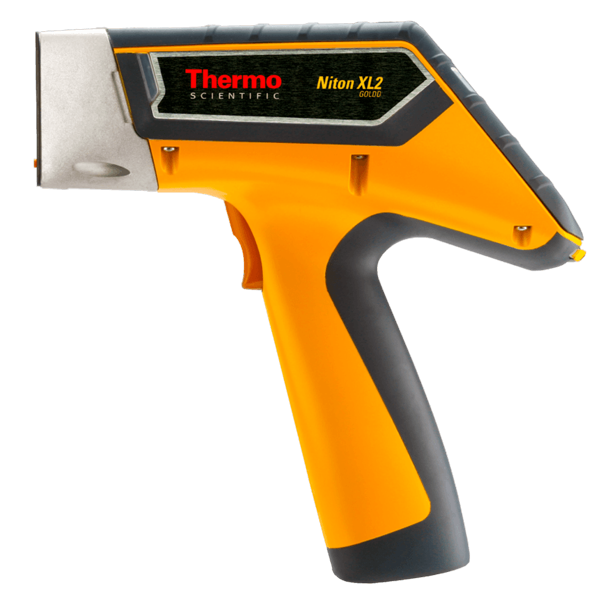
The Niton XL2 Precious Metal Analyser

XL2 Precious Metal Analyser
Niton XL2 Precious Metal Analyser

So, you’re convinced of the power of XRF technology for precious metal testing, but you aren’t sure which tool to use?

Well, the answer is simple. 

The Niton XL2 Precious Metal Analyser is the class leading portable XRF analyser that combines powerful analysis with ease of use. 

Its point and shoot simplicity means you simply have to press it against the sample and hold the trigger; no costly sample preparation required. 

It is programmed with a detection limit of 25 elements ranging from Sulphur (S) to Uranium (U), and is especially designed using Thermo Scientific AuDIT™ gold-plating detection technology. This makes it ideal for retail scenarios where objects with gold plating are regularly passed off as solid gold. 

With the Niton XL2 Precious Metal Analyser, never get swindled again! 

Portable Analytical Solutions (PAS) is a proud distributor of Niton products, including the XL2. To purchase or rent an XRF device and take your precious metal testing to the next level, get in touch today. 

For information on other industries and technologies serviced by PAS, visit our website. 

The Phenotyping Phenomenon: How Plant Phenotyping Technology Improves Plant Performance

The Phenotyping Phenomenon: How Plant Phenotyping Technology Improves Plant Performance

For much of history, people prayed to their gods to deliver them a good harvest. There’s no need to pray anymore…

With the help of plant phenotyping technology, you can control almost every aspect of your crop growth, making you more confident in your yields.

Read on to learn more about what plant phenotyping is and how it can improve your plant performance. 

What is Plant Phenotyping?

Plant phenotyping is the study of a plant’s physical and physiological traits. By gathering this information, you can get a complete picture of a plant’s phenotype, which includes all its observable characteristics and helps you create the perfect conditions for optimum growth. 

The History of Plant Phenotyping

While people have been experimenting with plant phenotyping since the invention of agriculture, it first became a recognised discipline in the 19th century. Scientists, armed with Darwin’s theory of evolution, began studying plant anatomy and physiology to better understand their growth and development. 

In the early 20th century, plant breeding became more widespread. Advancements in smart digital farming have made plant phenotyping a rapidly advancing science in recent decades.

How Does Plant Phenotyping Work?

Plant phenotyping measures and analyses various physical plant traits, such as their: 

  • Height
  • Biomass
  • Root length
  • Leaf size and shape
  • Flower colour

This list is by no means exhaustive, and will differ depending on the plant species. For example, some plants may not have roots, while some may not have flowers. 

It isn’t just the physical characteristics that are assessed. The plant’s physiological characteristics are also important. These can include:

  • The presence of parasites or mould growth
  • Photosynthesis 
  • Transpiration
  • Water use efficiency
  • Susceptibility to climate and temperature

Once again, there may be many more characteristics analysed depending on the specific species. This information tells you what’s going on beneath the surface, especially when considering how the environment impacts growth and yield. 

Finally, the data collected from both physical and physiological measurements is analysed to get meaningful insights into the plant’s phenotype. These insights can be used to understand the genetic and environmental factors that impact plant growth and development, and make informed decisions about breeding programs and crop management.

The Benefits of Plant Phenotyping

There are many benefits to integrating plant phenotyping into your crop management plan.

Improved Plant Survivability and Yield

Plant phenotyping helps identify the genetic and environmental factors that affect the viability of your crops. By identifying the risk factors that cause plants to die or under-produce, you can perfect your growing conditions, leading to improved yields and plant health.

Improved Understanding of Ideal Environment

Plant phenotyping can help you understand how plants respond to various environmental stressors, such as drought, heat, and salinity. This information can be used to develop more resilient crops that can better withstand these factors..

Better Breeding Selections

Information from plant phenotyping can help breeders select the best plants for breeding. Desirable traits can include:

  • Survivability
  • Interesting or unique traits
  • Natural disease resistance
  • Climate hardiness
  • Optimal yield 

This helps you eliminate undesirable genes and diseased plants from your crop, or helps you breed a hardier crop over time. 

How Has Technology Impacted Plant Phenotyping?

Plant phenotyping previously needed to be done by hand, but advancements in image processing and simulating environmental conditions has made phenotyping less labour intensive and more scalable. One tool that can do both is the LemnaTec PhenoTron. 

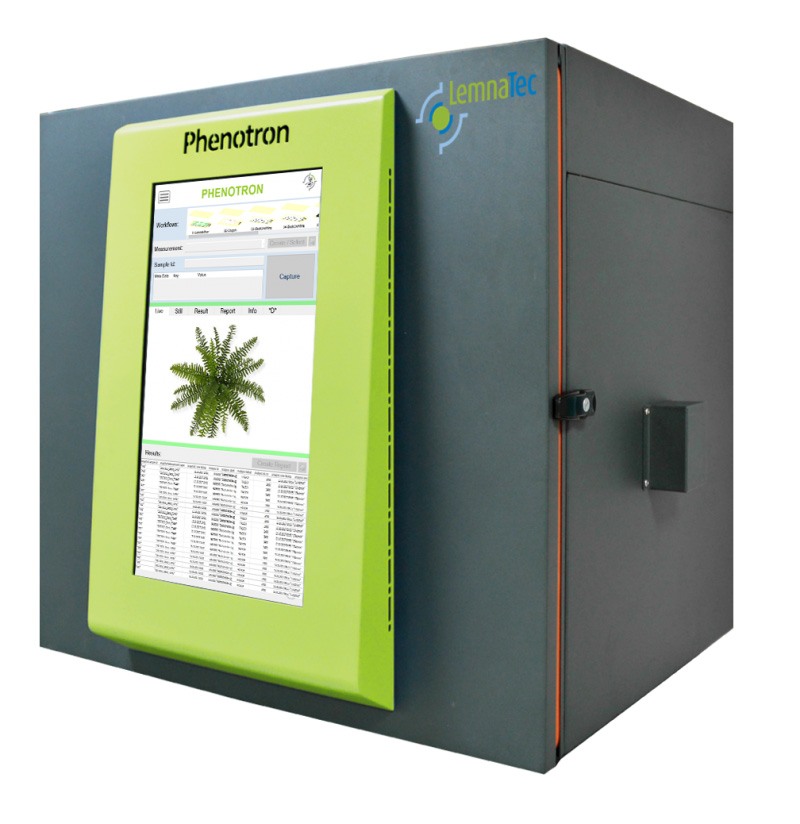
The LemnaTec PhenoTron

Lemnatex phenotron
The LemnaTec PhenoTron

The LemnaTec PhenoTron will revolutionise your ability to assess and experiment with different phenotypes.

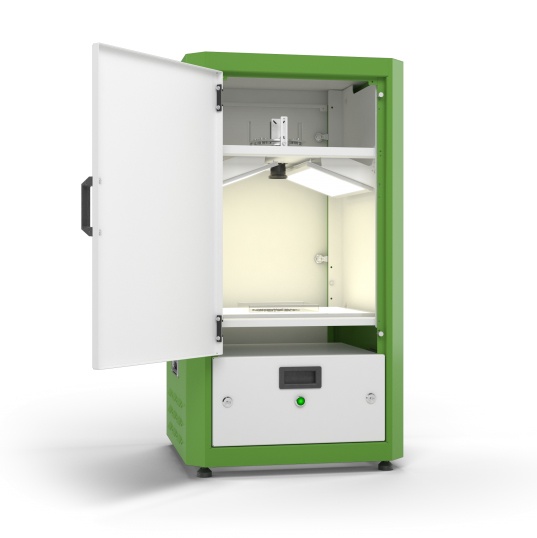
It combines the imaging and image processing capabilities of a LabScanalyzer with the advantages of a climate-controlled growth cabinet. This means you can trial different simulated climates on control groups and capture high resolution images to show how they are affected. The PhenoTron can simulate wild temperature fluctuation with its impressive 15°C to 40°C range.

The PhenoTron’s climate-controlled growth chamber is equipped with tunable LED light sources and top stereo RGB cameras, meaning images can also capture the morphology and colour of your samples. 

Better yet, you don’t even have to take them yourself. The machine can take them automatically on schedules that you set using the touchscreen interface. 

The PhenoTron is capable of handling various sample sizes, from petri dishes and beakers, to seedlings, all the way to mature plants. You can even test disembodied samples, like leaves or branches. 

Armed with the knowledge that the LemnaTec’s PhenoTron provides, you save your experimentation for samples, rather than risking losing your entire crop. Then, once you have the results, you can make large scale adjustments to your crop management plan. 

Portable Analytical Solutions

Portable Analytical Solutions supplies all sorts of analysis devices for a range of industries across Australia and New Zealand. 

While agriculture is one such industry, there are many others that could also help you make sample analysis faster and more accurate. 

To purchase your own LemnaTec PhenoTron, or one of our other plant phenotyping products, don’t hesitate to get in contact today. 
Looking Further Afield: Is Smart Digital Farming the Future of Agriculture?

The days of farmers visually inspecting and manually harvesting their crops in large-scale industries are ending. It is now far more efficient and profitable to use machines to assist these processes.

Known as smart digital farming, the limitations of human physiology are continually being negated with advancements in technology. As the global population increases, there are now 8 billion of us, this technology will be key in ensuring that agriculture keeps up with increasing human consumption.

Read on to learn more about how smart digital farming is the future of agriculture. 

What is Smart Digital Farming?

Smart digital farming, also commonly referred to as precision agriculture, is a series of cooperating technologies that combine to optimise farming processes and results. The five main technologies associated with it are advanced imaging, sensors, robotics, data analysis and machine learning. 

When working together they make monitoring, sorting and harvesting crops an automated, or at least heavily assisted, process. 

What Technologies are Used for Smart Digital Farming?

The following five technologies are integral to smart digital farming. 

Advanced Imaging

Advanced imaging is an umbrella term that refers to technology that captures high-resolution images of crops or seed batches. These can be analysed and scored by the machine itself, or categorised and stored for later analysis. Machines can quickly and accurately score samples based on the parameters you input. This happens quickly and eliminates the risk of human error. 

Sensors

Remote sensing allows you to analyse vast crops using spectral imaging. Spectral imaging measures light wavelengths emitted from surfaces and assigns a colour to each pixel that acts as a unique signature. Subtle changes to a plant’s composition, such as wilting at the edges or the presence of mould, will appear as different colours, including when the differences are subtle enough to not be seen by the human eye. 

Robotics

Agriculture will always have a physical element to it. Seeds will always need to be planted and crops will always need to be harvested. However, these actions don’t necessarily need to be completed by humans. Machines can automate many of these processes at a large scale. Even surveying can be done remotely with UAVs. In the future, it may become possible for farmers to never need to set foot on the farm!

Data Analysis and Storage

The days of keeping written data are gone. Not only does data need to be digital, it needs to be easily integrated with analysis systems and programs. High-quality precision agriculture devices will have built in data storage and organisation features, with some conducting the analysis as well. 

Machine Learning

Machine learning is when artificial intelligence (AI) in smart digital machines can teach itself without user inputs. A common example is when devices use historical data to refine their algorithms. This means machines become exponentially more effective, as the data they learn from becomes more accurate over time. 

What are the Advantages of Smart Digital Farming?

Smart digital farming increases both profitability and output in all areas where it’s applied. With that said, there are four main benefits that can be identified as the most transformative for agricultural enterprises. 

Saves Labour

To survey an entire field on foot, or inspect every seedling in a batch by hand, you need to pay labour costs. These costs quickly add up, especially when hiring people with more expertise and attention to detail who are more expensive.

Labour is also time consuming. Manual seed testing requires the careful documentation of hundreds of seedlings, while a crop inspection of a large property could require days of travel time. By using technologies like advanced imaging or UAV mounted sensors, you can complete these processes in far less time. 

Saves Costs

In addition to saving labour costs, smart digital farming also reduces waste. With advanced imaging you can identify diseased, mouldy or infested plants before they can spread throughout the crop. You can also be more judicial with the use of water and pesticides by paying greater attention to portions of the crop that require extra care. 

Imaging and machine learning also allows you to troubleshoot genetic issues to eliminate poor quality strains from your batches. Machine learning will improve its algorithms over time by adding historical data of poor seeds and samples to its evaluation criteria. This will exponentially reduce the amount of waste over time. 

Increases Yield

Just as imperfect plants can be removed from crops, the best performing ones can also be identified and used to create better yielding strains. This assisted phenotyping means crops will yield more over time. 

Increased yield obviously makes your enterprise more profitable, but it also enhances your reputation as a supplier. Both of these gains help put you in a position to expand your business.

Increases Scalability

Saving labour and costs, combined with increasing yields, makes your operation far more scalable. From studying seed germination to having a large acreage of ground-standing plants, you are limited by your ability to plant, monitor and harvest. 

With smart digital farming you are able to expedite all three of these processes, allowing you to expand your operations. 

PAS Offer Smart Digital Farming Devices

At Portable Analytical Solutions, we offer a range of devices that can unlock your smart digital farming potential. Headwall Photonics and LemnaTec are both leading manufacturers in the precision agriculture space. While they each have an impressive array of tools, we’ve highlighted two of the most essential for both large and small scale agricultural operations. 

The Headwall Photonics Hyperspec Nano 

Hyperspec Nano
Hyperspec Nano

The Hyperspec Nano is the premier UAV-mountable device for large scale spectral imaging of crops. Manage the health of your plants remotely by surveying large portions of your crops at once. Don’t waste precious time and labour on collecting samples and manual surveying. 

The Lemnatec™ SeedAIxpert 

LemnaTec SeedAIxpert
Lemnatec SeedAIxpert

The Lemnatec™ SeedAIxpert will transform your seed germination testing operation. Don’t rely on individually scoring hundreds or thousands of seeds. Eliminate wasting time and the risk of human error with advanced imaging. The Lemnatec™ SeedAIxpert photographs, scores, and analyses your seed batches for you based on your parameters. 

If you’d like to acquire a device from our smart digital farming range, get in touch today. 

For more information about PAS, including technologies for other industries, visit our website.

The Chromatic Aberration Effect: How it Affects Hyperspectral Imaging

Hyperspectral imaging technology is an integral part of mining in Australia. Images taken at high resolutions can reveal astonishing amounts of data without needing physical samples.

The catch is, the quality of the images directly affects the quality of the results. 

Chromatic aberration is an optical problem in cameras and some sensors that can distort hyperspectral images and make data unusable. 

If you are in an industry that uses hyperspectral sensors, read this article for an explanation and solution for chromatic aberration. 

What is Chromatic Aberration?

Chromatic aberration, which is commonly referred to as colour fringing, occurs when a lens can’t accommodate all the wavelengths of colour on a focal plane, or if the colours are focused in different positions. 

This means colours travel at different speeds through the lens, known as dispersion, and they blur the image. Colours can appear to bleed into each other, or from the ‘fringes’ of objects in the image. 

What are Hyperspectral Sensors?

Hyperspectral imaging (HSI) captures a wide spectrum of light beyond the primary colour range. Individual pixels can be assigned colour ‘signatures’ because each one will emit light slightly differently on the spectral band. These signatures can then be paired with specific minerals during the analysis stage. 

Hyperspectral imaging is used widely in mining and food industries because it can facilitate detailed analysis and predictions without having to collect and destroy physical samples. 

How does Chromatic Aberration Affect Results? 

Chromatic aberration can severely affect results and make images completely unsuitable for analysis. There are two kinds of chromatic aberration

Longitudinal Chromatic Aberration

The first is longitudinal aberration, also known as axial aberration. This occurs when the wavelengths fail to converge at a single point after passing through the lens. This commonly causes fringing, where the outlines of objects or distinctive features have an incorrectly coloured tinge, usually green or purple. 

This colour distortion means light ‘signatures’ can’t be correctly applied where chromatic aberration occurs. 

Lateral Chromatic Aberration

The second type is lateral chromatic aberration, also known as transverse chromatic aberration. This occurs when wavelengths hit the lens at an angle, causing them to reach the focal plane at different positions. This is common with fish eye lenses that allow light to penetrate at unusual angles.

Unlike longitudinal aberration, the fringing won’t appear around the object, but towards the edges of the image instead. Despite this difference, both cause issues with signature assignment and are a threat to accurate data when aberration occurs in hyperspectral imaging. 

Can Chromatic Aberration be Prevented?

Lenses are prisms. This means imperfections in the lenses can cause wavelengths to behave erratically when passing through. Most instances of chromatic aberration are caused by imperfections in the lenses themselves. For photographers, keeping their lenses well maintained and editing out aberrations after the fact is usually sufficient. 

For hyperspectral imaging purposes, time and data are money. You can’t afford to waste either dealing with chromatic aberration. That’s why hyperspectral imaging sensors do away with lenses altogether. Instead, they opt for diffraction gratings.

Diffraction gratings work in the opposite way to lenses. Where lenses focus wavelengths on a single focus plane, diffraction scatters the light instead. This light passes through a lattice where it is processed and reconstructed as a legible image.

Since there is no lens, hyperspectral imaging sensors are mostly immune from the chromatic aberration effect. The only exception to this is if the sensor doesn’t have the ability to read the full light spectrum that is being emitted. In this case, unrecognised colours could still manifest incorrectly in the final image. 

Headwall Photonics

If you want hyperspectral imaging devices that are application specific and can eliminate chromatic aberration over the entire spectral range, Headwall Hyperspectral Sensors are the devices for you.

PAS is the leading supplier of Headwall Photonics products in Australia and New Zealand. They have a wide range of hyperspectral sensors for mining and other industries. 

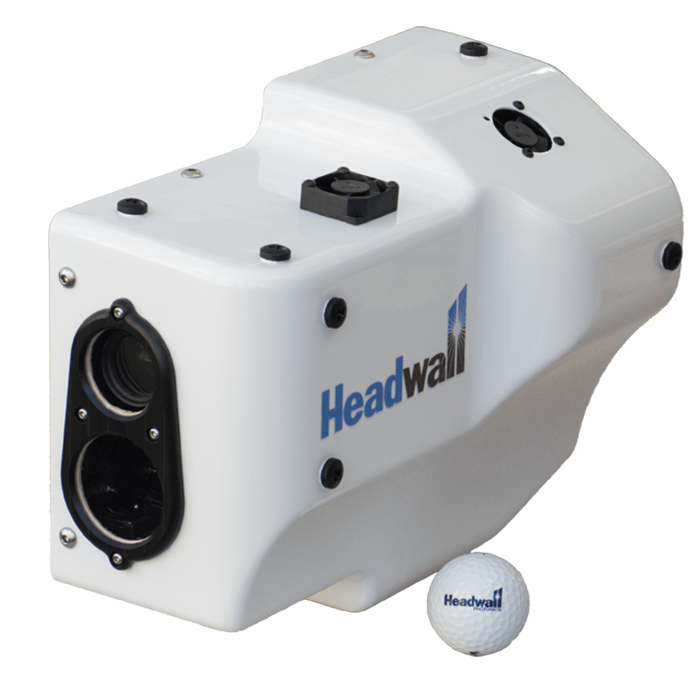
In particular, the Hyperspec VNIR – SWIR Co-Aligned uses its chromatic aberration correcting imagery to map large swathes of land with a high degree of accuracy. This product is incredibly popular for land surveying and mining exploration – especially with its UAV-mounting capabilities. 

A Hyperspec VNIR – SWIR Co-Aligned device
Hyperspec VNIR – SWIR Co-Aligned

If you’d like to inquire about purchasing your own Hyperspec VNIR – SWIR Co-Aligned, or any other incredible Headwall device, get in touch today.

For more information about Portable Analytical Solutions, visit our website. 

Clear as Mud: 5 Common Methods for Contaminated Soil Testing

Clear as Mud: 5 Common Methods for Contaminated Soil Testing

You can often tell how land has been used decades after based on the composition of its soil. Depending on what the land needs to be used for, the absence of nutrients and biodiversity, or the presence of toxic contaminants, can all affect its value and viability.

There are several common methods for contaminated soil testing, and some are more effective and efficient than others. Read on to learn about them. 

What is Contaminated Soil Testing?

Contaminated soil testing checks soil for the presence of toxic materials, such as:

For land to be viable for certain industries, especially agriculture, it needs to be tested. Likewise, for land to be developed into residential areas, the soil needs to be safe for human habitation.

Why is Accurate Contaminated Soil Testing Important?

Contaminants in soil can harm people in a lot of different ways. It can be absorbed into crops and eaten, and it can be absorbed through our own skin or inhaled. It’s also possible for contaminated soil to leach into the water supply. 

Asbestos soil contamination in particular is a serious threat, as asbestos can lead to terminal illnesses. 

This high risk to human health means the testing of soil is highly regulated. To develop land without the risk of lawsuits, it’s essential that you have a testing method that is fast and accurate. 

The 5 Most Common Methods for Contaminated Soil Testing

The below methods are the most common contaminated soil testing methods, but some are more effective than others. 

1. Gas Chromatography (GC)

The gas chromatography method takes a sample, in this case a small portion of soil, and is put into a gas chromatograph. This device then heats the sample to make it volatile. This heat converts the sample to gas, which passes through an analytical column.

At the end of the column is a detector, which analyses the gas. Different components of the sample will produce different gases, which are recorded by an acquisition software, and will create a chromatogram, which shows a breakdown of the components of the sample.  

The problem with GC is that it is a physical testing method, which comes with several limitations. First, it destroys the sample in the process, which means two samples need to be taken, one for your GC test, and another for lab confirmation.

The gas chromatography is also prone to malfunctions, gas leaks and incorrect assembly. If this occurs, not only does it potentially skew results, but it also costs time and requires another sample to restart the process. Overall, even when GC works correctly, it takes a long time compared to other technologies in this list.

2. Laser-Induced Fluorescence (LIF)

The laser-induced fluorescence method takes a sample and excites it with a laser. The molecules of the sample become so hot that they become electronically excited. As they return to their ground state, their fluorescence and the resulting spectrum is captured by a photodetector. 

LIF can also be used to detect vibration wavelengths in liquid samples. In these cases it’s the vibrations that are measured. 

Laser-induced spectroscopy is a popular method, but it does have a serious drawback. It’s predominantly designed to identify hydrocarbons, which makes it an excellent testing method for gas, petroleum and oil contamination. The problem is, organic and certain heavy metal substances can also fluoresce and affect the readings. 

3. Infrared Spectroscopy (IRS)

The infrared spectroscopy method uses infrared radiation to test the composition of a sample. By exposing a sample to infrared radiation, the time it takes for the radiation to be absorbed can be measured. Because the sample will be made of various components, the absorption rates will differ on a molecular level. These differences can then be mapped spectroscopically. 

IRS generates very accurate results, because it can test very narrow wavelengths. The problem is, to achieve this, the sample needs to be prepared into very thin layers to facilitate attenuated total reflection (ATR). This can be very time consuming. 

4. Near Infrared Spectroscopy (NIR)

The near infrared spectroscopy method works very similarly to IRS. It also uses radiation absorption times to create a spectroscopic outline of the different components in a sample. Where it differs is the kind of radiation it uses. As its name suggests, it uses near infrared, rather than fully infrared radiation. This allows it to detect a broader electro-magnetic range. 

Unlike IRS, NIR doesn’t require complex sample preparation because it has the capacity to detect more broadly. This means it is a great tool for testing a wider range of samples, and for testing them quickly. 

The only problem is that to allow the broader range, there is a necessary tradeoff in detection limits. This means it’s ideal for giving an overview of the presence of possible soil contamination, but you would be better off using IRS for a comprehensive breakdown of a particular sample. 

Combined, IRS and NIR can offer a robust contaminated soil testing solution.

5. X-Ray Fluorescence (XRF) 

The X-Ray fluorescence method irradiates a sample with X-Ray radiation. Afterwards, as the sample stabilises, electrons emit fluorescent X-Rays of their own. Different elements have different energy release peaks, which act like fingerprints, allowing them to be recorded on a spectrograph. 

While the methods may sound similar, the main difference between XRF, and IRS and NIR, is that XRF analyses at an atomic, rather than molecular level.  This means it combines the accuracy of IRS with the broad spectrum of NIR. 

It also obtains near-instantaneous results, which makes it the ideal technology for working in the field with portable devices. Additionally, it can detect all 26 elements of EPA Method 6200, making it one of the most sought after contaminated soil testing methods in the industry. 

The Niton XL2 and XL2+ Analysers

An XL2 Analyser being used in the field

Thermo Fisher’s Niton XL2 and XL2+ Analysers are the best tools for contaminated soil testing on the market. 

The XL2 is calibrated to detect 30 elements from sulphur to uranium, while the XL2+ can detect from magnesium to uranium. Along with testing for trace metals, they can also identify geochemical traces. 

Their easy point-and-shoot functions and real-time results help minimise how long you or your team need to spend on potentially contaminated surfaces, and it also means testing is much quicker.

Rather than waiting for costly lab analysis turnaround times, you can reliably screen a site before starting work. Then, once lab confirmation arrives, you can start without costly interruptions. 
To purchase your own Niton XL2 or XL2+ Analyser, get in touch with us today.

The Benefits of Hyperspectral Data Imaging for Mine Mapping

The Benefits of Hyperspectral Data Imaging for Mine Mapping

Hyperspectral data imaging is revolutionising mine mapping, and will only continue to improve in the future. The benefits far outweigh the costs, especially when compared to traditional on-foot greenfield exploration. 

If you’re looking for a way to improve the efficiency and profitability of your mine mapping operations, read this guide to the benefits of hyperspectral data imaging.

What is Hyperspectral Data Imaging?

Hyperspectral imaging (HSI) captures a wide spectrum of light beyond the primary colour range. Every pixel of an image can be identified due to the spectral band of the light that it emits, which acts like a signature. 

Different minerals will emit different light signatures, which allows the mineral composition to be identified upon later analysis. 

Hyperspectral data imaging is non-destructive. Where other analysis methods need to agitate or excite physical samples, HSI simply needs to be able to take images of a sample area. 

UAV-Mounted Devices

HSI doesn’t require physical samples, which allows it to be much more scalable and mobile than alternative testing methods. For example, many hyperspectral imaging devices can be mounted on UAVs. This makes mapping large swathes of land affordable and effective.  

The Benefits of Hyperspectral Data Imaging for Mine Mapping

The benefits of hyperspectral data imaging for mine mapping speak for themselves. You can improve almost all areas of your mine mapping without any drawbacks. 

More Detailed Data

When taking physical samples, you can get a highly accurate analysis of the sample itself, but you then need to rely on extrapolation to make assumptions about the rest of the survey area. These assumptions are educated guesses, and there is always an element of risk that the sample will be an anomaly.  

HSI doesn’t need to rely on chance. It can capture wide arrays of data that will confirm the presence of your target minerals throughout the site, not just in small sections. 

Saves You Time

Not only is hyperspectral data imaging more detailed, it’s also much quicker than physical testing methods. For conclusive analysis of an entire site, physical samples would need to be taken as a cross section, which takes time and labour. 

With HSI, especially when aerially captured on a UAV, definitively capturing data over vast distances is far more time-efficient. 

Saves You Money

In business, time is money. That means saving time with hyperspectral data imaging also saves you money. Sending explorers is expensive. You have wages, equipment, vehicles and insurance to pay, and that’s only if everything goes well. 

As landscapes get more rugged, equipment failures or time spent navigating to a site can quickly ramp up the expenses. 

With HSI, you can eliminate these costs. Drone technology is constantly improving, especially now that it is being used in serious capacities for large industries like mining. It is much cheaper to pay for a drone and an operator to conduct long-range data capture, than it is to pay for explorers to be in the field for potentially days at a time. 

Less Costly Unsuccessful Explorations

The cost of unsuccessful explorations is two-fold. You lose the time you could have spent on a successful exploration, and you also lose your investment. 

With HSI, you are far less likely to overcommit to a bad prospect, because you can achieve a more holistic capture of the data in a shorter period of time. That way you can decide early on if a prospect is worth further analysis or not. 

Safer Exploration

While physical exploration is always becoming safer, there are still risks. This is especially true in extremely isolated or remote areas of Australia. Some mining sites can be very difficult to access, especially if the terrain around them is particularly rugged.

With hyperspectral data imaging, the bird’s eye view afforded by UAV technology lets you safely map difficult areas without having to put someone in harm’s way. 

Headwall Photonics Class-Leading Hyperspectral Data Imaging Devices

A Hyperspec VNIR – SWIR Co-Aligned device

The leading hyperspectral data imaging devices on the market are made by Headwall Photonics. They offer a range of sizes and calibration groupings for different industries. 

For mining, the Hyperspec VNIR – SWIR Co-Aligned uses a patented aberration-corrected design that provides very high spectral and spatial resolution with stable measurement accuracy.

Its broadband range of 400-2500 nm makes it ideal for mine mapping, along with the ability to mount it on to a UAV. 

If you’d like to purchase a Hyperspec VNIR – SWIR and transform the profitability of your mine mapping operations, get in touch with Portable Analytical Solutions today. 
We supply Headwall Photonics products, as well as a range of other mining devices. For more details about PAS, visit our website.

Nipping it in the Bud: Non-Destructive Detection & Monitoring of Mould on Cannabis with Hyperspectral Imaging

Nipping It In The Bud: Non-Destructive Detection & Monitoring Of Mould On Cannabis With Hyperspectral Imaging

The Australian legal cannabis industry is valued at over USD 50M and is slated to increase by 30% each year until 2030. But like all relatively new industries, its growth hasn’t come without a few teething issues.

Mould growth has been a persistent problem in cannabis populations. Not only can it reduce viable yields, but common testing methods are cumbersome and destructive. 

With that said, hyperspectral imaging is a technology that is making waves in the cannabis industry. Read on to learn how its non-destructive detection is a faster and more cost effective solution than any of the alternatives. 

How does Mould Impact Cannabis Growth?

Mould can be devastating for cannabis growers and sellers. It can seriously affect the appearance and texture of cannabis, both as a live plant and dry bud, which therefore reduces its value. 

Worse than that, mould can cause allergic reactions and even death when ingested or inhaled. Given the medicinal marijuana market makes up the majority of legal cannabis demand, this is concerning. People who take medicinal marajuana for chronic conditions are often more susceptible to the effects of mould. 

Like with any crop, mould can quickly ravage plant populations without the grower knowing before it is too late. Mould spreads before it becomes visible to the naked eye. Without proper testing, it can be difficult to nip it in the bud. 

What are the Current Mould Testing Methods? 

There are three commonly used methods for testing and detecting mould in cannabis populations. 

Gas Chromatography 

To test a cannabis gas chromatograph (GC), samples of both fresh and dry buds need to be carefully removed, packaged and sent to a third party lab. There, the samples are then heated and the chemical composition of the gases they produce are analysed. 

This method is time consuming, and is more suited to identifying the quality of the cannabis, not necessarily the presence of mould. The sample is also destroyed in the process. 

High-Performance Liquid Chromatography 

High-performance liquid chromatography (HPLC)  also requires samples to be removed, packaged and sent to the lab. It mainly differs from GC methods because it uses a liquid solvent to separate the components of the sample, rather than a gas.

HPLC is another time consuming method due to the process itself, but also the lab turnaround time. Similarly to GC, it also destroys the sample. Given samples only test a single plant, not an entire population, if you want to scale your analysis to include multiple plants, the destruction of further samples will eat into your revenue. 

Single-Point Reflectance Spectroscopy (SPRS)

SPRS only needs to be calibrated with a direct measurement of a cannabis sample once, and then it can be used to indirectly measure samples. This is a marked improvement over GC and HPLC, as it doesn’t destroy samples and can achieve real-time results. 

The issue is, it can still only measure individual samples at a time, which then need to be extrapolated to predict the characteristics of the larger population. 

All three of these solutions fail to test large enough sample sizes quickly, and are more suited to evaluating the quality of the plants themselves, rather than the presence of mould growth. 

What is Hyperspectral Imaging?

Hyperspectral imaging is a way of seeing a material in more detail. The human eye isn’t capable of seeing much of the colour spectrum, which means we lose a lot of detail. This becomes more true the smaller objects get.

Hyperspectral imaging captures a much wider light spectrum, fine tuned to the point where any tiny variation on the surface of a material will register with its own signature. 

Variations can be caused by changes in size, shape, colour and chemical composition. When analysing cannabis plants and buds, mould spores, even at minuscule sizes, will be revealed through hyperspectral imaging as a different colour to the sample itself. 

Why is Hyperspectral Imaging Ideal for Mould on Cannabis Detection?

Other than its high accuracy, hyperspectral imaging also has several other advantages when testing for mould on cannabis. 

Non-Destructive Analysis

Hyperspectral imaging is non-destructive. That means no samples are unnecessarily damaged or destroyed in testing. It also means samples don’t have to be removed and prepared, which saves time.

Large Spatial Analysis Range

The biggest issue with the SPRS method is the need to test individual points of the population and then assume that data is indicative of the wider population’s health. Hyperspectral imaging avoids this problem by capturing large-scale samples and ensuring heterogeneity across the results. This can be achieved by securing the MV.X over a belt system.

Real-Time Results

Hyperspectral imaging avoids costly time delays when sending samples to the lab. Instead, its results occur in real-time as samples are being taken. This also allows you to act more quickly and decisively if mould growth is detected. 

Headwall Hyperspec MV.X Test Results 

A Hyperspec MV.X device
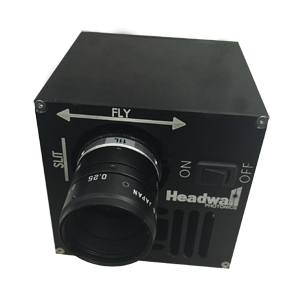
Hyperspec MV.X

The best commercially available hyperspectral imaging sensor is the Headwall Hyperspec MV.X. The device is robust and is ideal for line scanning. It uses an image slit that collects reflected light and takes an image every time a row of pixels passes, creating extremely detailed image profiles. 

A recent study conducted at Headwall Photonics with a Hyperspec MV.X tested four unique strains of cannabis. One of them had mould growth, the other three had been previously confirmed to be mould-free. 

The MV.X analysed the spectrum of data and designated the mouldy sample as yellow, and the healthy samples as blue. The results were accurate, with only the mouldy sample appearing as yellow. 

Enquire about a Headwall Hyperspec MV.X

While the Headwall Hyperspec MV.X is proven to be successful for identifying mould on cannabis, it is also useful for a range of applications across agriculture and food processing industries. 

Portable Analytical Solutions (PAS) is a distributor of Headwall products, including the MV.X. If you’d like to inquire about purchasing this product, get in touch today.