Notice: PAS has relocated to Unit 1, 11 Pinnacle Place, Somersby NSW 2250

Portable analytical Solutions logo
Malvern logo

Malvern Panalytical Scientific Award 2023

Our 2023 Scientific Award is now open – and there’s a €5,000 prize for the best entry.
Entries close August 31st – you’ve still got time!

The Many Applications of FTIR Spectroscopy

The Many Applications of FTIR Spectroscopy

Fourier Transform Infrared (FTIR) Spectroscopy is one of a handful of techniques commonly used to analyse the molecular structure of different materials. While its adoption may be more recent than other, similar techniques, its use has quickly become more widespread. 

This is largely due to the unique benefits that this type of analysis can provide.

Here we take a closer look at the applications of FTIR spectroscopy across several key industries. As part of this, we also explore why FTIR is the preferred technique for such a wide range of analysis activities.

How does FTIR spectroscopy work?

Every material interacts with different wavelengths of light in its own unique way.

Acknowledging this, FTIR spectroscopy works by applying mid-infrared light (approximately 4000-400 cm^-1) to a sample. The absorption of different wavelengths is then measured and interpreted to provide a detailed analysis of the molecular composition.

As part of the interpretation, the Fourier transform mathematical function is used to convert the detector signal from a time domain to a frequency domain. This allows the entire spectrum to be analysed simultaneously, rather than on an individual wavelength basis.

Strengths of FTIR spectroscopy

When compared to other, similar techniques, FTIR spectroscopy offers a few unique benefits.

Most significantly, being able to analyse the full spectra simultaneously increases the speed and efficiency of testing. As most other techniques analyse individual wavelengths, multiple readings are needed to collect the same data as a single test using FTIR spectroscopy. FTIR testing has been made even easier by the introduction of handheld tools, which allow analysis to be quickly completed on-site.

The breadth of analysis also means FTIR spectroscopy generally provides more accurate results than other similar techniques. It can also provide a more detailed breakdown of the composition of a sample. This includes the identification of both the nature and concentration of trace elements and potential contaminants.

Applications of FTIR Spectroscopy

Acknowledging the accuracy of results and level of detail provided, the applications of Fourier Transform spectroscopy have grown quickly, as new industries embrace this technique. This has been spurred on by the introduction of handheld FTIR tools, which have revolutionised many different types of testing.

Some of the most common applications of Fourier Transform Infrared spectroscopy include:

Identification of valuable minerals

In the high-risk, high-reward mining industry, reliable data on the mineral composition of a site is invaluable. From exploration and operational design to extraction and ongoing management, mineral analysis plays a crucial role throughout the mining process. 

FTIR spectroscopy is one of a few tools that is widely used to inform both exploration and operational activities.

During the exploration phase, it can help assess both the quality and quantity of valuable minerals present in an area. By providing a detailed analysis of the overall site composition, it also supports accurate calculation of the potential value of a deposit and planning of optimal extraction methods.

Once mining activity has begun, regular FTIR testing can help provide important insight into operational performance. By analysing mineral concentration and purity in mined materials, it helps track output against projections and informs decisions on future mine activities.

Monitoring of quality in agricultural environments

Soil quality is a major consideration for agricultural businesses, with quality improvements linked to increased yields and more efficient farming operations. FTIR spectroscopy provides an accurate assessment of the nutrient profile of soil, allowing producers to optimise their activities and plan effective land management interventions.

The accuracy of FTIR testing means it can also identify contaminants, even at low levels. This limits the risk of harmful substances, like heavy metals and toxic chemicals, transferring to produce and posing a threat to human health.

Testing of polymers and surface coatings

In Australia, the categorisation of polymers is a key component of their regulation and management. As part of this, testing is required to understand their chemical composition and the potential impact on human health.

More than just meeting regulatory requirements, the detailed analysis provided by FTIR spectroscopy also supports quality assurance in polymer manufacturing. Once a clear profile of the required chemical composition has been established, regular testing can be used to ensure this standard is maintained.

It also supports the early identification of potentially harmful contaminants, both in polymers and surface coatings. Understanding the chemical makeup can also help you determine important properties of these materials, like their thermal stability.

Detection of degradation

As some materials age, their chemical structure begins to break down and produce new materials, known as degradation products. 

For example, many paints are made up of inorganic pigments and oil-based binding agents, which degrade into metal soaps over time. FTIR spectroscopy can be used to analyse these soaps, providing important details about the paint’s history and informing conservation plans.

Similarly, as many metals and polymers age, their density decreases, and degradation products (like rust) can form. This impacts the performance of these materials and, depending on how they are being used, can pose safety risks. FTIR testing can help identify early signs of degradation and support planning of proactive maintenance and repair works.

Authenticating artworks and artefacts

Some experts claim that up to 40% of “big name” artworks for sale at any given time are fakes. 

Given the significant sums of money involved in these sales, there is a lot of interest in weeding out the forgeries. FTIR spectroscopy can assist with this, helping to confirm the age of different objects and identifying the scope and nature of any restoration works.

By analysing the chemical makeup, FTIR testing allows art experts to match the materials used with the alleged age of a piece. For metallic artefacts, the level of degradation can also be measured to determine its likely history. 

Importantly, because FTIR is non-destructive, this testing can be done without damaging the potentially priceless object.

Choosing the best FTIR device for your needs
The Many Applications of FTIR Spectroscopy 2

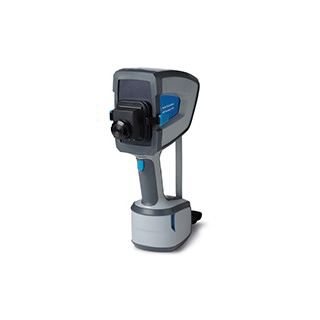
Whatever application of FTIR spectroscopy you require, the Agilent 4300 Handheld FTIR is the tool for the job. 

With its lightweight design and point-and-shoot functionality, it is easy to see why this is the most popular portable FTIR device on the market. It is also highly versatile, with an interchangeable interface that allows you to easily switch between applications.

For more information on how FTIR spectroscopy could help you, or to purchase your own Agilent 4300, contact us today.
Is There an Alternative to Mineral Analysis Laboratories? Introducing Portable NIR

Is There an Alternative to Mineral Analysis Laboratories? Introducing Portable NIR

Mineral analysis laboratories have long played a critical role in the mining exploration process. 

Supporting both greenfield and brownfield activities, the data they produce has informed everything from investment decisions to production design. And, with mining being such big business here in Australia, the economic impact of their output can be enormous.

However, over recent years, there has been an increasing interest in finding reliable alternatives to lab testing. In particular, there has been a push to identify solutions that support on-site analysis and provide reliable, credible data quickly and more cost-effectively.

Are There Portable Analysis Solutions for Testing Minerals?

Tools that can support on-site chemical analysis have been in use in some environments, like defence and agriculture, since the late 1990s. However, as the data they produced was of a notably lower quality than what could be achieved through lab testing, adoption was limited.

Thankfully, this technology has advanced significantly over the last couple of decades. As a result, the quality of analysis that can be carried out using handheld tools is now on par with lab testing.

Limitations of Lab Testing

While lab testing of mineral samples provides many benefits, it also presents some challenges for modern mining exploration operations.

Inconvenient Sample Preparation

Most significantly, samples need to be collected, prepared, and sent to the lab for analysis. Depending on the number of samples required, this can be an extremely time-consuming process. It can also take weeks for samples to be analysed and results to be provided, which inhibits the speed of exploration activities.

High Cost for Results

There is also a cost associated with both the preparation and analysis of each sample. This makes quantitative analysis a prohibitively expensive exercise, particularly across larger areas, and means exploration efforts need to be quite targeted. This is further exacerbated by the limited capacity of most labs, which generally cannot be scaled up to meet increased testing requirements.

Destructive Testing

Most lab testing is also destructive, which means that the sample is damaged as part of the analysis process. While the amount of material destroyed is generally nominal when compared to the total deposit volume, this wastage still adds to the overall cost of lab testing activities.

How Portable Analysis Compares

As the quality of data produced by portable analysis tools has increased, the other benefits these solutions provide have become more obvious. In particular, the ability to conduct testing in the field has helped significantly speed up the exploration process. 

Instant and Cost-Effective Results

As results are available almost instantly, testing what would take weeks in a lab can now be completed in just seconds in the field.

Portable analysis is also much more cost-effective than lab testing. Once you have invested in obtaining the required equipment, the ongoing operation and maintenance costs are minimal. This means that, the more you use a portable analysis tool, the lower the cost per test.

In addition to being financially beneficial, this makes quantitative analysis, even over larger areas, a much more appealing prospect. 

Unlimited Analysis

The number of tests you can complete using a portable analysis tool is virtually unlimited, allowing you to broaden the scope of your exploration activities. Most tools also support increasingly targeted testing, which means you start by casting the net wide, and allow the data to guide your efforts.

Non-Destructive Testing

Portable testing methods are also non-destructive. This means that samples do not need to be extracted or prepared before the analysis can be carried out. It also reduces wastage, further bringing down the cost of your exploration activities.

Introducing Near-Infrared Spectroscopy (NIR)

There are several portable mineral analysis technologies that can be used to support exploration activities, with each better suited to certain applications. Among these, Near-Infrared Spectroscopy, or NIR, stands out for its rapid, reliable results and wide range of applications.

As the name suggests, NIR technology makes use of wavelengths that are near the infrared region on the electromagnetic spectrum. This section of the spectrum is considered to have several key attributes that make it ideal for analysing solid, liquid, and gas samples.

Light in this range (around 350 nm – 2,500 nm) reacts to certain chemical bonds to different degrees. As such, when it is directed at samples with minerals made up of these bonds, some of it will be absorbed and some of it will be reflected. Exactly what is absorbed will depend on the chemical makeup of the sample.

NIR technology measures these varying absorption rates and uses them to identify the composition of a sample. It also analyses the intensity of the reflected light to determine the concentration of key minerals.

Within the mining exploration context, NIR is the best choice when speed and quantity are the priority. NIR tools allow you to quickly develop a picture of the main minerals present across a large area. They can also measure the moisture content and identify air pockets, which can help inform calculations of the deposit value and optimal processing method.

Choosing the Right NIR Device

As portable NIR tools have evolved, adoption of the technology has increased significantly, and it is now widely used across several fields. A range of different devices have also been developed to suit the various applications of this analysis method. As such, it is important to make sure you choose a device that is designed for how you plan to use it.

If you would like to try before you buy, we also offer a wide selection of portable analytical solutions for rent. All of our equipment is maintained by factory-certified engineers and comes with expert training and technical support.

Elemental Assay in Mining Explained

Elemental Assay in Mining Explained

Working out the volume and quality of deposits is one of the biggest challenges prospectors and mine operators need to overcome. Assay techniques can help with this, allowing the concentration of valuable minerals and metals to be calculated. 

Assay in mining also has important financial implications, providing crucial insight into the economic viability of a project and the investment potential for an operator.

Here we take a closer look at what assay is and the role it plays within the mining industry. We also explore the different techniques that can be used and share our advice on selecting the right tool for your assay needs.

What is Assay in Mining?

Assay is an analytical process that determines the composition of a substance and the concentration of specific elements. In addition to its use within the mining industry, it also has medical, chemical, and environmental applications. 

Assay results are also sought out by finance and investment professionals to help determine the potential performance of businesses operating in these spaces.

How Assay Techniques Support Mining Activities

As the data they produce informs a wide range of important decisions, assay techniques are used throughout the mining life cycle.

Assay During Exploration

The initial stages of any mining project are all about finding deposits and confirming the economic viability of their retrieval. To make this calculation, operators need an understanding of the size of the deposit (tonnage), quality of materials (grade), and operating costs (mining method and ease of processing).

At this stage, assay techniques are used to help determine the potential value of the mineral or ore body. They do this by providing data on the quality and quantity of materials present in a chosen site. This information is then used to model the deposit, including the likely tonnage and grade.

Assay techniques are equally important to both greenfield and brownfield exploration activities.

Assay During Operation

Once mining activity has begun, assay techniques continue to be important.

The composition of mined material needs to be closely monitored, as it informs the optimal processing method. Significant changes in composition can also impact the planning of future mining activities, so need to be identified early.

Ongoing measurement of the concentration of target elements is also required to determine the actual value being realised from mining activities. This informs the calculation of operational efficiency and discussions around the financial viability of the mine.

Assay in Support of Environmental Compliance

All mining operations need to adhere to a range of regulations and guidelines designed to minimise environmental impacts, among other things. These include strict controls regarding the management of pollutants and contaminants.

Assay techniques allow mining operators to monitor soil and water quality to ensure it meets the required standards. Regular testing also supports the early identification of potential issues (like runoff), allowing them to be rectified or managed before they cause significant damage.

Common Elemental Assay Techniques

There are three main techniques used for assay in mining, each with its own strengths and considerations.

Pyrometallurgical Assay

This technique and has been used for thousands of years. It uses heat to extract raw materials from a sample, which can then be weighed to determine concentration. Traditionally performed using fire, modern methods use high-temperature lab furnaces to process gold, silver, and most platinum group metals.

While the exact process varies depending on the target element, this technique usually involves:

  1. Crushing and grinding a sample into a fine powder
  2. Adding dry powder chemicals – usually a fluxing agent and alloying material
  3. Placing the material in a cupel – a small bowl made out of a refractory material like magnesite or bone ash
  4. Heating the sample until it forms a glass-like slag
  5. Allowing the material to cool and separate – the non-precious elements will either oxidise or be absorbed into the cupel

This produces a small bead, known as a prill, which is made up of all the precious metal present in the original sample. The concentration of the target element is then calculated by weighing the prill and comparing it to the weight of the initial sample.

How Viable is Pyrometallurgical Assay?

Compared to other methods, this technique can be quite complex, time-consuming, and expensive, particularly when multiple samples need to be processed. The manual nature of multiple steps and the destructiveness of the treatment also means that the accuracy of results can vary.

Atomic Absorption Spectroscopy (AAS)

This is one of the oldest, commercially-developed analysis techniques, with the modern version largely refined by Australian scientists in the 1950s. It is based on the principle that specific atoms absorb light at unique wavelengths, and that the amount of light absorbed indicates the concentration.

For this technique, a sample usually needs to be dissolved in a liquid solution. While some AAS methods can be used on solid materials, these usually need to be crushed and ground into a fine powder first. Samples also need to be atomised, which is generally done using a flame or graphite tube.

Once atomised, samples are then irradiated, either by an element-specific line or continuum radiation source. The amount of light absorbed by the sample is measured and the concentration of the target element is determined.

How Viable is Atomic Absorption Spectroscopy?

As a specialised instrument is used to complete most of the steps, this process is fairly simple and reliable. That said, the requirement for initial preparation of the sample creates the potential for inconsistency in results.

X-Ray Fluorescence (XRF) Analysis

This technique has increased in popularity in recent years, following significant developments in analysis technology. It shares several similarities with AAS, including using unique “fingerprints” to measure the concentration of specific elements. 

XRF analysers determine the chemistry of a sample by measuring the fluorescent or secondary X-ray emitted when excited by a primary X-ray source. 

This dislodges an electron from the atom’s inner shell. As the irradiated atom regains stability, an electron from the higher orbital shell will replace the dislodged electron, emitting an X-ray in the process which can be measured to provide insight about the element the atom belongs to, including positive identification and characteristics. 

Every element present in a sample produces a unique set of characteristic fluorescent X-rays (the fingerprint), which is why XRF spectroscopy is often used for qualitative and quantitative analysis of material composition.

How Viable is X-Ray Fluorescence Analysis?

This technique provides a few important benefits that the other techniques can’t match:

  • Portable and easy to complete – analysis can be done on-site using handheld devices
  • Fast results can be delivered in seconds without lengthy sample preparation or lab turnaround times
  • Non-destructive and can be completed on solid samples
  • Enables simultaneous detection of multiple elements 
  • Lower detection limits mean it can be used to identify and quantify the presence of Rare Earth Elements and Lithium Pathfinders

Choosing the Right Tool – Introducing the XL5 Plus

Elemental Assay in Mining Explained 3

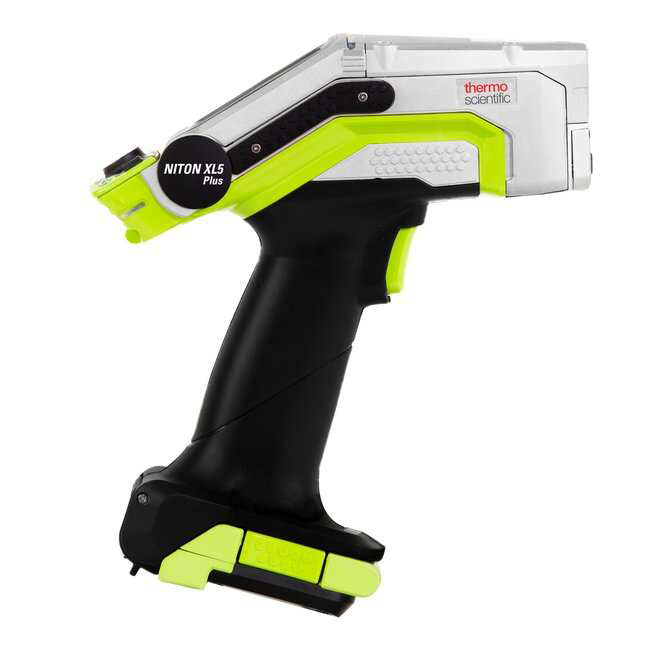
The unique benefits of XRF make this technique a standout for a wide range of elemental assay requirements. The Niton XL5 Plus is the premier instrument for performing fast, reliable XRF analysis.

The lightweight, ergonomic design of this handheld device makes it perfect for use on-site. Its easy-to-use navigation can be customised to suit a variety of applications, from mineral exploration to supporting mining operations. It is also powerful enough to detect:

  • Metals
  • Alloys
  • Trace elements
  • Geochemical data
  • The elemental composition of powders, oils, sludge, and slurries

If you are interested in getting your hands on this invaluable bit of gear, contact the Portable Analytical Solutions (PAS) team today.

Not ready to commit to purchasing? We also offer a range of devices for rent.

Our rental equipment is fully licensed, maintained by Australia’s only factory-trained and certified engineers, and suitable for assay in mining. 

Our experienced team is also available throughout the rental period to provide testing advice and technical and application support.

Finding Buried Treasure: The Stages of Mineral Exploration Explained

Finding Buried Treasure: The Stages of Mineral Exploration Explained

The Australian landscape is renowned for being mineral rich and mining operations here have the potential to be quite lucrative. 

However, the country is also extremely vast, making it difficult to identify deposits, particularly of the scale required to make mining economically viable. That’s why experienced prospectors maximise their chances of success by working through several structured stages of mineral exploration.

This process is designed to confirm the quality and quantity of minerals present in an area as efficiently as possible. It generally starts with lower-impact activities and only moves on to more invasive – and expensive – measures if certain criteria are met. This helps limit unnecessary impact on the environment and reduces both the risk and scale of wasted investment.

How are Valuable Minerals Located?

There are a range of characteristics that areas with significant mineral deposits share. Some of these are visible to the trained eye, though most can only be identified through deeper analysis using specialist tools. 

The different stages of the mineral exploration process look for these signs, using increasingly advanced techniques to confirm the exact make-up of the deposit.

Please note: In this article, we focus on the practical steps required to identify, extract, and process mineral deposits. If you are looking to follow these steps, there are some administrative requirements you also need to meet. This includes finding funding and securing the appropriate licences from the relevant State Government department (e.g. the Department of Regional NSW or Resources Victoria).

Working through the Stages of Mineral Exploration

The exact process you need to follow to identify and analyse a mineral deposit will depend on a range of different factors. 

For example, the specific tests you need to perform will be largely based on the mineral you are looking to extract. The geology of the area may also influence the design of both your surveying and extraction activities.

That being said, most mineral exploration projects go through several key stages, which are outlined below.

Initial Mapping and Surveying

You start by carefully examining the area for common indicators of a mineral deposit. This may include mapping the site’s geology, including the location and orientation of exposed rocks. It often also involves water and soil testing to identify sediments present on the surface of the site.

You can then graduate to more advanced surveying methods to get a more detailed view of the minerals present. 

Near-Infrared (NIR) Surveying 

Near-infrared (NIR) surveying in mineral exploration utilises spectral signatures of minerals in the near-infrared range to map their distribution across large areas. 

Analysis devices collect NIR data, enabling rapid identification of specific mineral absorption features and the creation of maps. Overall, it offers a quick and efficient approach to locating potential mineral deposits for further investigation.

Fourier-Transform Infrared (FTIR) Surveying

Fourier Transform Infrared (FTIR) surveying identifies and characterises minerals by analysing their unique infrared absorption spectra, and uses the Fourier Transform method to analyse impressively wide spectra. 

FTIR is particularly useful for mapping mineral distributions and identifying alteration minerals associated with ore deposits.

Magnetic Surveying

A magnetometer is used to identify subtle variations in the Earth’s magnetic field. This helps you analyse rock types and determine the presence of metallic minerals.

Electromagnetic Surveying

An electromagnetic field is used to identify subtle variations in the conductivity of the near-surface rocks and soil. This helps you analyse groundwater and salinity, and locate deposits of metallic minerals.

Radiometric Surveying

A spectrometer is used to measure the gamma rays emanating from the top 30cm of earth. Widely considered the most reliable surveying method, this helps you analyse the composition of surface rock and soil, and determine the presence of a range of minerals.

Gravity Surveying

A gravimeter is used to identify subtle variations in the Earth’s gravitational field. This helps you analyse the thickness of rock in the crust and determine the presence of certain minerals and energy sources.

If your exploration area is quite large or difficult to access, low-flying helicopters or aircraft can be used to carry out airborne surveys, or if smaller, ground-based surveying may be more appropriate and effective.

Targeted Drilling and Sampling

If the results of initial exploration activities are positive, targeted testing can help you confirm the presence of a mineral deposit. In particular, core drilling allows you to access below the surface of the site and see what materials are present. 

The depth you need to drill down will depend on your surveying results and will progressively increase as you confirm the presence (or not) of minerals.

Before proceeding to the next stage, you may also choose to carry out bulk sampling. This is quite an invasive process that requires the extraction of a large volume of material to enable further testing. However, it can provide invaluable information on both the quality and quantity of minerals present.

Alternatively, using portable NIR and FTIR analysis devices can shortcut this process because of their ability to take highly accurate, fast and non-invasive readings of samples.  

Detailed Modelling and Design

Using the data gathered through your exploration activities, you can develop intricate models of the size and structure of the mineral deposit. 

These can then be used to help you decide whether to proceed with mining the site. And, if you do, your modelling can also help you optimise the design of your mining activities and infrastructure.

Mineral Extraction and Processing

There are many different ways to get minerals out of the ground, and mining techniques and technologies are constantly evolving. 

Whichever approach you choose, you should expect to invest significant time and money into setting up your operations. You will also need to validate production levels against your modelling and begin further exploration activities well before you reach depletion.

There is also constant innovation in mineral processing, which is helping to increase efficiency, reduce waste, and minimise health and environmental risks.

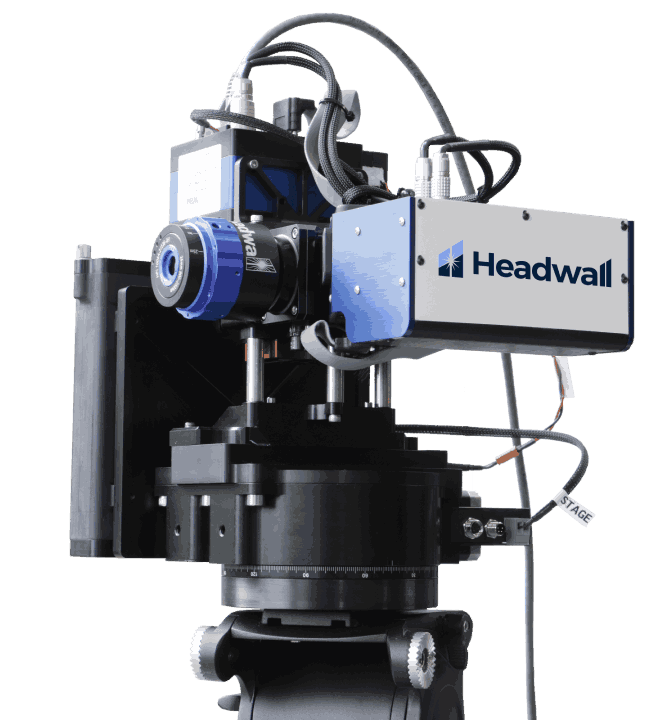
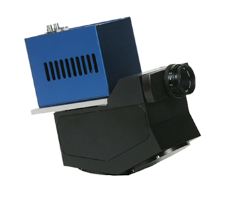
Headwall Photonics Nano HP

Compact VNIR Hyperspectral Imaging System Used For Remote Sensing

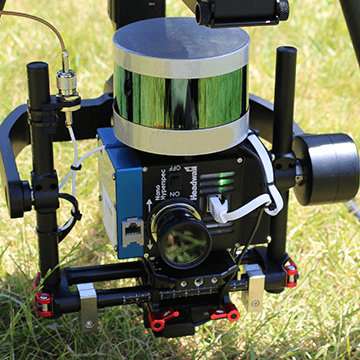
The Nano HP is the next generation of the Nano-Hyperspec, which made a significant impact within the remote sensing community, emerging as the leading system of its kind.

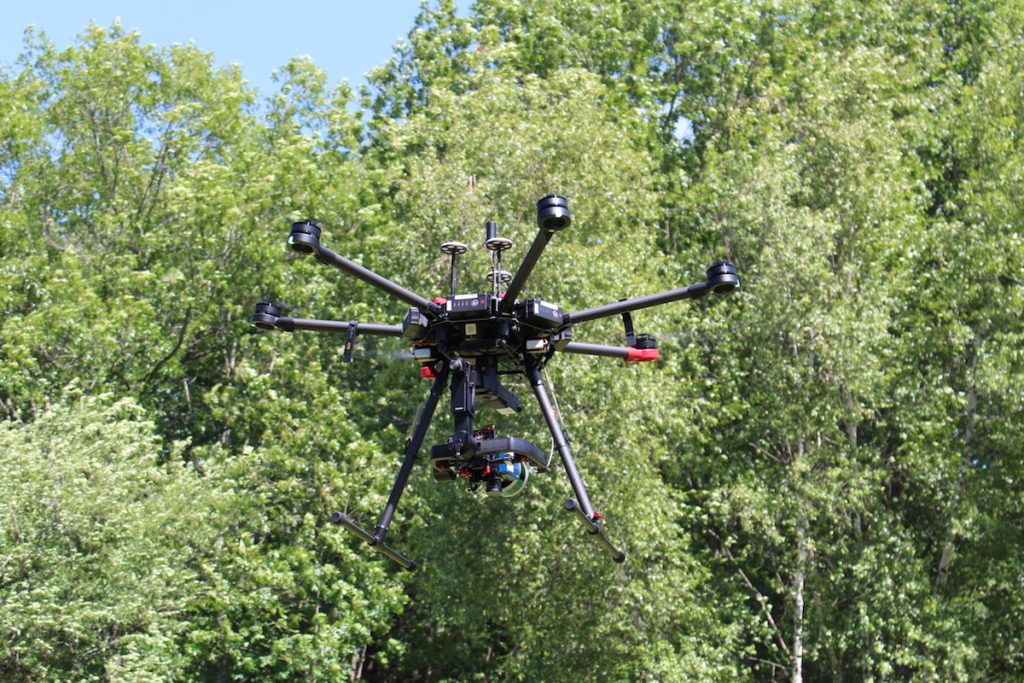
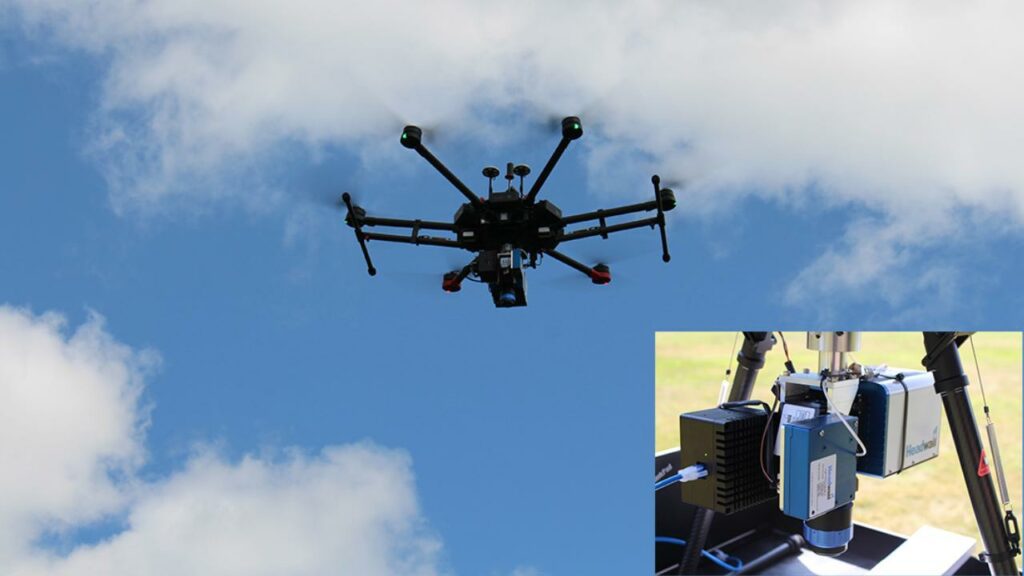
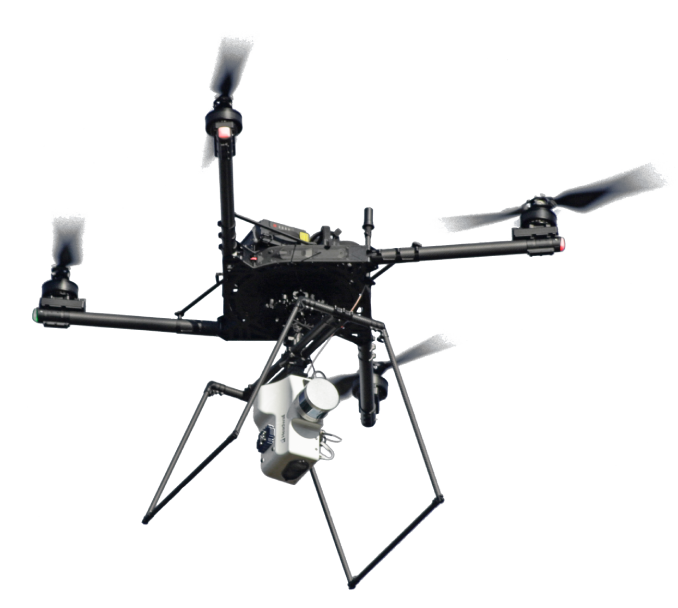
The Nano HP is available for purchase as a payload integration onto compatible UAVs. Additionally, it can also be integrated as part of some turnkey systems that include the drone. For example the DJI Matrice 300 RTK, DJI Matrice 600 Pro, as well as the FreeFly Alta X (which is made in the USA and supports NDAA-compliance).

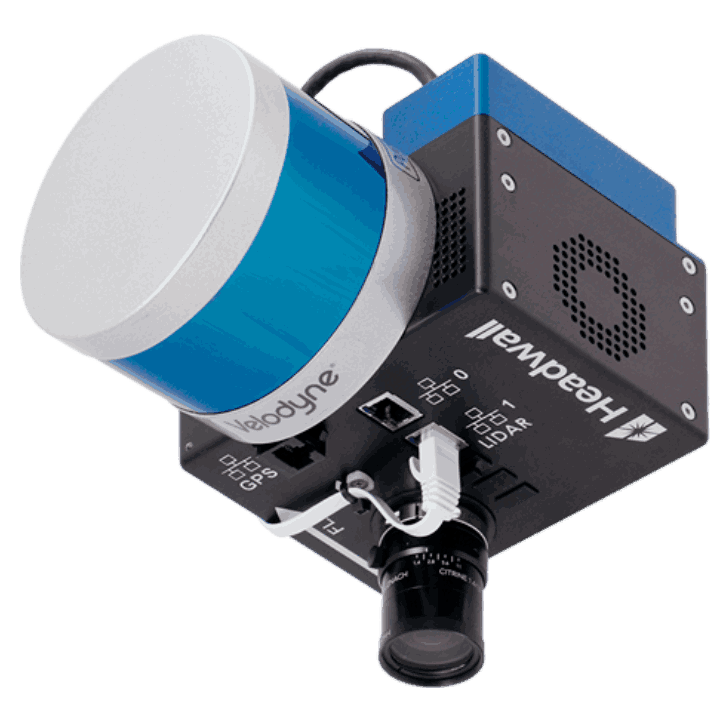
Optional sensors and accessories like Light Detection and Ranging (LiDAR) and thermal imagers can also be incorporated into payloads suitable for your unique needs.

Improved performance & Design

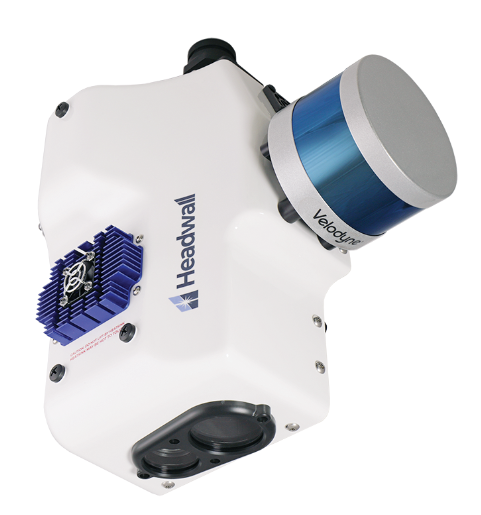
The Headwall Nano HP comes with a high-performance GPS/IMU, allowing LiDAR to be added as an integral module. As a result, a Nano HP with LiDAR is lighter and smaller than the original Nano-Hyperspec.

Depending on your payload specifications, you can opt for either fixed- or gimbal-mount configurations. The user-friendly HSInsight interface, accessible via any browser, streamlines the setup process for your Nano HP.

Key Features Of Headwall Nano HP

  • Ideal for applications in environmental monitoring, mining, and precision agriculture
  • Pre-integrated and tested in the factory
  • Leading in Size, Weight, and Power (SWaP) efficiency
  • Covers the VNIR wavelength range from 400 to 1,000 nm
  • Equipped with built-in GPS-IMU and solid-state storage
  • Optional LiDAR for generating high-resolution Digital
  • Elevation Models (DEMs) and 3D point clouds
Headwall Photonics Nano HP 6
headwall hyperspec nano close-up
Headwall Photonics Nano HP 7
nano-hyperspec-on-dji 1 png

The Headwall Nano NP has no Competitors When It Comes To These Features:

FEATURESHEADWALLCOMPETITION
Turnkey Systems, Everything You Need ✔️❌
Light Weight, Low Power Consumption✔️❌
Compact, Solid-State Data-Acquisition System✔️❌
CE-Certified VNIR Sensor✔️❌
Available LiDAR and Data-Fusion Options✔️❌
Factory-Made Holographic Gratings✔️❌
All-Reflective, Aberration-Corrected Design✔️❌
Portable & Robust ✔️❌

Applications For The Headwall Photonic Nano HP

Agriculture / Viticulture / Vegetation /

Speak to PAS for expert guidance on hyperspectral imaging options from Headwall Photonics.

Technical Specifications

SPECIFICATIONSVALUE
Wavelength Range400 – 1,000 nm
Spectral Bands340
Spatial Pixels1020
Camera TechnologyCMOS
Pixel Pitch5.86 μm
Aperturef/2.5
Dispersion/Pixel1.76 nm
Entrance Slit Width20 μm
Spectral FWHM8 nm
Frame Rate (Sustained)250 Hz
ADC Bit Depth12 bits
Spectrograph DesignAberration-Corrected
Digital InterfaceGigE
GPS/IMUInternally Mounted High-Performance with PPK
Data Storage on Payload480 GB Solid-State
Weight (without / with LiDAR)1.05 kg (2.32 lbs) / 1.73 kg (3.81 lbs)
Base Dimensions (without / with LiDAR)132 x 102 x 73 mm (5.2 x 4.0 x 2.9 in) / 132 x 175 x 99 mm (5.2 x 6.9 x 3.9 in)
Power without LiDAR (typical)14.4 W
Operational Temp Range0 – 40 °C / 32 – 104 °F
Storage Temp Range-20 – 60 °C / -4 – 140 °F

Headwall Photonics Micro-Hyperspec SWIR 640

Small, Light-Weight & low powered sWIR Hyperspectral Sensor

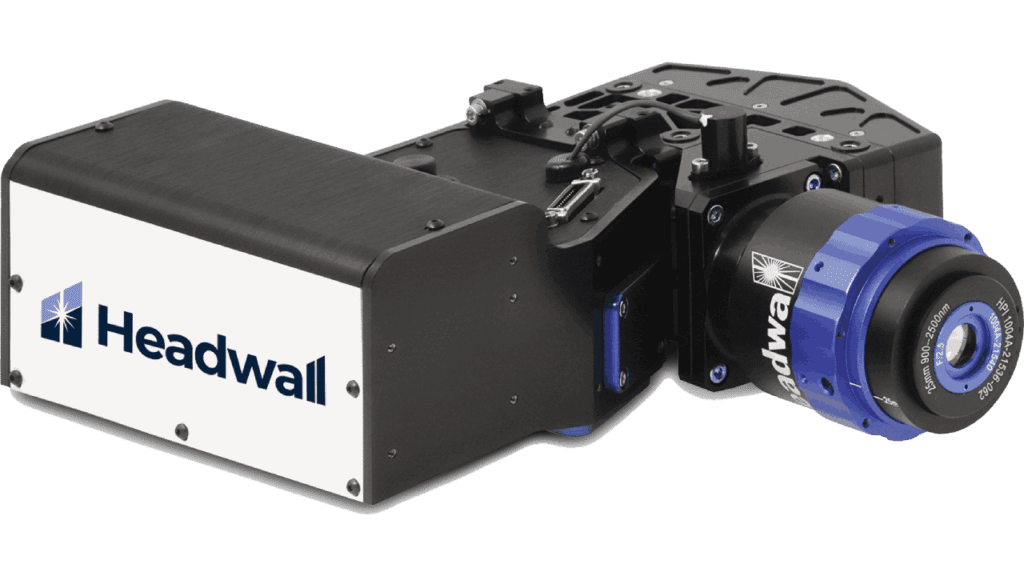
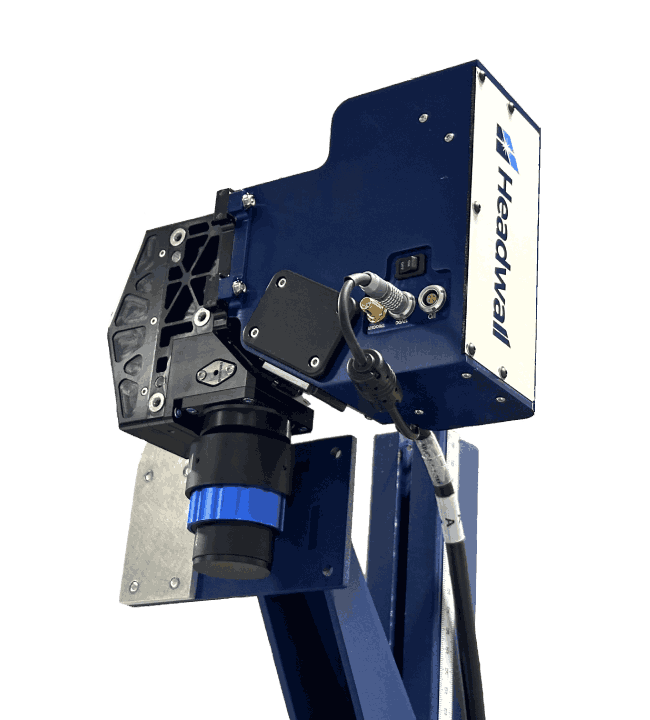
Headwall’s Micro-Hyperspec SWIR 640 is a hyperspectral sensor designed for remote sensing. It incorporates 640 spatial pixels and 267 spectral bands within a Stirling-cooled MCT-based imaging system.

The Micro-Hyperspec SWIR 640 seamlessly integrates as a drone payload system, can be purchased as a turnkey system inclusive of the drone, or can be bundled with the perClass Mira Stage. Additionally, it is available in high-volume OEM configurations, allowing for integration into your own instrumentation.

Key Features Of The Headwall Micro-Hyperspec SWIR 640

  • Ideal for a variety of applications
  • Factory integrated and tested for seamless performance.
  • Operates across the 900 to 2,500 nm range (SWIR wavelength range)
  • Equipped with a built-in high-performance GPS-IMU and solid-state storage, making it suitable for airborne use.
  • Compatibility with DJI and NDAA-compliant UAVs, rotary stages for ground truth scanning, and the perClass Mira Scanning Stage.
Headwall Photonics Micro-Hyperspec SWIR 640 9
Headwall Photonics Micro-Hyperspec SWIR 640 10
Headwall Photonics Micro-Hyperspec SWIR 640 11
Hyperspectral Imaging Systems

Applications For The Headwall Micro-Hyperspec SWIR-640

Geology / Mining and Exploration / Environmental Monitoring / Infrastructure Inspection / Sorting For Recycling / Art & Antiquities Analysis

Speak to PAS for expert guidance on hyperspectral imaging options from Headwall Photonics.

Headwall Photonics Co-Aligned

Compact VNIR-SWIR Hyperspectral Imaging System Tailored For Remote Sensing

Headwall’s first Hyperspec Co-Aligned VNIR-SWIR sensor quickly became the top-selling system in its category. The next-generation Co-Aligned HP™ VNIR-SWIR offers improved VNIR spatial resolution and more spectral bands, all in a small, lightweight, and power-efficient design.

You can buy the Co-Aligned HP as a payload for compatible UAVs or as part of complete systems with the drone, like the DJI Matrice 600 Pro or the USA-made Freefly Alta X, which complies with NDAA regulations.

Key Features Of Headwall Co-Aligned

  • Optimal SWaP (Size, Weight, and Power) performance
  • Ideal for applications in mining, infrastructure, and environmental monitoring
  • Factory-integrated and flight-proven
  • Covers VNIR (400 to 1,000 nm) and SWIR (900 to 2,500 nm) wavelength ranges
  • Equipped with built-in GPS-IMU and solid-state storage
  • Option to include integrated LiDAR for generating high-resolution DEM (Digital Elevation Model) and 3D point clouds
Headwall Photonics Co-Aligned 13
Headwall Photonics Co-Aligned 14
Headwall Photonics Co-Aligned 15

The Headwall Co-Aligned has no Competitors When It Comes To These Features:

FEATURESHEADWALLCOMPETITION
Turnkey Systems, Everything You Need✔️❌
Industry-Leading SWaP (Size, Weight, and Power)✔️❌
Compact, Solid-State Hyperspectral Data-Acquisition✔️❌
Available LiDAR and LiDAR-Hyperspectral Data-Fusion✔️❌
All-Reflective, Aberration-Corrected Optical Spectrometer Design✔️❌
Factory-Made Holographic Gratings✔️❌

Applications for the Headwall Co-Aligned

Airborne Remote Sensing / Mine Mapping / Precision Agriculture / Mining and Exploration / Environmental Monitoring / Petroleum & Pipeline Monitoring

Speak to PAS for expert guidance on hyperspectral imaging options from Headwall Photonics.

Technical Specifications

SPECTRAL RANGEVNIR, 400-1000nmSWIR, 900-2500nm
MODELCO-ALIGNED HP™
Spectral Bands340267
Spatial Pixels1020640
Camera TechnologyCMOSMCT
Pixel Pitch5.86 μm15 μm
Aperturef/2.5
Slit Length6 mm10.4 mm
Dispersion/Pixel1.76 nm6 nm
Entrance Slit Width20 μm15 μm
Spectral FWHM8 nm8 nm
Frame Rate (Sustained)250 Hz200 Hz
ADC Bit Depth12-bits16-bits
CoolingNoStirling-Cooled
Spectrograph DesignCo-Aligned & Aberration-Corrected
Digital InterfaceGigEGigE
GPS/IMUApplanix APX-15
Data Storage on Payload480 GB Solid-State for Each Sensor
Weight (sensor only)4.0 kg / 8.8 lbs
Dimensions (sensor only)272 x 211 x 165 mm
Power req (typical / max)14.4 W / 36 W37 W / 40 W
Operational Temp Range0 – 40 °C
Storage Temp Range-20 – 60 °C
Compatible UAVsDJI Matrice 600 Pro, Freefly Alta X

Hyperspec NIR

Hyperspec NIR

Headwall Photonics –Spectral Imaging

Headwall Photonics – Spectral Imaging

The Headwall Photonics Hyperspec NIR imaging spectrometers offer an exceptional imaging performance in the near-infrared (NIR) and cover a spectral range from 900nm to 1700nm. Depending on the desired frame rate and interface type, these spectrometers are available in two different configurations.

Hyperspec NIR imaging spectrometers are designed with a completely reflective concentric optical system featuring an f/2.0 aperture. The system includes aberration correction and is housed in a lightweight package, which is optimised for use in harsh environments.

Hyperspec NIR is available in two versions, both providing 320 spatial bands and 166 spectral bands. The R-Series version features Base CameraLink connectivity, while the X-Series version utilises USB connectivity for versatile data transfer options.

Hyperspec NIR 17

The Headwall Photonics HyperSpec NIR is a powerful tool that features:

  • The Hyperspec NIR sensors feature a compact and rugged design, ensuring durability and stability while offering a wide field of view and low scatter or stray light.
  • With 320 spatial bands and 166 spectral bands, the sensors deliver an extremely high signal-to-noise ratio for enhanced image quality.
  • Hyperspec NIR is available in two versions: the R-Series with Base CameraLink connectivity and the X-Series with USB connectivity, both providing high-resolution image capture.
  • Constructed using a completely reflective concentric optical design with an f/2.0 aperture, Hyperspec NIR ensures aberration-corrected imaging in a lightweight and durable package that is optimised for harsh environments.
  • Cost-effective deployment is possible with Hyperspec NIR, enabling efficient use of resources.

How To Apply The Headwall Photonics HyperSpec NIR
Mining and Exploration / Machine Vision / Remote Sensing / Waste Recycling

Speak to PAS for expert guidance on Hyperspectral Imaging options from Headwall Photonics.

XRF, NIR and FTIR: Your Complete Mining Solution

XRF, NIR and FTIR: Your Complete Mining Solution

In the high-stakes world of Australian mining, accurate and reliable analysis is the bedrock of success.

With evolving technologies, the mining industry has seen a remarkable shift towards non-destructive, portable analysis tools that promise to revolutionise the way you explore, extract and analyse valuable resources.

This article delves into the importance of robust analytical solutions and explores the three most popular and effective technologies: XRF, NIR and FTIR.


What Are The Best Mining Analysis Technologies?

Both greenfield and brownfield mining operations demand precise insights into elemental composition and mineral content.

Robust, portable and non-destructive analysis technologies like XRF, NIR and FTIR empower your team with real-time data that informs critical decisions on-site.

But rather than thinking about them as competing technologies, think of them as complementary.

Each technology is better suited for different applications, so instead of asking which one is better, ask whether XRF, NIR or FTIR are more suited to your needs.

1. X-Ray Fluorescence (XRF)

What is XRF?

X-Ray Fluorescence (XRF) is a non-destructive analytical technique to determine the elemental composition of materials, making it ideal for elemental analysis. Handheld XRF or Portable XRF (PXRF) is now widely used across the mining industry for real-time, in-field mining analysis.

How does XRF work?

XRF analysers determine the chemistry of a sample by measuring the fluorescent or secondary X-ray emitted when excited by a primary X-ray source.

Every element present in a sample produces a unique set of characteristic fluorescent X-rays (also called a “fingerprint”), which is why XRF spectroscopy is often used for qualitative and quantitative analysis of material composition.

Learn more about XRF.

2. Near-Infrared (NIR)

What is NIR Spectroscopy?

Near-Infrared Spectroscopy is an accurate, reliable, rapid and non-destructive analysis method that requires no sample preparation. NIR is one of the most used procedures as it is both efficient and has a wide range of applications across mining, medicine, agriculture and many other industries.

How does NIR work?

NIR Spectroscopy instruments detect the molecular overtone and combination variations of the specific wavelengths of NIR light absorbed by specific organic molecules.

NIR is best used for mineral analysis in the near-infrared region of the electromagnetic spectrum (from about 350 nm to 2500 nm) to identify compounds and materials.

Learn more about NIR.

3. Fourier Transform Infrared (FTIR)

What is FTIR Spectroscopy?

FTIR is named for its use of the Fourier transform mathematical process. It is a versatile extension of existing Infrared techniques that provides fast, accurate results in a unique spectral range. This makes it especially complementary when paired with NIR. FTIR is ideal for mineral analysis in the mid-infrared region (4000-400 cm-1).

How does FTIR work?

FTIR uses the mathematical transform called the Fourier Transform, which decomposes functions depending on space or time into functions depending on spatial or temporal frequency. FTIR technology converts raw data into an infrared spectrum of absorption or emission of a solid, liquid or gas.

Learn more about FTIR


The Complete Solution: a Combination of XRF, NIR and FTIR

While each technology shines in its specific domain, the ultimate solution for comprehensive mining analysis is to harness the power of all three.

Together, XRF, NIR and FTIR technologies provide an unrivalled spectral range, covering elemental, mineral, and molecular analyses. This synergy guarantees that your team is equipped with the most versatile toolkit in the industry, adaptable to the evolving demands of mining exploration and processing.

The Leading Analysis Tools for XRF, NIR and FTIR

XRF: The Niton XL5 Plus Handheld XRF Analyser

The XL5 Plus allows the X-ray source and fluorescence detector to be closer to the sample, improving the limits of detection and shortening measurement time, especially for light elements and rare earth elements (REE).

The Niton XL5 Plus is a compact, lightweight handheld XRF analyser built for the most demanding analytical applications that efficiently measures the elemental composition of all metals, scale, sludge, oil, powders and slurries and other geochemical applications.

Learn more: Niton XL5 Plus Handheld XRF Analyser

FTIR: The Agilent 4300 Handheld FTIR

The Agilent 4300 Handheld FTIR spectrometer offers an unrivalled combination of convenience, portability, ruggedness and versatility. It is light enough (just 2 kg) for easy transport, yet sturdy enough to handle challenging conditions.

With high-performance optics, hardware design and an excellent user experience, the Agilent 4300 is the perfect tool for on-the-spot non-destructive testing in any environment.

Learn more: Agilent 4300 Handheld FTIR

Purchase Your Complete Mining Solution Today

Ensuring your team has the right mining tools is the most important step toward ensuring effective mining analysis. Without it, significant time, resources, and reputation will be exhausted.

Get in touch with our experienced team at Portable Analytical Solutions today to purchase any or all of these devices as a complete set of complementary mining analysis tools.

Getting Transparent About Root Phenotyping

Plant phenotyping is a vital aspect of agricultural research and crop management.

It involves the comprehensive study of plant traits and their responses to environmental conditions. Among these traits, root phenotyping stands out as a critical area of focus.

This is especially true for regions like Australia where drought conditions pose significant challenges to crops. The ability of roots to efficiently find and absorb water is paramount in these environments.

In this post, we will explore the importance of accurate and efficient root analysis during the plant phenotyping process, with a special emphasis on Australia’s drought conditions. We will also delve into the current challenges faced in root analysis and how the PhenoAIxpert can revolutionise root phenotyping.

Why is Plant Phenotyping Important?

In Australia’s drought-prone climate, root phenotyping is vital. It helps researchers and farmers understand how plants adapt by assessing root growth and water absorption.

This plays a crucial role in improving crop yields by identifying plants with efficient water-extraction root systems. In this way, accurate root analysis is essential to the agricultural sustainability of these harsh regions.

Challenges Associated with Root Analysis

Vital as it may be, analysing roots can be the cause of many challenges, and these are compounded when trying to perform particularly precise phenotyping. Some of these challenges include:

1. Lack of visibility

Roots are hidden beneath the soil and are difficult to observe directly. Traditional methods of root analysis often require uprooting plants, which not only disrupts the growing process but can also lead to the loss of important data.

2. Sample Destruction

Another issue with digging up plants to analyse their roots is that this will often damage, if not ruin the sample, making it impossible to track changes over time and tainting the accuracy of your results.

3. Hefty Cleaning

Samples preparation can be a time-consuming process as it requires careful cleaning to remove soil and debris without damaging the roots. The traditional methods for root analysis are not only labour-intensive but also lack the ability to perform non-destructive, real-time assessments.

This is where innovative technologies like the Lemnatec™ PhenoAIxpert come into play.

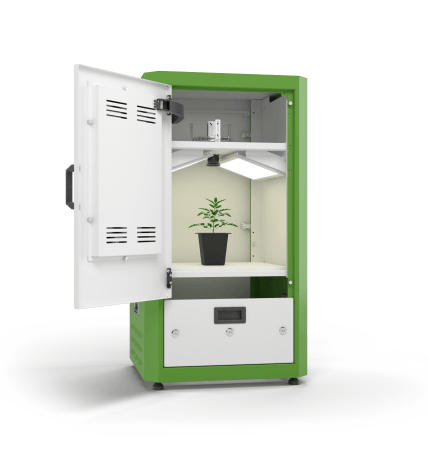
Introducing the PhenoAIxpert

Getting Transparent About Root Phenotyping 20

The PhenoAIxpert represents a remarkable advancement in root phenotyping technology, largely thanks to its innovative use of transparent containers. By seamlessly integrating advanced image processing techniques with these containers, it offers a host of benefits that revolutionise the root analysis process.

The Use and Benefits of Transparent Containers

Root Samples in Real Time

By utilising transparent containers, researchers can observe and study root growth in real time without disturbing the plant. This non-invasive analysis method ensures that a plant’s natural development isn’t accidentally affected by the analysis process.

This allows for a more accurate understanding of how it responds to changing conditions. To this end, the transparency of these containers is a critical factor in the PhenoAIxpert’s success.

Capture High-Resolution Images

It also enables researchers to capture high-resolution images of the roots in question.

These images offer precise data on:

  • root length
  • volume
  • branching patterns
  • root health
  • ability to seek water*

*This level of detail is essential for researchers seeking to comprehensively understand how plants adapt to their environment, particularly in regions like Australia, where water availability is a matter of survival for crops.

The Features and Benefits of the PhenoAIxpert

1. Advanced Image Processing

The PhenoAIxpert uses state-of-the-art image processing algorithms to extract valuable data. These algorithms can analyse root length, volume, branching patterns, and other health indicators.

2. Real-Time Monitoring

With the PhenoAIxpert, researchers can continuously monitor root growth and development. This feature is particularly beneficial for assessing the impact of water availability on root systems over time.

3. User-Friendly Interface

The PhenoAIxpert has been designed with usability and user experience in mind. Its easy-to-use interface allows both researchers and farmers to access and interpret data easily, making it a versatile tool for a wide variety of industrial and academic applications.

4. Customisation

The modern PhenoAlxpert system can be moulded to suit specific research needs and plant varieties. This adaptability ensures that researchers and farmers can collect the most relevant data for their specific applications.

Get in Touch Today to Purchase a PhenoAIxpert

Ensuring your team has the right tools is the most important step toward ensuring effective plant analysis. Without it, significant time and resources will be exhausted.

To ensure that your team, no matter the industry, can reap the rewards of root phenotyping in an increasingly competitive market, you need to acquire the PhenoAlxpert

Get in touch with the experienced team at Portable Analytical Solutions today to purchase a PhenoAlxpert for fast root phenotype analysis.