
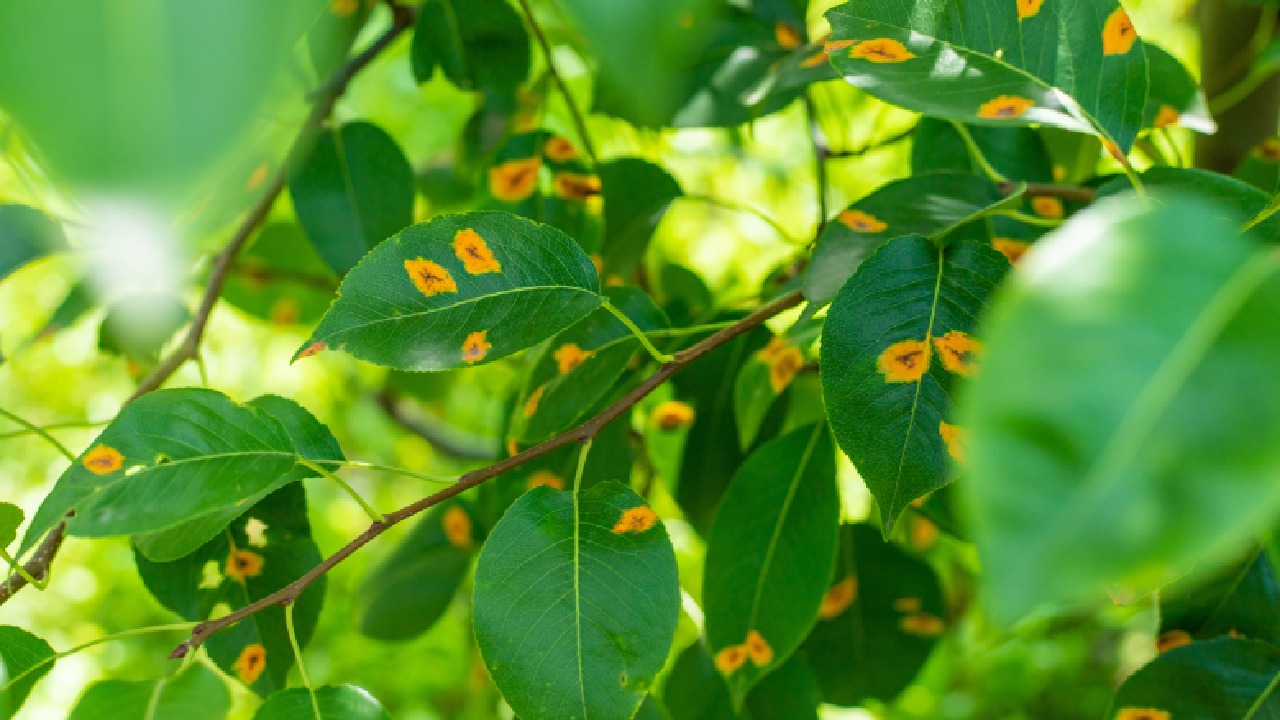
The health of our global food supply hinges on the ability to detect and manage plant diseases. The scientific study of plant diseases, known as Phytopathology, is a constant battle against pathogens like fungi, bacteria, and viruses that threaten to devastate crops.
For decades, diagnosis was a slow process, relying on visible symptoms or time-consuming, destructive lab tests.However, the rapid evolution of Plant Phenotyping—the comprehensive measurement of a plant’s physical and physiological characteristics—is changing the game.
By moving beyond what the human eye can see, phenotyping allows scientists and breeders to identify stress and disease with unprecedented speed and accuracy, often before any visual damage appears. Leading this technological revolution is the application of specialized sensors, chief among them: UV Hyperspectral Imaging (UV-HSI).
The Plant’s Silent Scream: Defense Metabolites
When a plant is attacked by a pathogen, it doesn’t just sit back and wait for a spot to appear on a leaf. It launches an immediate and complex chemical defense. This “silent scream” involves the up- or downregulation of countless compounds, known as secondary plant metabolites, that are crucial for plant survival and resistance.
Flavonoids, for instance, are one such group of metabolites that act as natural sunscreen, antioxidants, and anti-fungal agents. A plant’s defense mechanism against one type of pathogen (like a necrotroph) can be vastly different from its response to another (like a biotroph).
These distinct chemical signatures are the first sign of an interaction, often hours or days before visible symptoms like chlorosis (yellowing) or necrosis (tissue death) ever develop. The challenge is that these chemical changes are physically undetectable to the naked eye. This is where advanced phenotyping steps in.
Insight: For more on this ability of plants, refer to the research here: Sounds emitted by plants under stress are airborne and informative
UV-HSI: Seeing the Unseen Chemical Fingerprint
Hyperspectral Imaging (HSI) is a powerful phenotyping tool that captures light reflectance across hundreds of narrow bands, generating a unique “spectral fingerprint” for every pixel of an image. Traditional HSI focuses on the visible and near-infrared ranges, which primarily reveal changes in leaf pigments and cellular structure.
The breakthrough with UV Hyperspectral Imaging (UV-HSI) is its ability to extend this analysis into the ultraviolet range. The UV range is especially sensitive to the plant’s defense compounds, such as phenols and flavonoids, which absorb and reflect UV light in highly specific ways.
By using machine learning algorithms to analyse these UV spectral fingerprints, researchers can achieve several critical goals:
- Non-Destructive Measurement: Unlike chemical extraction methods, HSI scans the living plant, allowing for repeated measurements over time to monitor disease progression.
- Disease Differentiation: The technique can distinguish between two different diseases or between a biotic infection and an abiotic stressor (like nutrient deficiency). This is possible because each pathogen type triggers a unique metabolic defense response, which is reflected in its distinctive UV spectral signature.
- Accelerated Breeding: Breeders can use UV-HSI to screen thousands of plant lines rapidly, accurately identifying the most resistant genotypes to develop stronger, hardier crops for the future.
Insight: The origins of this ground-breaking technology is worth a read: History of Spectral Imaging: Pioneering Discoveries and Applications
Phenotyping in Action: Applications Across Agriculture
The quantitative and objective data provided by phenotyping is essential for creating more resilient and sustainable agricultural systems.
Examples of Common Plant Phenotyping Applications:
- Individual Plant Phenotyping: Plant performance, development, and stress studies.
- 3D Scanning: 3D imaging of plant architecture, leaves and other organs.
- Arabidopsis and seedling phenotyping: Population screen with seedlings, genotype or treatment effects, growth studies, phenotypic assessments, stress response monitoring.
- Chlorophyll fluorescence imaging: Chlorophyll Fluorescence studies, status and activity of photosystem, dynamic chlorophyll fluorescence imaging.
- Disease and stress assessments: Plant disease rating and plant health assessments, physiological phenotyping.
- Genetic reporters and biomarkers: Fluorescent biomarkers in gene expression studies.
- Samples in petri dishes: Assessment of samples in petri dishes, plant material, fungal/microbial cultures.
- MTP screening: Compound or genotype screen in MTPs, treatment effects, dose-response studies, genetic screening.
Plant Phenotyping Is Ideal To Use Across Various Agricultural Operations Including:
- Crops: By understanding how plants react to different environmental stressors, we can learn ways to prevent crop damage. Data collected on plant phenotypes can also be used to create stronger varieties of crops that are resistant to pests and disease. This information can also helps us develop more sustainable farming practices with a reduced negative impact on the environment.
- Grains: Plant phenotyping can aid in the improvement of grain quality by informing farmers about how different genotypes respond to various environmental pressures, allowing them to select varieties that are less susceptible to diseases, pests, and weather conditions. It may also help farmers learn more sustainable farming practices. As a result, they’ll have higher-quality grains with fewer defects.
- Soil: Plant phenotyping can provide farmers with valuable information about the health of their soils. By monitoring the growth and development of plants, farmers can identify problems with soil fertility or other environmental stressors that may be affecting crop yields. This information can help farmers make decisions about how to best manage their land and improve crop production.
- Viticulture: Plant Phenotyping is used in viticulture for monitoring and managing vineyards to monitor a wide range of parameters including plant growth, leaf area, chlorophyll content, water use efficiency, and fruit quality. By measuring these parameters, viticulturists and horticulturists can optimise grape production and yield, while also improving wine quality.
Insight: The quality of a great vintage starts not in the soil, demanding precise nutrient insight that only advanced UV-HSI technology can provide: How Precision Ag Is Revolutionising Vineyard Nutrition Monitoring
Tools for the Future: Lemnatec Phenotyping Systems
The implementation of these advanced techniques requires specialised hardware and software platforms capable of high-throughput, automated data collection and analysis. Systems provided by industry leaders like Lemnatec are designed to bring this laboratory-grade accuracy to greenhouses and research fields.
These tools manage the entire phenotyping workflow, from imaging and data acquisition to advanced analysis using AI and machine learning.
Products
- Lemnatec PhenoTron: a versatile instrument for a broad range of phenotyping applications in laboratories.
- Lemnatec ImageAIxpert: the universal laboratory documentation imager that reliably captures, stores and retrieves images of laboratory samples.
- Lemnatec PhenoAIxpert: the versatile phenotyping system for laboratories – your entry to the phenotyping world.
- Lemnatec Conveyor Scanalyzer: conveyor-based Scanalyzer Solutions for glasshouses, growth rooms, climate chambers, cultivation halls, or indoor farms.
- Lemnatec Growscreen Rhizo: a combined root and shoot phenotyping solution for glasshouses, growth rooms, climate chambers, cultivation halls, or indoor farms.
- Lemnatec HyperAIxpert: the most flexible multi-sensor laboratory phenotyping system for Arabidopsis, seedlings, petri dishes, MTPs, and many more sample types.
- Lemnatec SeedAIxpert: The fastest digital seed testing system measuring seed, germination, and seedling emergence quality.
- Lemnatec Canopy Scanalyzer: Canopy Scanalyzer solutions for glasshouses, growth rooms, climate chambers, cultivation halls, or indoor farms
In the fight against plant diseases, UV Hyperspectral Imaging offers an unprecedented window into the physiological defense mechanisms of a plant. By quantifying these unseen chemical responses, phenotyping empowers researchers to accelerate the development of durable, resistant crops, ensuring a more secure and sustainable future for agriculture.
Insight: This study reveals how UV Hyperspectral Imaging is used to differentiate plant diseases based on changes in defense metabolites: Hyperspectral Imaging in the UV Range Allows for Differentiation of Sugar Beet Diseases Based on Changes in Secondary Plant Metabolites
Conclusion: The Future of Precision Phytopathology and Sustainable Agriculture
The convergence of Phytopathology and Plant Phenotyping through technologies like UV Hyperspectral Imaging (UV-HSI) marks a definitive shift toward precision agriculture. By non-destructively reading the unique defense metabolite signals of plants, UV-HSI provides the speed and accuracy needed to differentiate diseases far earlier than traditional methods allow.
This capability is paramount for breeders and researchers, enabling them to rapidly screen for, select, and develop robust, disease-resistant crop varieties. Ultimately, the integration of these advanced phenotyping tools—like the comprehensive systems offered by Lemnatec—will be instrumental in minimizing crop loss, reducing the reliance on chemical treatments, and securing a more sustainable and resilient global food supply.
To explore how these cutting-edge plant phenotyping solutions can transform your research or agricultural operation, we invite you to explore our available technologies, or simply get in touch with our experts to discuss your specific needs and challenges.
Sources: