Portable analytical Solutions logo
Malvern logo

Malvern Panalytical Scientific Award 2023

Our 2023 Scientific Award is now open – and there’s a €5,000 prize for the best entry.
Entries close August 31st – you’ve still got time!

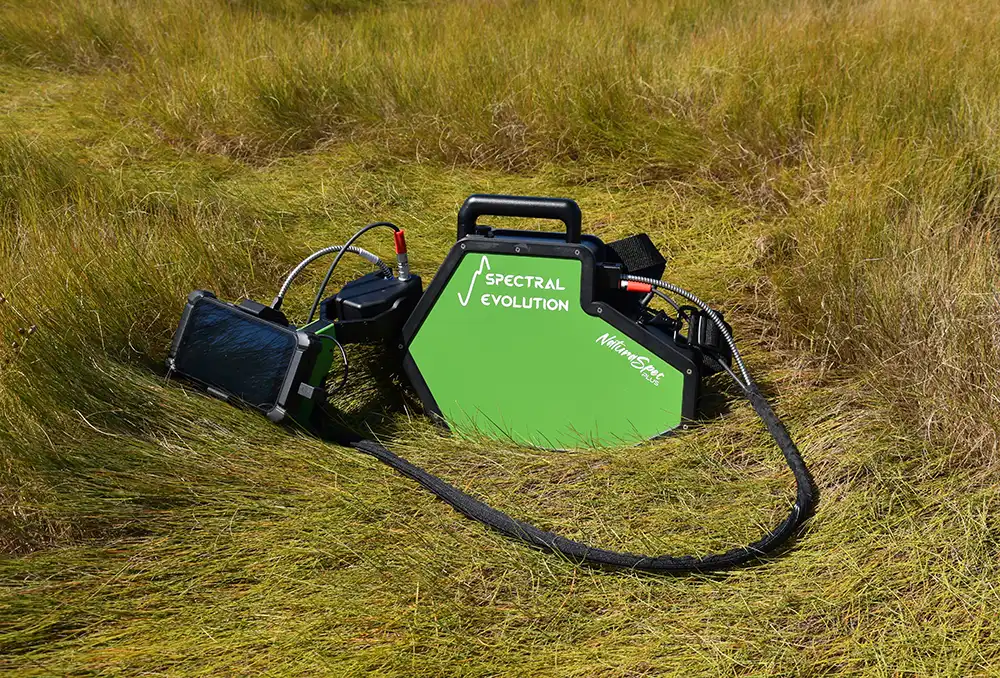
NaturaSpec Plus

Identify minerals in the field

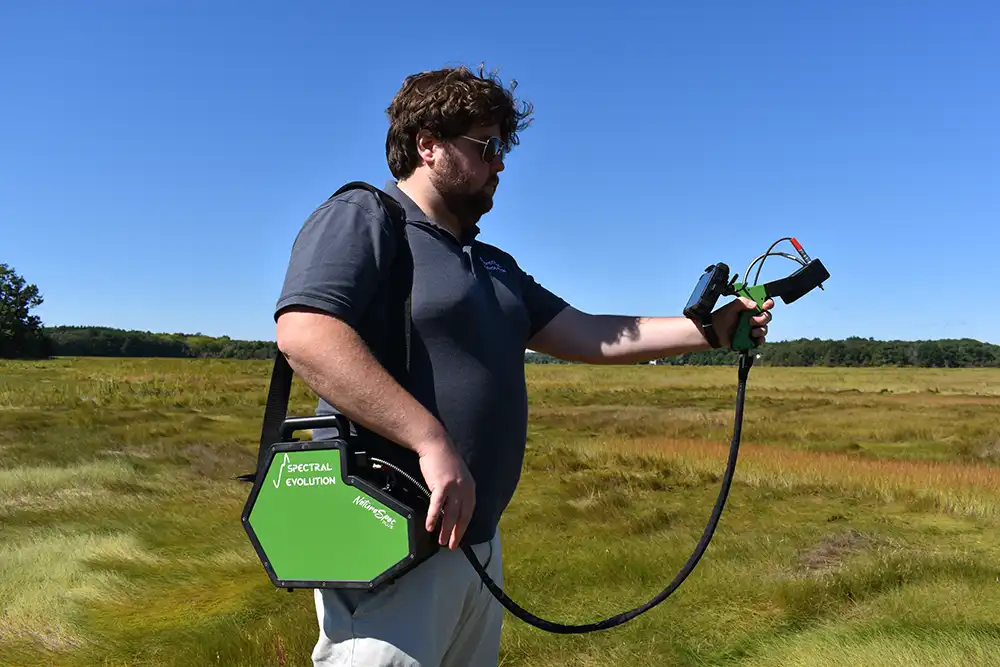
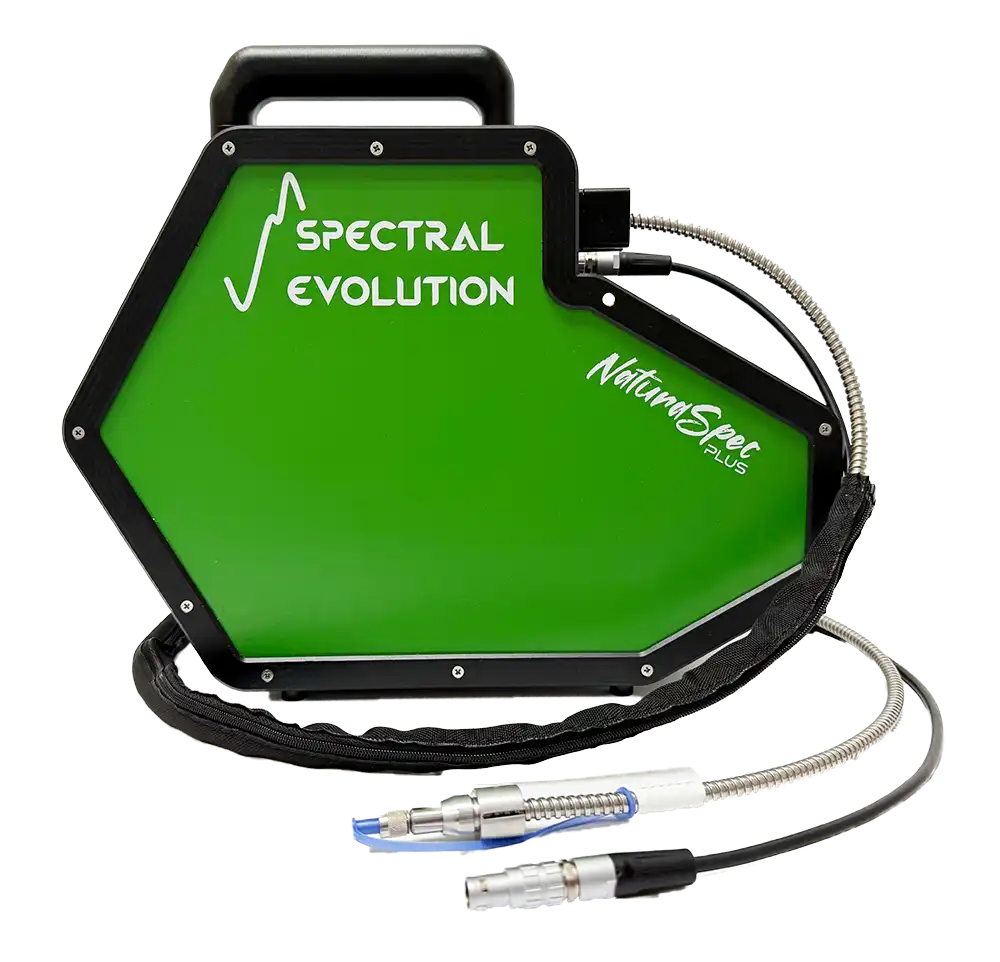
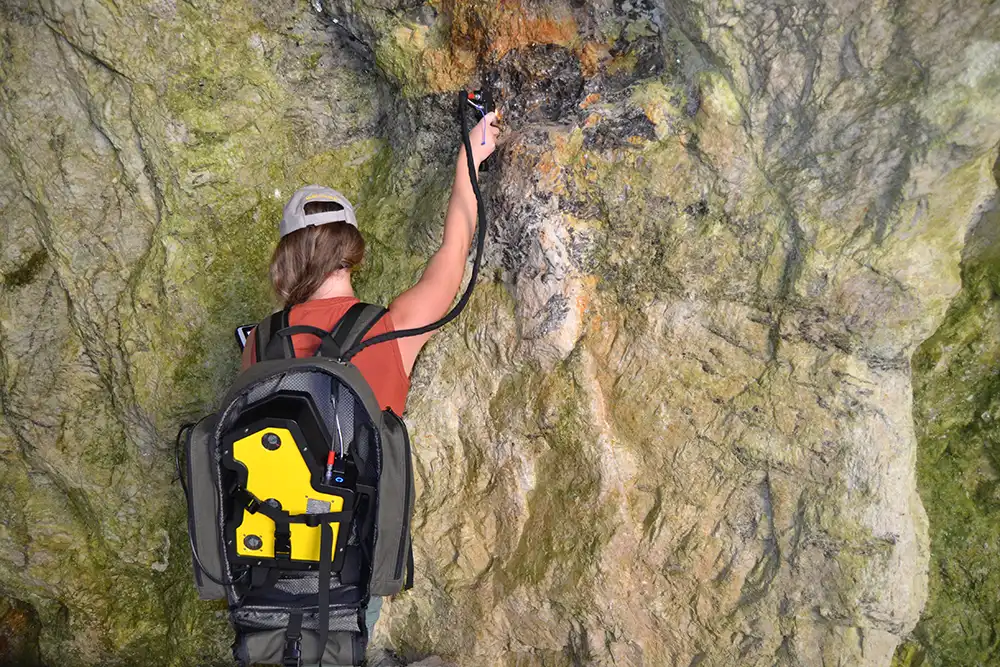
The NaturaSpec™ Plus is built for remote-sensing professionals who need complete confidence in their measurements. It removes the guesswork typically involved in determining field of view and aligning targets.

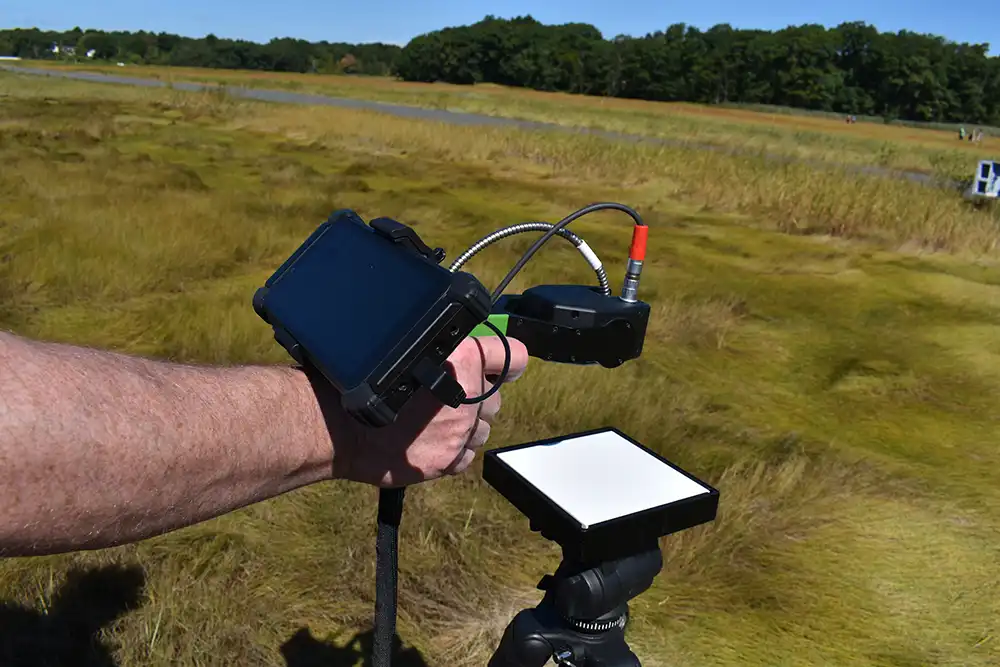
Along with spectral data, the instrument streams live video of what the fiber optic or lens attachment actually sees. Each measurement captures an image of the viewing area, plus angle, distance to the target, and GPS location.

The NaturaSpec™ Plus is the ultimate instrument to build high-resolution libraries and to push the limits of spectral analysis for remote sensing applications.

NaturaSpec Plus 1

Specifications

Spectral Range

350-2500nm

Spectral Resolution

2.7nm@700nm

5.5nm@1500nm

5.8nm@2100nm

Spectral Sampling Bandwidth (nm)

Data output in 1nm increments;

2151 channels reported

Detector(s)

1024-element UV-enhanced Si Array

512-element TE-cooled InGaAs Array

512-element extended TE-cooled InGaAs Array

Calibration

Spectral and radiometric calibration for radiance/irradiance measurements using NIST traceable sources.

Noise Equivalence Radiance

W/cm2/nm/sr

0.3×10⁻⁹ @ 400nm

0.1×10⁻⁹ @ 1500nm

2.5×10⁻⁹ @ 2100nm

Software Included

DARWin Data Acquisition

Power (volts | watts)

14.4v | 28w

Dimensions (in | mm)

317.5 x 226.1 x 86.4 (mm)

12.5 x 8.9 x 3.4 (in)

Weight (lbs | kg)

4.5kg | 9.9lbs (without internal battery)

5kg | 11lbs (with internal battery)

Interface

USB, Wireless Connection

Minimum Scan Speed

100ms

Wavelength Reproducibility (nm)

0.1nm

Wavelength Accuracy (nm)

±0.5nm bandwidth

Automatic Data

Data Optimization | One Touch Operation | Automatic Exposure | Detector Integration | Dark Current Correction

Input

1.5m fiber optic (25° field of view); optional fore optics
and optional longer fiber optic cables available

Operational temperature range (°C)

0 to 40 degrees

Maximum Radiance

VNIR 2x Solar | SWIR 10x Solar

NaturaSpec Plus 2
NaturaSpec Plus 3

Key Applications for NaturaSpec Plus

  • Vegetation studies
  • Environmental research
  • Soil analysis, mapping, and profiling
  • Ground truthing
  • Geological remote sensing
  • Solar radiance and irradiance research
  • Species identification

Speak to PAS for expert guidance about the Spectral Evolution NaturaSpec Plus.
Spectral Evolution NaturaSpec Plus

NaturaSpec Plus Features:

  • Field Swappable Internal Battery
  • Smart Power Switch
  • Quick release fiber optic mount.
  • Ergonomic grip for comfort and control by increasing support at the palm.
  • A built-in inclinometer that allows the user to monitor scan angles and notifies the user when they are at nadir, so they know it’s ok to scan.
  • A built-in camera for real-time targeting and capturing what is being scanned.
  • Ultrasonic distance sensor measures the distance from the target and automatically shows the viewer the exact target area, accounting for field-of-view.
  • Trigger activation to start a scan.
Natura Spec

RS-3500

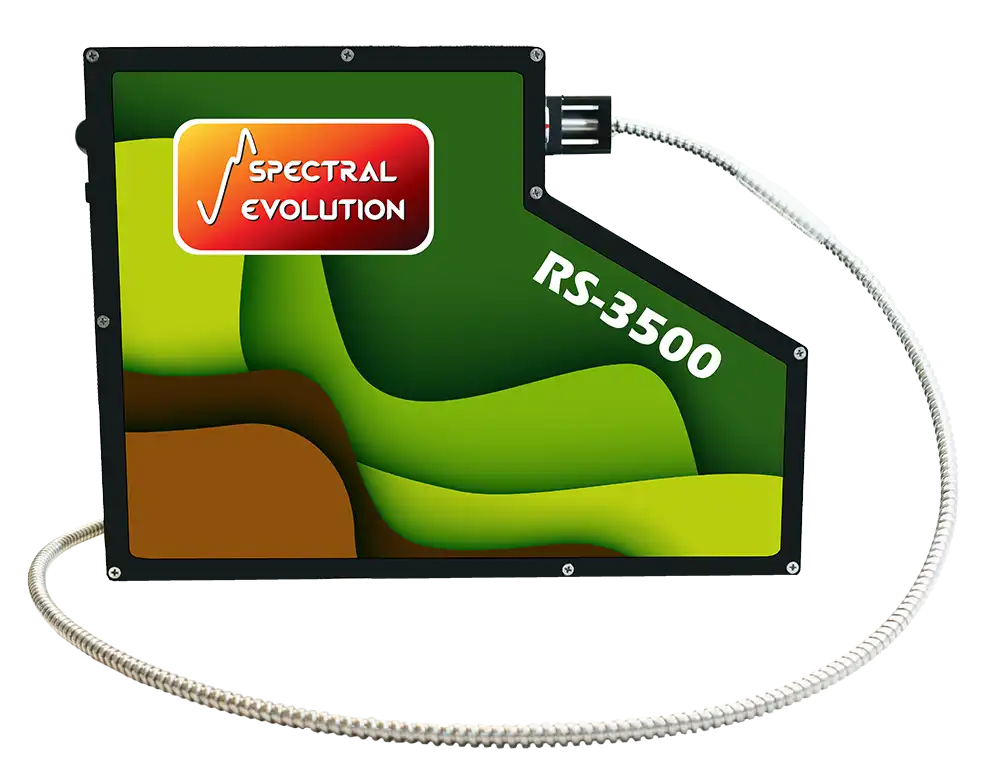
RS-3500 Spectroradiometer

Spectral Evolution – NIR

Full range, portable, fiber optic spectroradiometer for remote sensing

This high-resolution, cost-effective spectroradiometer is one of the most adaptable instruments we offer. The RS-3500 combines a 512-element silicon array with dual 256-element extended InGaAs arrays, delivering exceptional resolution across the NIR spectrum.

Spectral Evolution RS-3500

Specifications

Spectral Range

350-2500nm

Spectral Resolution

2.8nm@700nm

8nm@1500nm

6nm@2100nm

Spectral Sampling Bandwidth (nm)

Data output in 1nm increments;
2151 channels reported

Detector(s)

512-element Si Array

Two 256-element TE-cooled InGaAs Arrays

Calibration

Spectral and radiometric calibration for radiance/irradiance measurements using NIST traceable sources.

Noise Equivalence Radiance

W/cm2/nm/sr

(1.2m fiber optic)

0.8×10⁻⁹ @ 400nm

1.2×10⁻⁹ @ 1500nm

1.8×10⁻⁹ @ 2100nm

Software Included

DARWin™ SP Data Acquisition

Power (volts/watts)

7.5v, 22.5w

Dimensions (in/mm)

8.5 x 12 x 3.5 (in)

215.9 x 304.8 x 88.9 (mm)

Weight (lbs/kg)

7.3 lbs | 3.3 kg

Interface

USB, Wireless Connection

Minimum Scan Speed

100ms

Wavelength Reproducibility (nm)

0.1nm

Wavelength Accuracy (nm)

±0.5nm bandwidth

Automatic Data

Data Optimization | One Touch Operation | Automatic Exposure | Detector Integration | Dark Current Correction

Input

1.5m fiber optic (25° field of view); optional fore optics
and optional longer fiber optic cables available

Operational temperature range (°C)

0 to 40 degrees

Maximum Radiance

VNIR 2x Solar | SWIR 10x Solar

Key Applications for RS-3500

• Ground truthing
• Environmental research
• Agricultural analysis
• Ecosystem change
• Forestry & canopy research
• Glacial change & climate studies
• Atmospheric research
• Vicarious satellite sensor validation
• Water body studies
• Plant species identification
• Urban development
• Crop health
• Photosynthesis efficiency
• Irrigation assessment
• Topsoil fertility & erosion risks
• Soil degradation, mapping, & monitoring

Speak to PAS for expert guidance about the Spectral Evolution RS-3500.

Spectral Evolution RS-3500

RS-3500 Features:

  • 350-2500 nm spectral range
  • 100% diode array optics with no moving parts
  • Removable/replaceable fiber optic cable
  • Rugged anodized aluminum construction
  • Factory calibrated radiance and/or irradiance using NIST traceable source
  • Auto exposure & auto dark shutter
  • External Lithium-ion rechargeable battery
  • Wireless connectivity

oreXpert

Identify minerals in the field

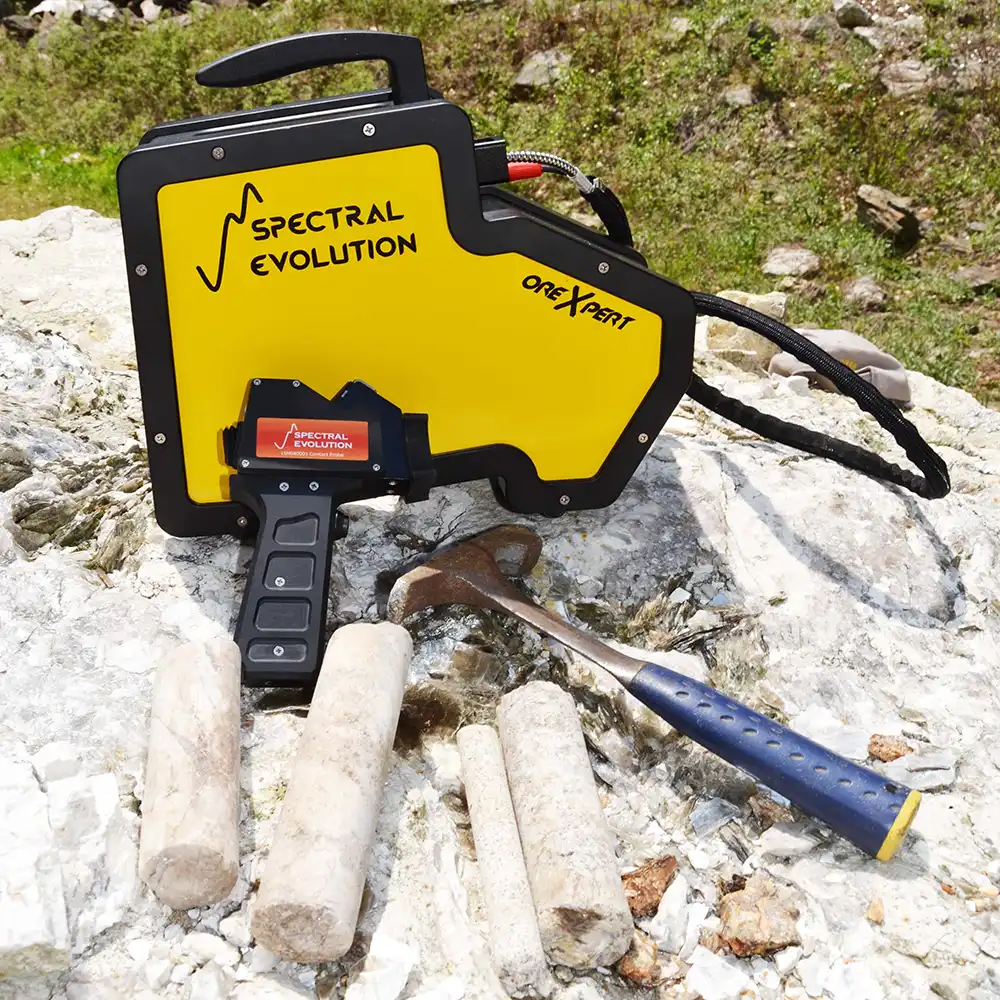
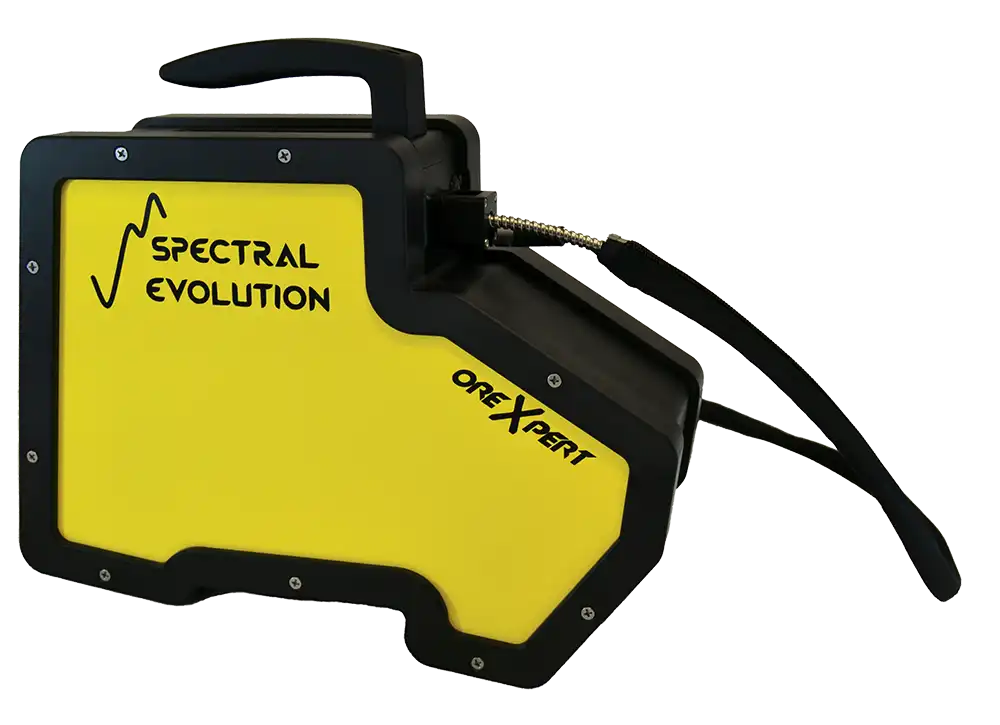
The oreXpert™ NIR field spectrometer is engineered to deliver exceptional resolution while standing up to the demanding conditions of fieldwork. Its advanced optics make it possible to detect subtle spectral features, improving mineral unmixing and the identification of trace components.

The instrument’s performance is anchored by three high-density, thermoelectrically cooled photodiode arrays, ensuring outstanding stability and ultra-high resolution in every measurement.

The oreXpert™ stands as the highest-resolution field spectrometer available, giving geologists the ability to separate overlapping spectral features and identify critical vectoring minerals in mixed samples.

oreXpert 4
oreXpert 5

Specifications

Spectral Range

350-2500nm

Spectral Resolution

1.5nm (350-1000nm)

3nm@1500nm

3.8nm@2100nm

Spectral Sampling Bandwidth (nm)

Data output reported in 1nm increments

2151 channels reported

Si Detector(s)

1024 element Si Array

(350-1000nm)

InGaAs Detectors (TE-cooled)

512 element extended wavelength array (1000-1630nm)

512 element extended wavelength array (1630-2500nm)

Dimensions (in/mm)

12.4in x 8.7in x 4.4in

315mm x 221mm x 112mm

Weight (lbs/kg)

13.5lbs (6.1kg)

Communications Interface

USB, Wireless Connection

Minimum Scan Speed

100 milliseconds

Wavelength Reproducibility (nm)

0.1 nm

Wavelength Accuracy (nm)

±0.5 bandwidth

Battery Power

External Lithium Ion | 12V

Battery Operation

Minimum 3 hour operation

Key Applications for oreXpert

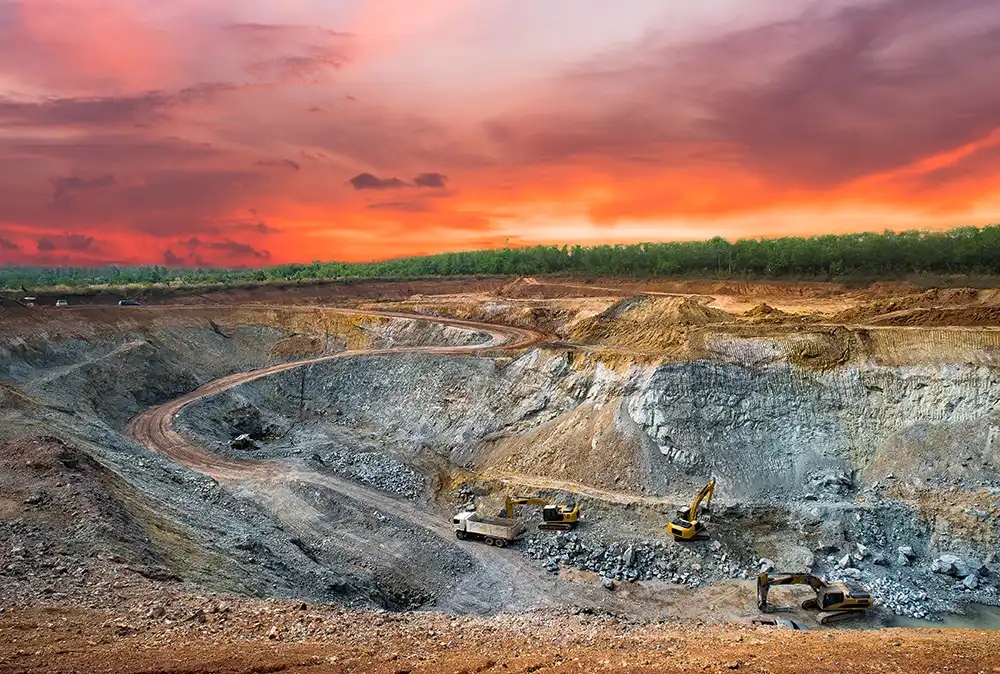
Mapping alteration zones / Vectoring to mineralization / Open-pit mapping / Analyzing outcrops, hand samples, and RC chips / Quickly analyzing drill core samples / Soil degradation, mapping, & monitoring

Speak to PAS for expert guidance about the Spectral Evolution oreXpert.

Spectral Evolution oreXpert

oreXpert features:

  • 350-2500 nm spectral range
  • 100% diode array optics with no moving parts
  • Removable/replaceable fiber optic cable
  • Rugged anodized aluminum construction
  • Auto exposure & auto dark shutter
  • Wireless connectivity
  • High signal-to-noise ratio for better reflectance values
  • Fast start-up and use, with no optimization step to start scanning or between scans
  • Collect target data with a single click
  • Lightweight lithium-ion battery for power in the field
Ore Explorer Logo

oreXpress

Identify minerals in the field

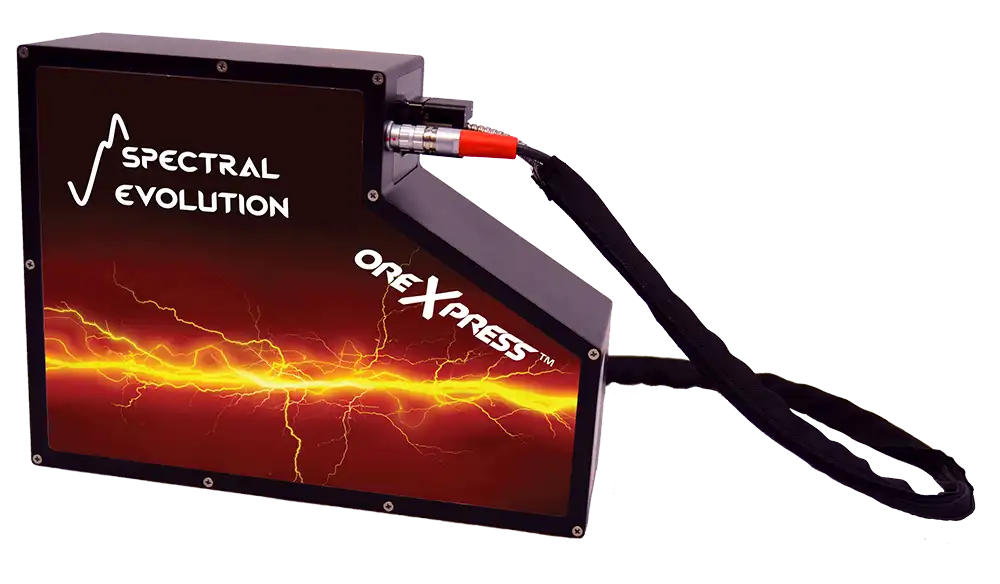
The oreXpress™ spectrometer brings the capabilities of a full-range NIR instrument directly to field geologists. It streamlines mineral identification, making the process quicker and more reliable.

Beyond on-site measurements, the oreXpress is also well suited for detailed core-shack logging. In one documented case, using the oreXpress reduced core logging time dramatically—from six hours down to just two.

The oreXpress™ delivers fast, dependable mineral identification and analysis with the resolution professionals expect. It’s a proven, durable spectrometer trusted by hundreds of geologists around the world.

Spectral Evolution oreXpress
oreXpress 6

Specifications

Spectral Range

350-2500nm

Spectral Resolution

2.8nm (350-1000nm)

8nm@1500nm

6nm@2100nm

Spectral Sampling Bandwidth (nm)

Data output reported in 1nm increments

2151 channels reported

Si Detector(s)

512 element Si Array

(350-1000nm)

InGaAs Detectors (TE-cooled)

256 element extended wavelength array (1000-1900nm)

256 element extended wavelength array (1900-2500nm)

Dimensions (in/mm)

8.5in x 12in x 3.5in

215mm x 305mm x 89mm

Weight (lbs/kg)

7.3lbs (3.3kg)

Communications Interface

USB, Wireless Connection

Minimum Scan Speed

100 milliseconds

Wavelength Reproducibility (nm)

0.1nm

Wavelength Accuracy (nm)

±0.5 bandwidth

Battery

External Lithium Ion | 7.4V

Battery Operation

Minimum 5 hour operation

Key Applications for oreXpress

Mapping alteration zones / Vectoring to mineralization / Open-pit mapping / Analyzing outcrops, hand samples, and RC chips / Quickly analyzing drill core samples / Soil degradation, mapping, & monitoring

Speak to PAS for expert guidance about the Spectral Evolution oreXpress.

oreXpress features:

  • 350-2500 nm spectral range
  • 100% diode array optics with no moving parts
  • Removable/replaceable fiber optic cable
  • Rugged anodized aluminum construction
  • Auto exposure & auto dark shutter
  • Wireless connectivity
  • High signal-to-noise ratio for better reflectance values
  • Fast start-up and use, with no optimization step to start scanning or between scans
  • Collect target data with a single click
  • Lightweight lithium-ion battery for power in the field
Ore Explorer Logo

oreXplorer

Identify minerals in the field

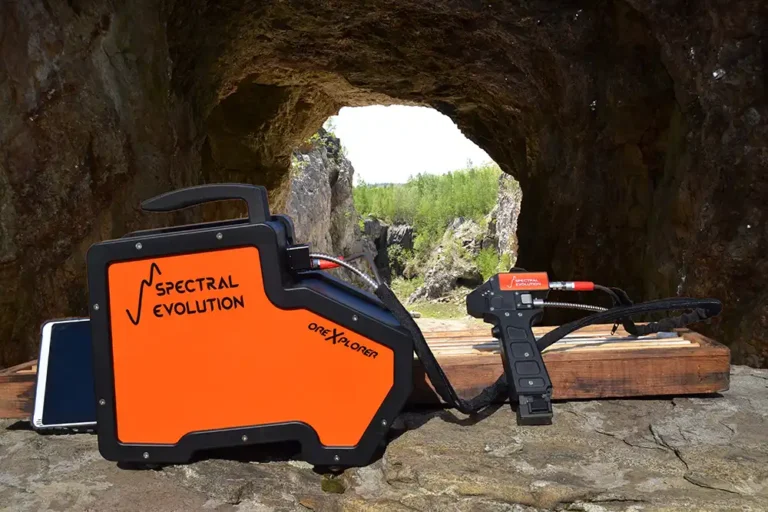
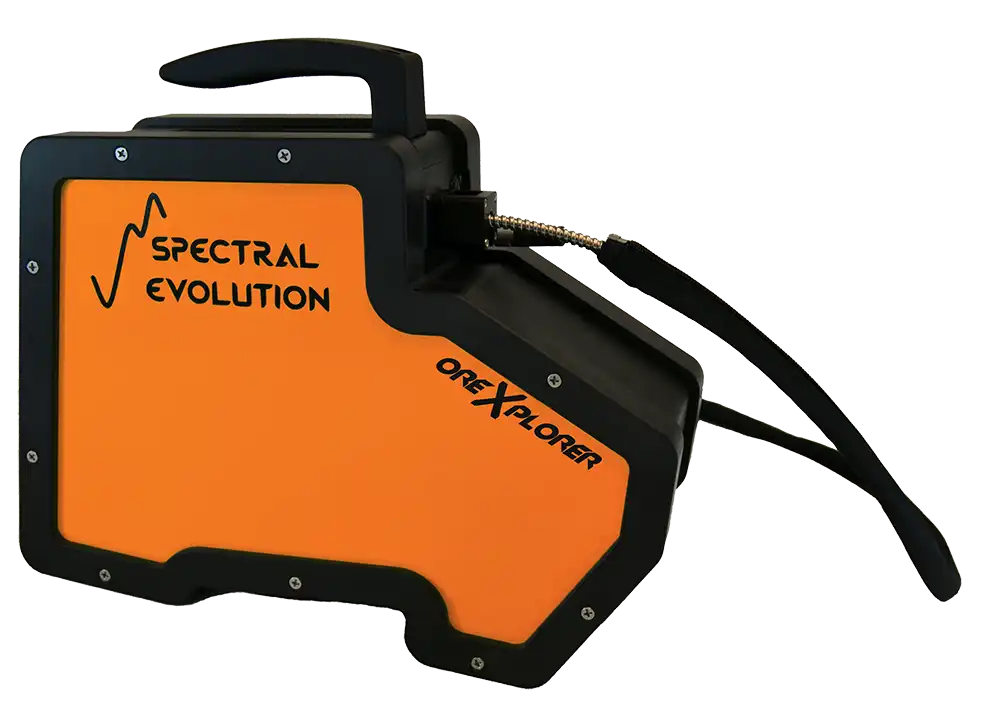
The oreXplorer is built specifically for demanding field conditions, featuring a durable housing, solid-state optical design with no moving parts, and a tough, metal-sheathed fiber-optic cable that can be easily replaced onsite.

Its streamlined operation includes single-button measurement with automatic dark-current correction and exposure adjustment.

The oreXplorer delivers higher resolution and sensitivity to identify hard-to-unmix minerals. An essential tool for vectoring purposes. The new industry standard for mineral analysis.

oreXplorer 7
oreXplorer 8

Specifications

Spectral Range

350-2500nm

Spectral Resolution

2.7nm (350-1000nm)

5.5nm@1500nm

5.8nm@2100nm

Spectral Sampling Bandwidth (nm)

Data output reported in 1nm increments

2151 channels reported

Si Detector(s)

1024 element Si Array

(350-1000nm)

InGaAs Detectors (TE-cooled)

512 element extended wavelength array (1000-1630nm)

512 element extended wavelength array (1630-2500nm)

Dimensions (in/mm)

12.4in x 8.7in x 4.4in

315mm x 221mm x 112mm

Weight (lbs/kg)

13.5lbs (6.1kg)

Communications Interface

USB, Wireless Connection

Minimum Scan Speed

100 milliseconds

Wavelength Reproducibility (nm)

0.1 nm

Wavelength Accuracy (nm)

±0.5 bandwidth

Battery

External Lithium Ion | 7.4V

Battery Operation

Minimum 3 hour operation

Key Applications for oreXplorer

Mapping alteration zones / Vectoring to mineralization / Open-pit mapping / Analyzing outcrops, hand samples, and RC chips / Quickly analyzing drill core samples / Soil degradation, mapping, & monitoring

Speak to PAS for expert guidance about the Spectral Evolution oreXplorer.

Spectral Evolution oreXplorer

oreXplorer features:

  • 350-2500 nm spectral range
  • 100% diode array optics with no moving parts
  • Removable/replaceable fiber optic cable
  • Rugged anodized aluminum construction
  • Auto exposure & auto dark shutter
  • Wireless connectivity
  • High signal-to-noise ratio for better reflectance values
  • Fast start-up and use, with no optimization step to start scanning or between scans
  • Collect target data with a single click
  • Lightweight lithium-ion battery for power in the field
Ore Explorer Logo

ASBpro Handheld Asbestos Analyser

ASBpro Handheld Asbestos Analyser

PAS Scientific – NIR

Because You Need Answers On Site, Right Now.

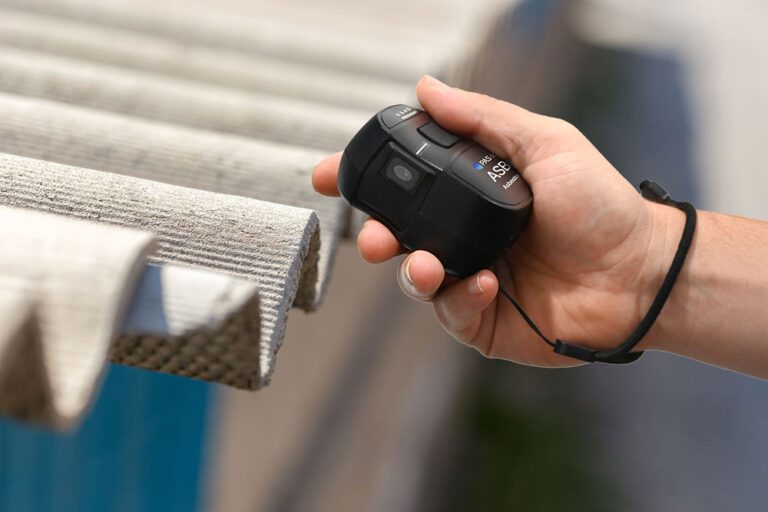
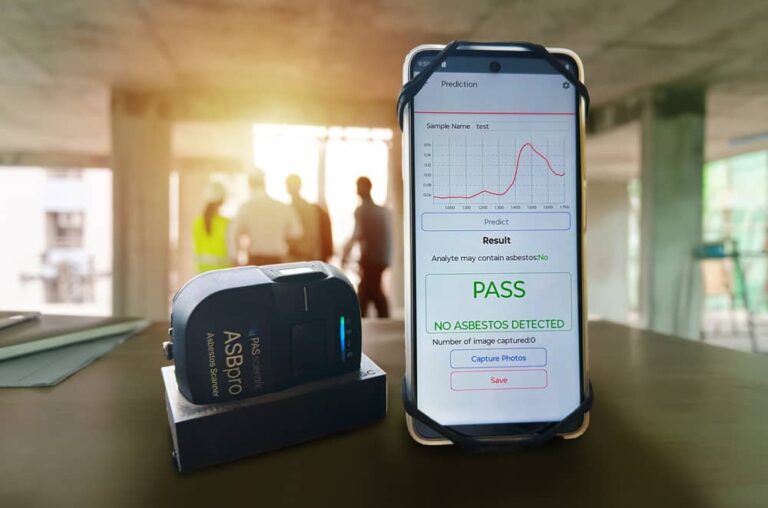
The ASBpro handheld asbestos analyser combines cutting-edge spectroscopy with an easy-to-use design to provide quick, on-site asbestos identification with confidence.

Forget about preparing samples or trying to match photos with test results. The ASBpro allows you to scan, save, and sync everything from asbestos IDs to images, all in one system.

ASBpro Handheld Asbestos Analyser 10
ASBpro Handheld Asbestos Analyser 11

Built for the Field. Proven Across Sectors.

Whether you’re handling emergency situations or routine inspections, ASBpro delivers dependable, on-the-spot asbestos detection when and where it’s needed most.

  • Rapid Response
    Quickly screen for suspected asbestos in dumped materials without delay.
  • Automative & Shipping
    Identify asbestos in components like brakes, clutches, and gaskets—before they move through the supply chain.
  • Customs & Border Control
    Perform real-time checks on imported goods to ensure regulatory compliance.
  • Waste Management & Recycling
    Screen incoming loads and reduce contamination risk at the source.
  • Building Inspections & Demolition
    Detect asbestos-containing materials before site work begins or samples are sent to a lab.
  • Emergency Response
    Conduct large-scale asbestos assessments following bushfires, floods, or structural collapse.

Key Applications for ASBpro

Environmental / Waste Management / Construction / Government Regulation

Speak to PAS for expert guidance about the PAS Scientific ASBpro.

ASBpro Handheld Asbestos Analyser 12
A handheld asbestos detector and a smartphone displaying a PASS result for an asbestos test sit on a table at a construction site, with three blurred people in safety gear ensuring asbestos safety in the background.
ASBpro Handheld Asbestos Analyser 13
ASBpro Benefits:
  • Detects asbestos in seconds with unmatched accuracy
  • Captures evidence with onboard photo tagging
  • Weighs only 150g and fits in your palm
  • Generates full reports directly from the device
  • Rechargeable with long battery life
  • Remote data transfer over internet connection*

*mobile data or Wi-Fi access required

ASBpro Handheld Asbestos Analyser 14

Hyperspec NIR

Hyperspec NIR

Headwall PhotonicsSpectral Imaging

Headwall Photonics – Spectral Imaging

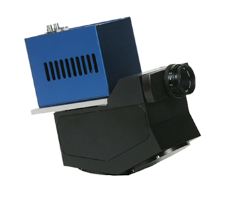
The Headwall Photonics Hyperspec NIR imaging spectrometers offer an exceptional imaging performance in the near-infrared (NIR) and cover a spectral range from 900nm to 1700nm. Depending on the desired frame rate and interface type, these spectrometers are available in two different configurations.

Hyperspec NIR imaging spectrometers are designed with a completely reflective concentric optical system featuring an f/2.0 aperture. The system includes aberration correction and is housed in a lightweight package, which is optimised for use in harsh environments.

Hyperspec NIR is available in two versions, both providing 320 spatial bands and 166 spectral bands. The R-Series version features Base CameraLink connectivity, while the X-Series version utilises USB connectivity for versatile data transfer options.

Hyperspec NIR 16

The Headwall Photonics HyperSpec NIR is a powerful tool that features:

  • The Hyperspec NIR sensors feature a compact and rugged design, ensuring durability and stability while offering a wide field of view and low scatter or stray light.
  • With 320 spatial bands and 166 spectral bands, the sensors deliver an extremely high signal-to-noise ratio for enhanced image quality.
  • Hyperspec NIR is available in two versions: the R-Series with Base CameraLink connectivity and the X-Series with USB connectivity, both providing high-resolution image capture.
  • Constructed using a completely reflective concentric optical design with an f/2.0 aperture, Hyperspec NIR ensures aberration-corrected imaging in a lightweight and durable package that is optimised for harsh environments.
  • Cost-effective deployment is possible with Hyperspec NIR, enabling efficient use of resources.

How To Apply The Headwall Photonics HyperSpec NIR
Mining and Exploration / Machine Vision / Remote Sensing / Waste Recycling

Speak to PAS for expert guidance on Hyperspectral Imaging options from Headwall Photonics.

microPHAZIR AS

microPHAZIR AS
Asbestos Analyser

Thermo Fisher Scientific – NIR

NOTE: The MicroPHAZIR AS was discontinued by Thermo Fisher Scientific in December 2024. PAS recommends the ASBpro by PAS Scientific.

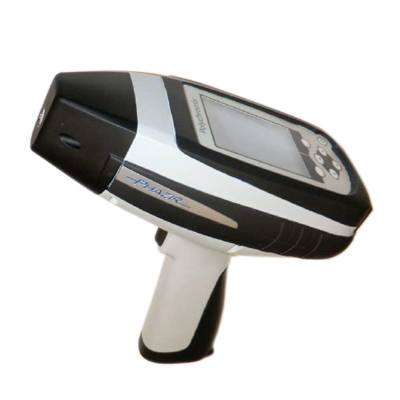
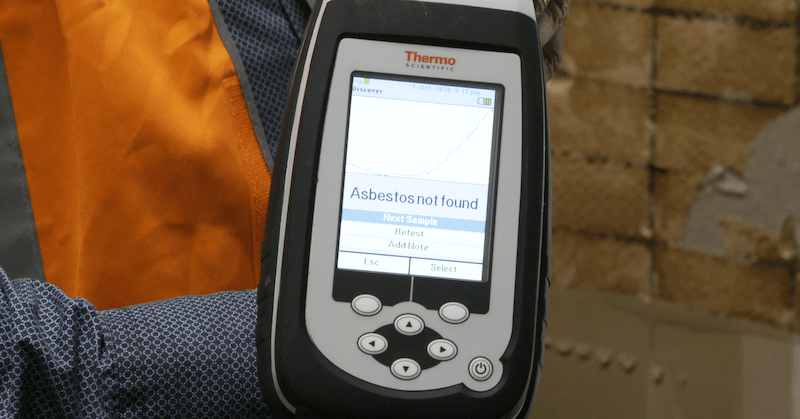
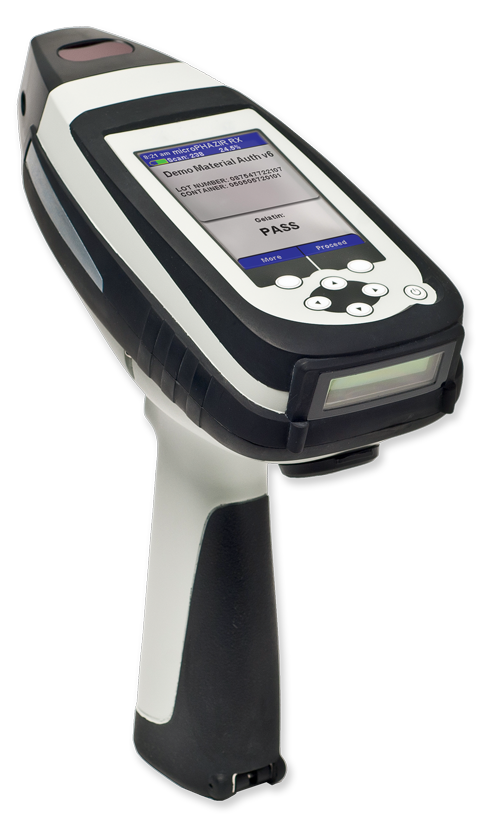
The microPHAZIR AS enables powerful, in-field rapid screening and identification of six types of regulated asbestos fibres using non-destructive analysis through NIR technology.

MicroPHAZIR AS Asbestos Analyser
microPHAZIR AS 17

Fast, accurate asbestos detection saves lives.

The microPHAZIR AS enables powerful, in-field rapid screening and identification of six (6) types of regulated asbestos fibres using non-destructive analysis through NIR technology.

Currently, asbestos detection is limited to accredited lab-based analysis such as polarised light microscopy, transmission electron microscopy and x-ray diffraction. These lab-based tests can be costly and time consuming.

Portable Analytical Solutions is proud to bring this critical solution for portable asbestos analysis to the competitive construction, environment and waste management industries.

  • Weighs 1.25kg
  • Point and shoot operation
  • Results in under 10 seconds, stored on-board until later download
  • Reliable analysis of 6 types of asbestos fibres

Key Applications for microPHAZIR AS

Environmental / Waste Management / Construction / Government Regulation

Speak to PAS for expert guidance about the Thermo Fisher microPHAZIR AS.

MicroPHAZIR device
MicroPhazir PC Side Shot
MicroPHAZIR AS Benefits:
  • Achieve real time, reliable decisions, on site
  • Avoid costly unnecessary shutdowns and business interruption
  • Empower non-experts to perform safe testing for immediate feedback
  • Exercise duty of care for workers, the public and environment
  • Short term ROI Recovery by avoiding costly errors

Growscreen Rhizo

Lemnatec™ Growscreen Rhizo

Portable Analytical Solutions

growscreen rhizo

A combined root and shoot phenotyping solution for glasshouses, growth rooms, climate chambers, cultivation halls, or indoor farms

Challenges in root phenotyping

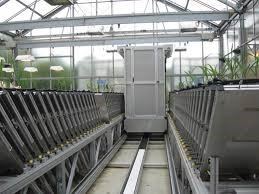
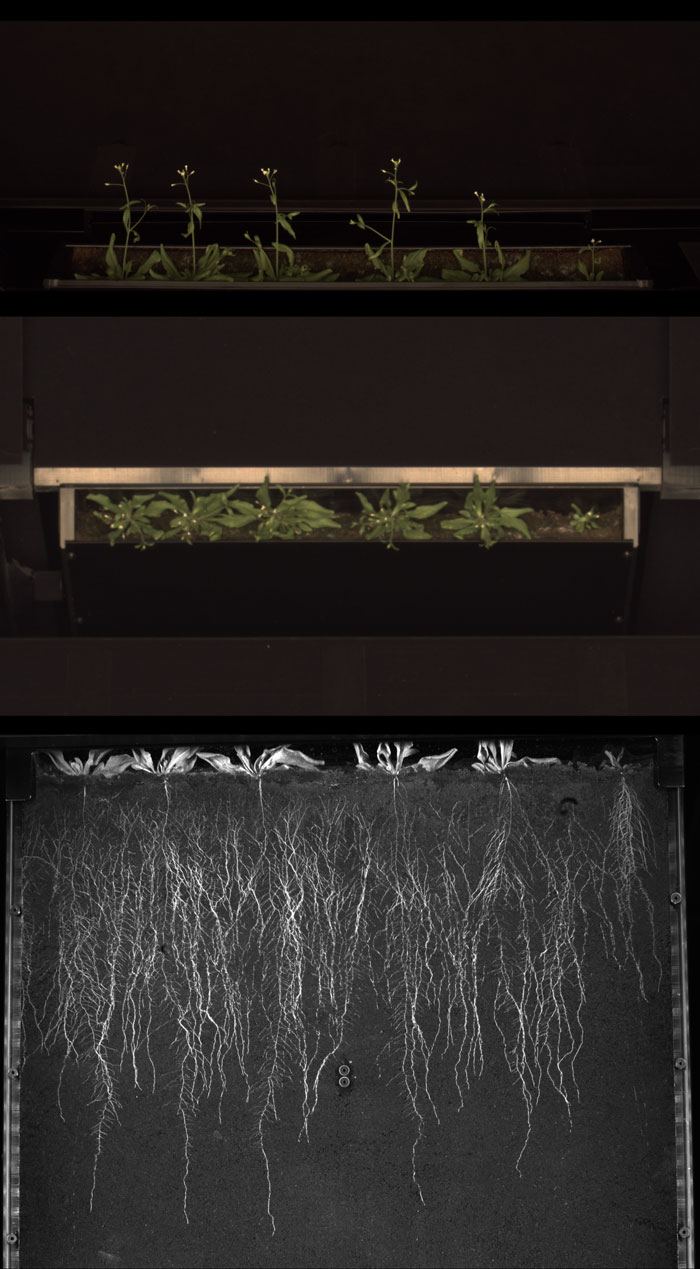
While most phenotyping solutions focus on above-ground traits of the plants, roots are usually hidden in soil and thus not accessible to measurements. To make them visible, specific cultivation measures are available. The Growscreen Rhizo uses soil-filled rhizoboxes placed at 45° angle that have a transparent plate where roots are visible for image recording. In collaboration with and under licence of the Forschungszentrum Jülich, LemnaTec offers the Growscreen Rhizo as combined root-and shoot- phenotyping system. Core component is an image acquisition cabinet with high-resolution cameras focused on the roots and the shoots of the plants. Thereby, classical shoot imaging is done simultaneously with precision root imaging. The cabinet is also equipped with dedicated illumination to enable optimal image recording.

Advantages of Growscreen Rhizo

We offer an automated root and shoot phenotyping system for soil-based systems that is superior to other methods that use artificial media for plant growth.

  • Roots in soil – no artificial media required
  • Soil-filled rhizoboxes at 45° angle
  • Non-destructive – access to roots without digging or washing
  • Time-course studies
  • Root- and Shoot data for each plant
  • High-resolution root imaging
  • High-resolution shoot imaging
  • Advanced analytical software, machine learning algorithms available
  • Weighing and watering option
  • Automation options

Technological features

Roots and shoots of the growing plants are imaged with industry-grade high-resolution cameras, combined with advanced light technology that allows reflection-free image recording.

A balance and water supply system can be mounted for precise control of soil water content, enabling growth scenarios with different water availability.

Automation technology is available to move in and out the rhizoboxes so that experiments with repeated time-course measurements can be planned. Automation can be done with conveyer-based systems or with magazine automation technology, depending on the local requirements.

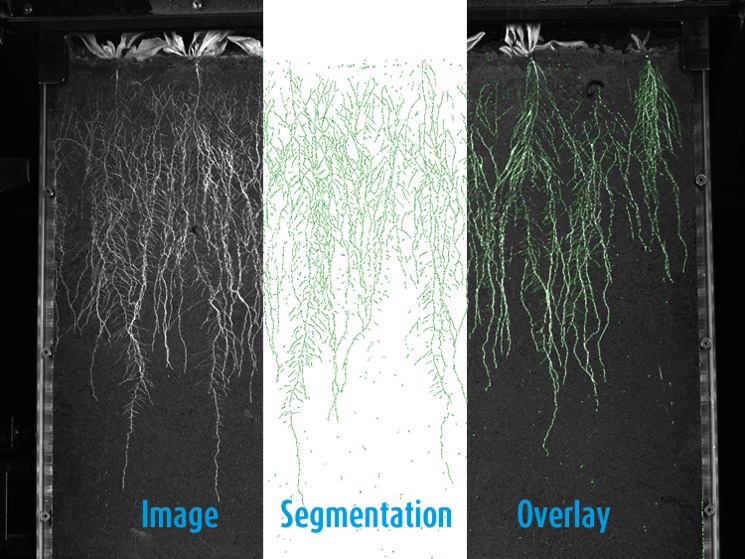
Software tools give access to shoot- and root- phenotypic traits such as growth and morphology. Root systems are characterised for root system depth and width and for spatial root distribution, together with root length and width data, rooting angles or total root area. Shoot systems are analysed for height, width, area, and morphological factors, together with colour data.

We recommend to record environmental data in the plant growth area, such as temperature, light, or air humidity. We offer recording systems that store the environmental data together with the phenotypic data of the corresponding plants.


For more details, download the brochure

growscreen rhizo segmenting
growscreen rhizo Arabidopsis compositionf

For more details, download the brochure

Canopy Scanalyzer

Lemnatec™ Canopy Scanalyzer

Portable Analytical Solutions

growth chamber canaopy scanalyzer
industrial greenhouse

Canopy Scanalyzer solutions for glasshouses, growth rooms, climate chambers, cultivation halls, or indoor farms

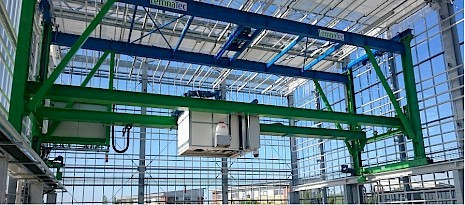
Automated high-throughput Canopy Scanalyzers combine rapid automated data recording with advanced analytical software and machine learning.

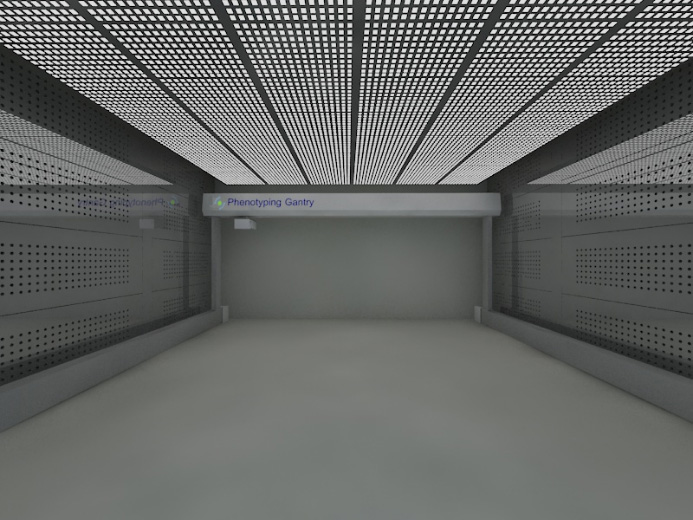
LemnaTec is the global specialist for automated Scanalyzer Solutions that not only save time and labour, but also provide a much broader base of information compared to visual scoring. The Canopy Scanalyzer technology is dedicated to users who work with ground-standing plants – directly in soil, in containers, or pots – that are not movable, or not intended to move. The sensor-to-plant system records imaging data from above the plants, and usually delivers data on plant canopies rather than on individual plants.

  • Sensor to plant
  • Sensors mounted on gantry structure that moves across plant area
  • Fixed plant positions
  • Broad range of imaging and sensing modules
  • Dedicated optics and illumination
  • Available for a range of dimensions
  • Sensing equipment in a sensor bay mounted on the gantry or sensor exchange system

We recommend to record environmental data in the plant growth area, such as temperature, light, or air humidity. We offer recording systems that store the environmental data together with the phenotypic data of the corresponding plants.


For more details, download the brochure