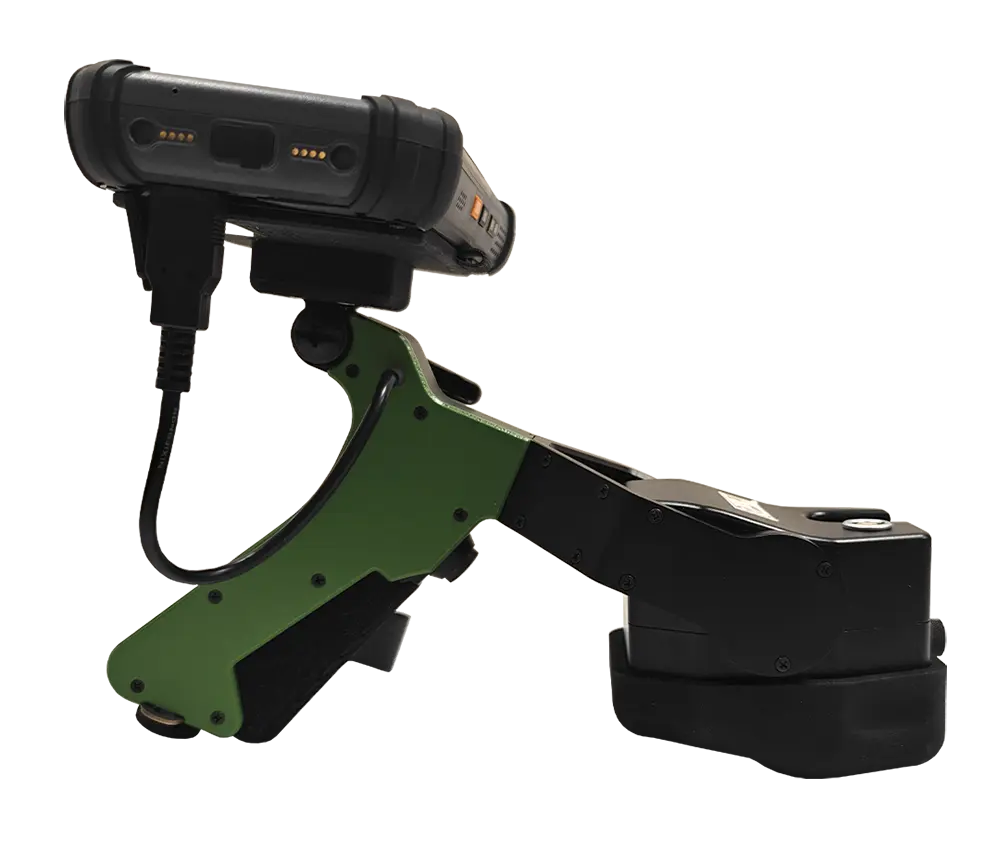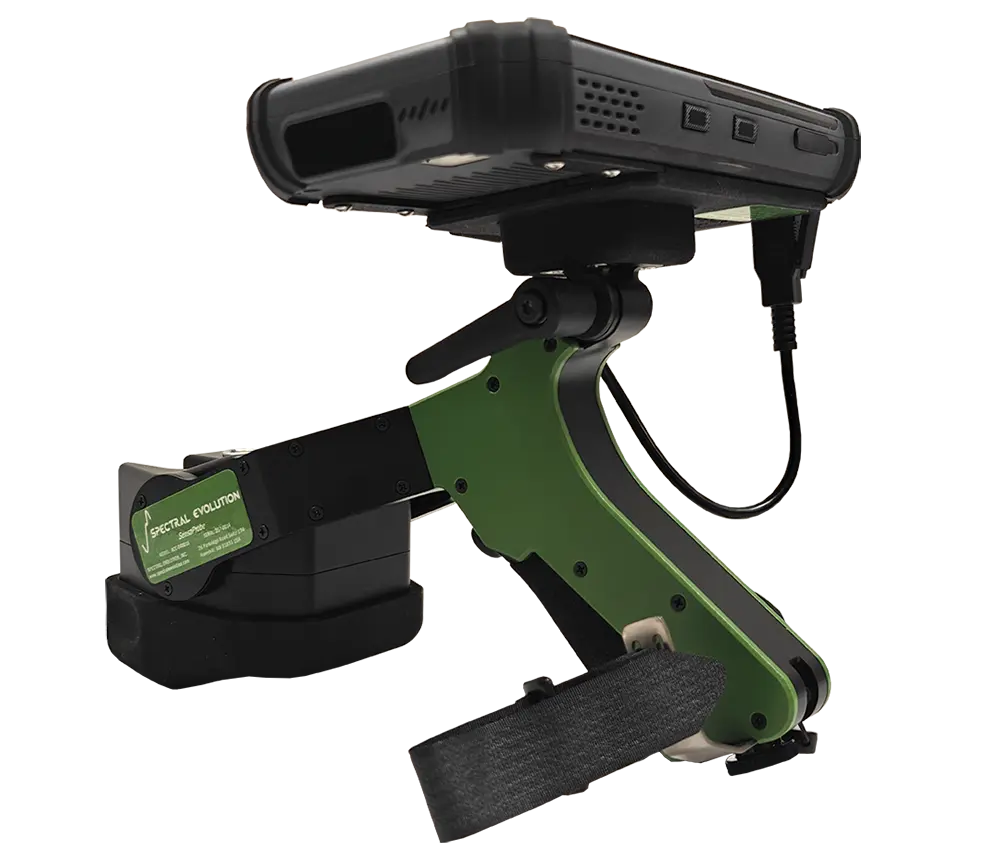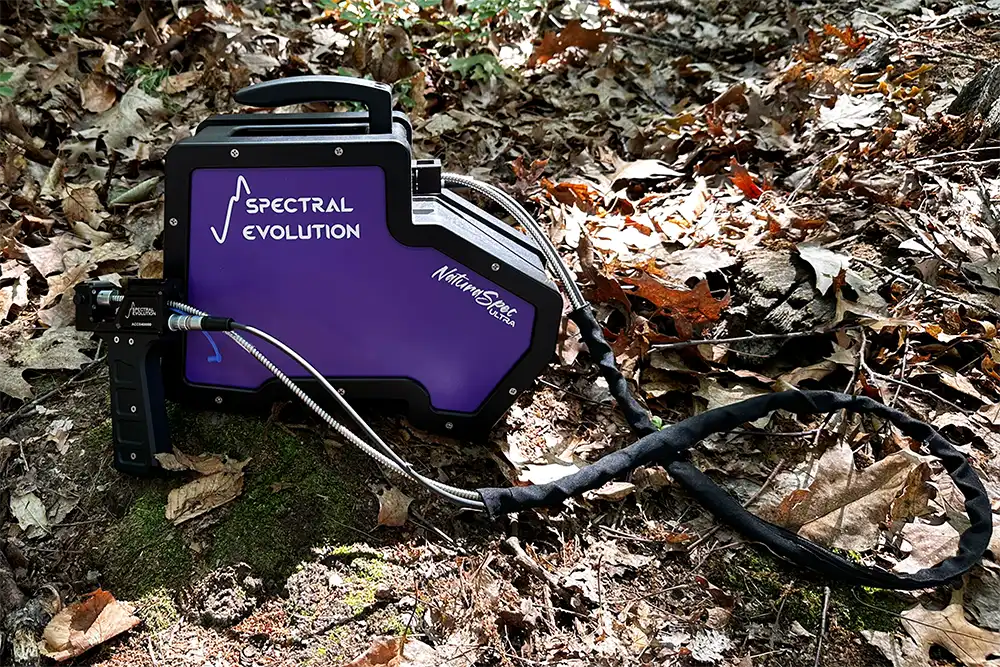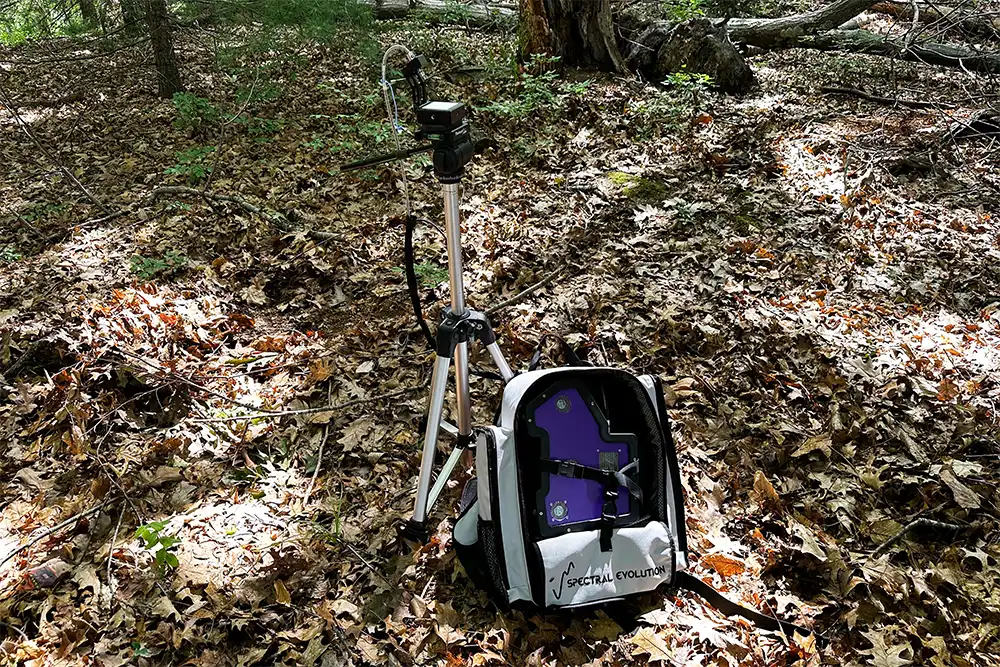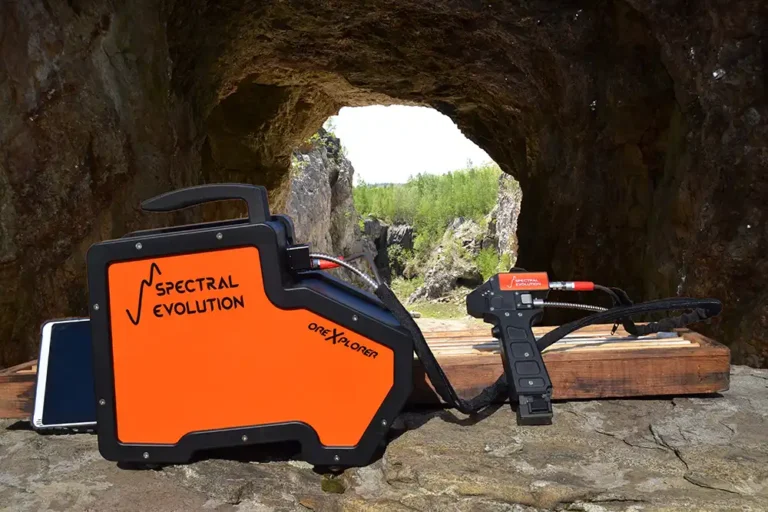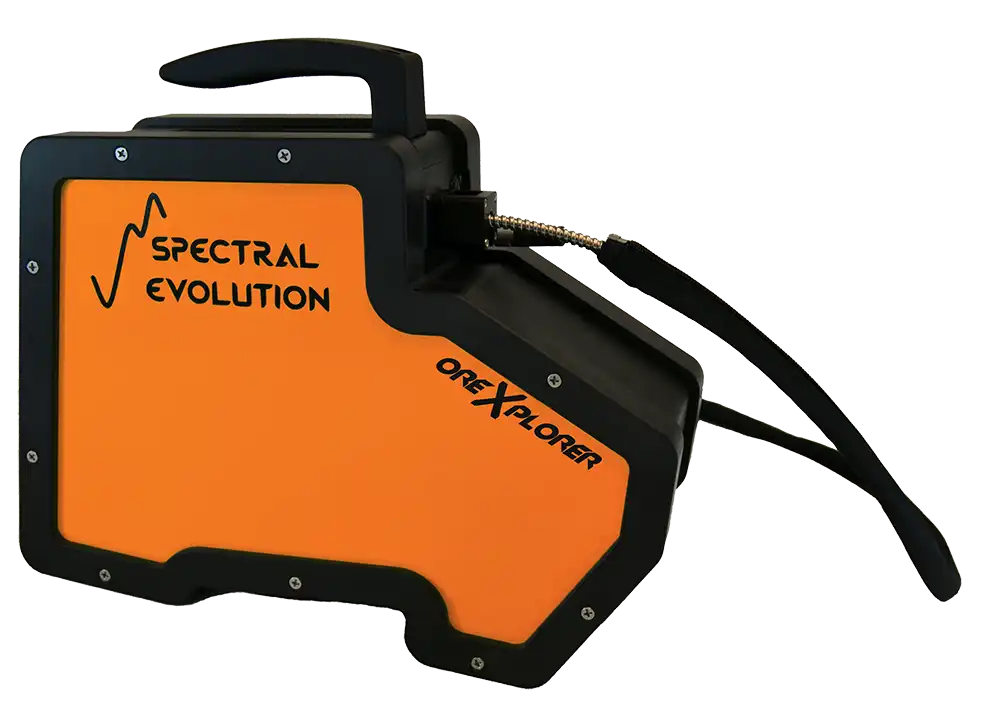

Sensaprobe™ with Built-In Camera
Spectral Evolution – NIR
Real-Time Visual Targeting for Reliable Field Data
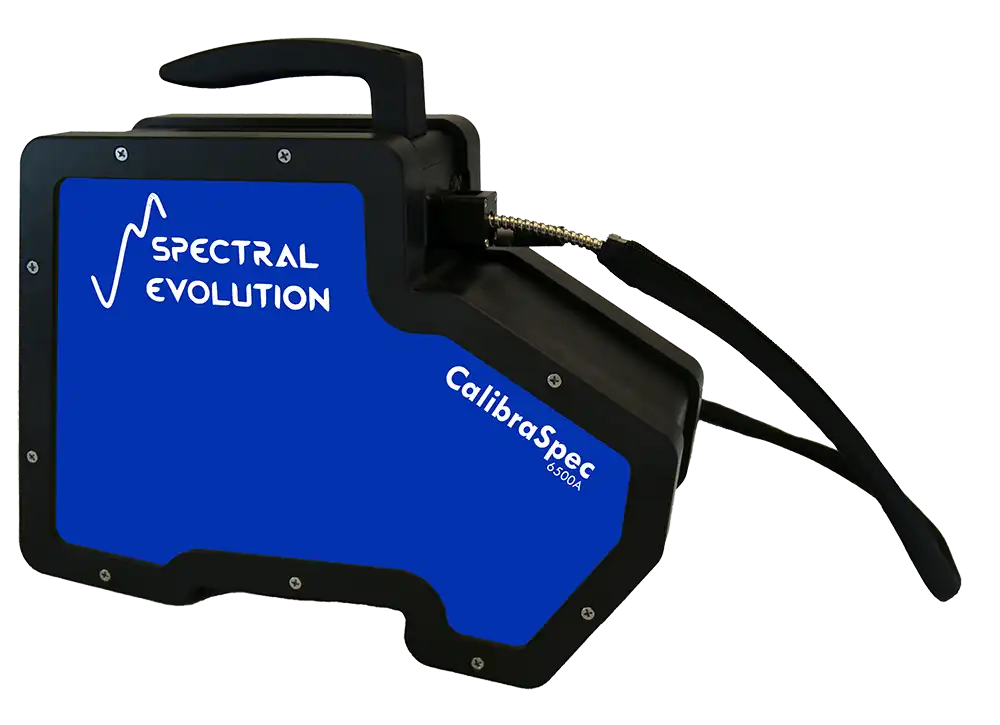
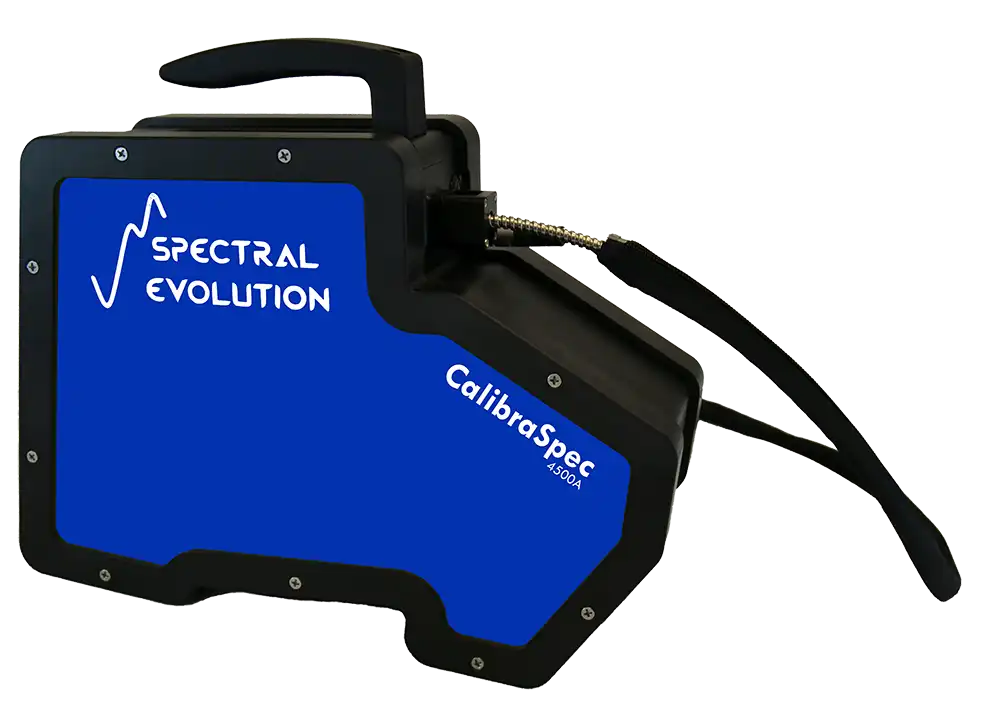
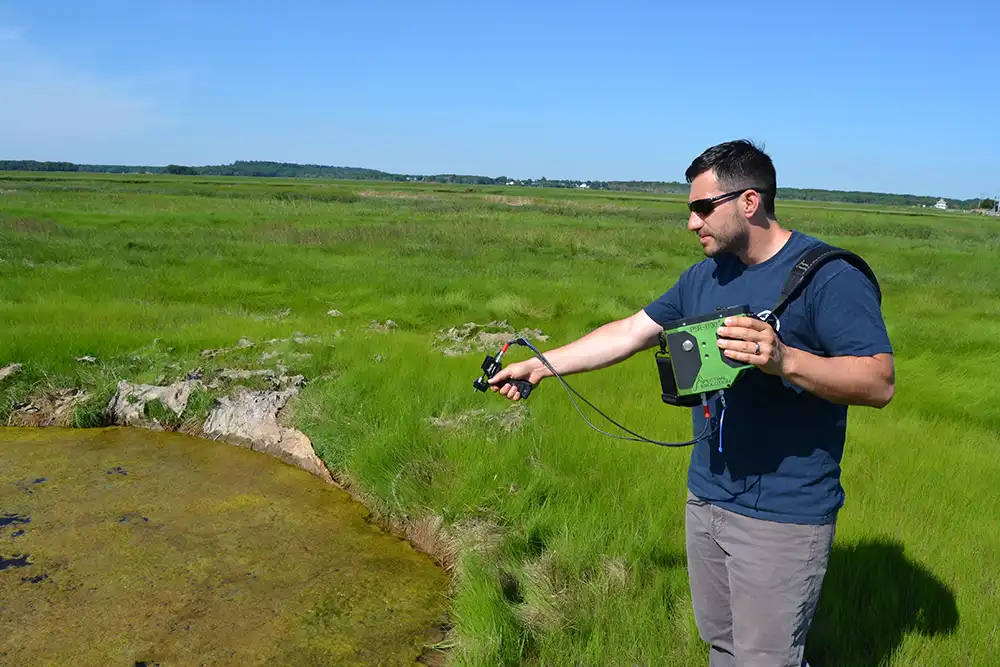
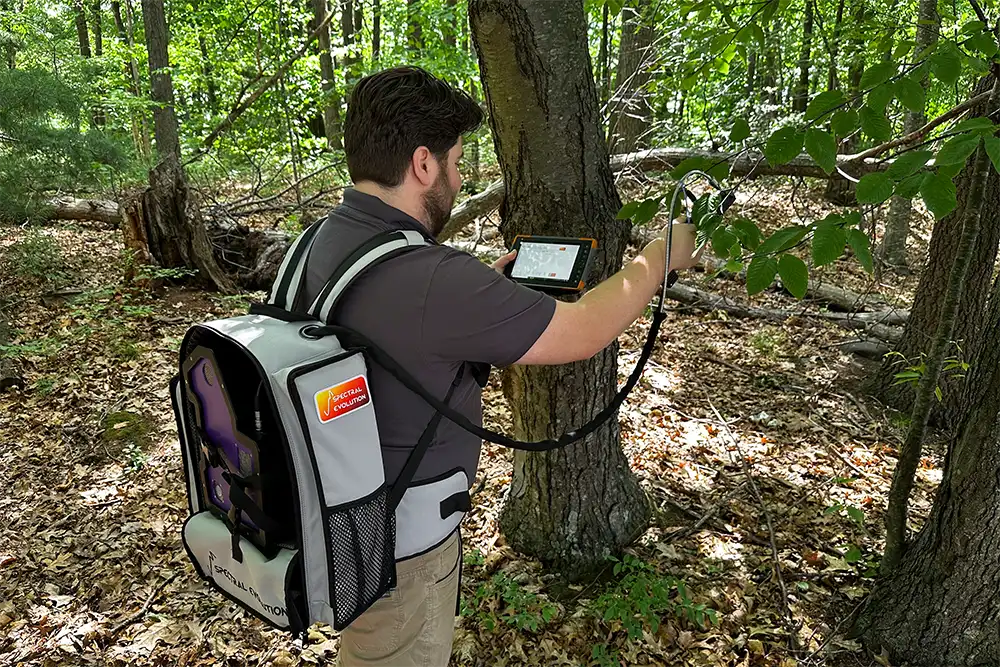
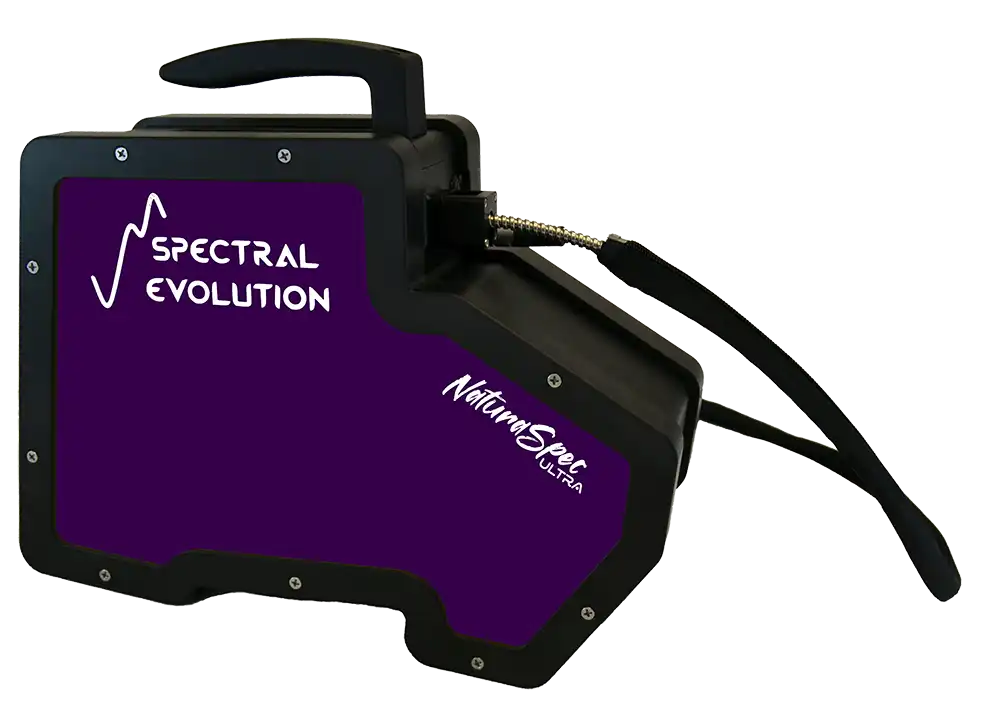
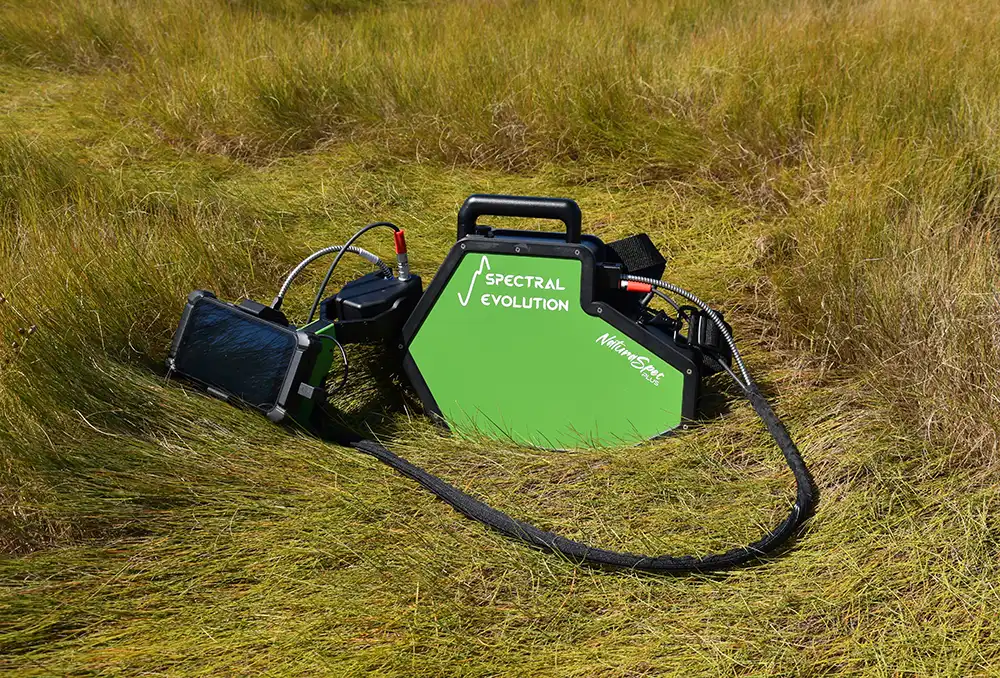
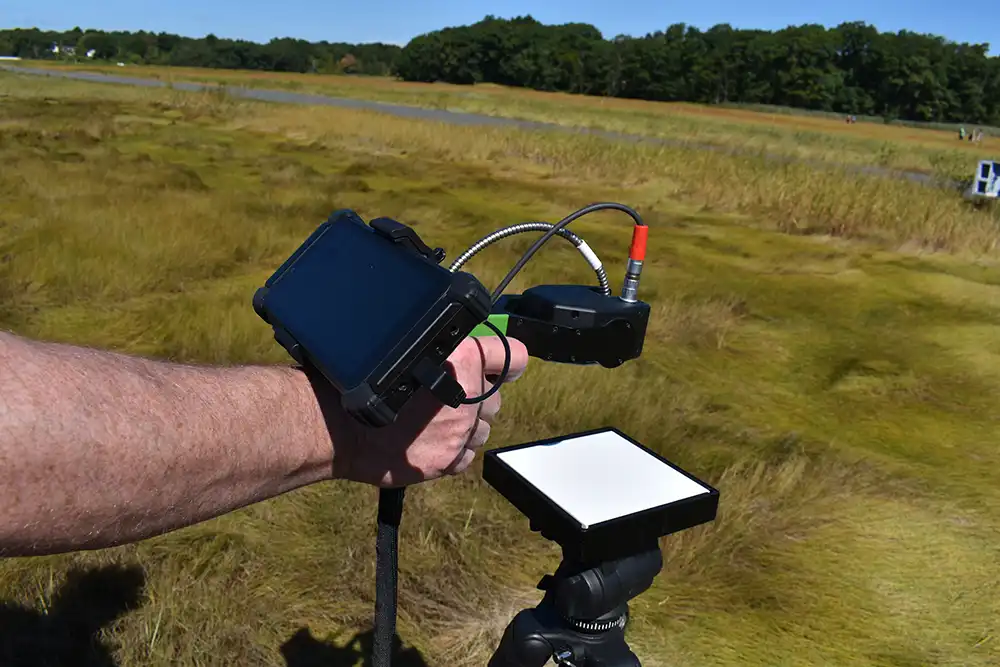
The Sensaprobe wirelessly connects to Spectral Evolution spectroradiometers using Bluetooth, enabling full system control from a tablet attached directly to the device.
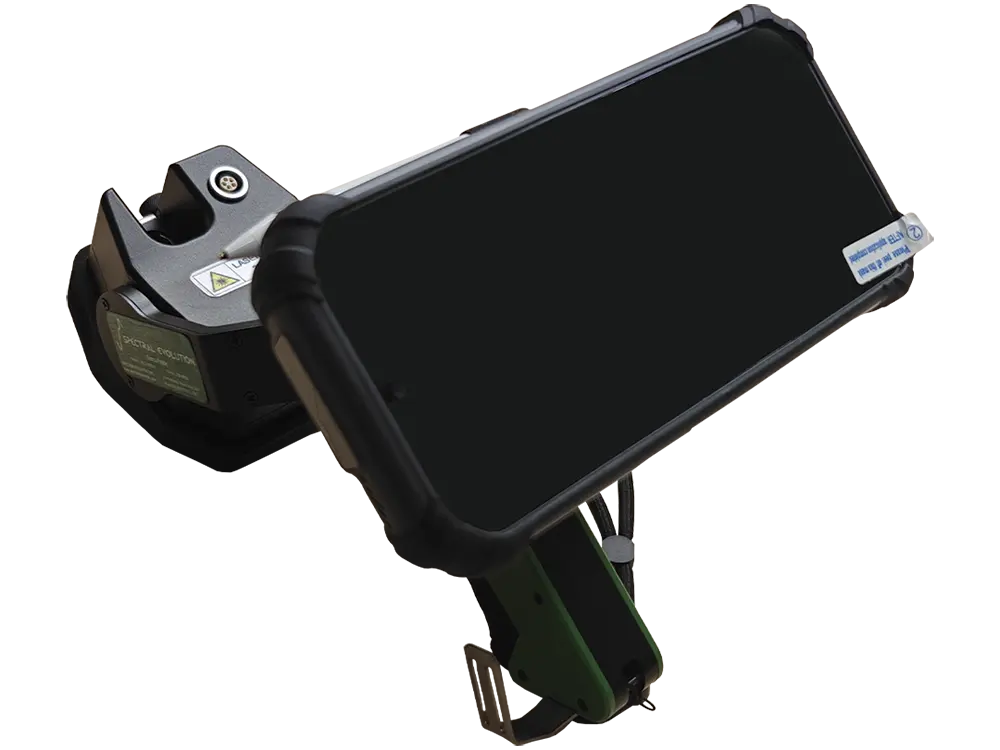
A mobile-friendly edition of Spectral Evolution’s DARWin™ data collection software presents live spectral readouts alongside a real-time video stream from the Sensaprobe’s integrated camera, supporting precise target alignment.
This workflow allows operators to verify the sensor’s field of view and accurately define target boundaries prior to initiating a scan.


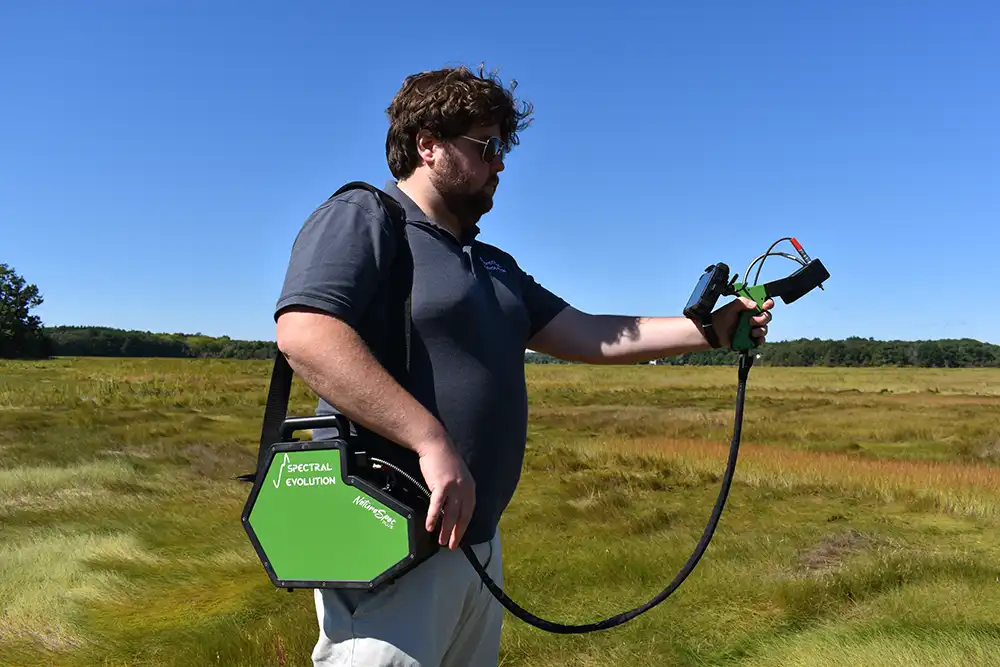
Key Applications for Sensaprobe™
- • Mineral unmixing
• Soil identification
• Vegetation studies
• Materials identification
• Microbial diversity research
Speak to PAS for expert guidance about the Spectral Evolution Sensaprobe.
Sensaprobe™ Features:
- Rapid-detach fiber-optic mounting system
- Integrated inclinometer that records tilt angle and embeds accurate orientation metadata with every scan
- Onboard camera delivering a live video stream with automated photo capture
- Laser rangefinding module for precise distance measurement and field-of-view computation
- Scan initiation via trigger control for efficient field operation
- Dedicated tablet mount enabling simplified workflow and real-time viewing of targets and scan data